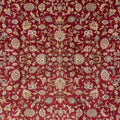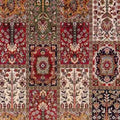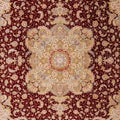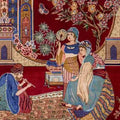

Turkish rugs are among the most influential cultural artifacts of Eastern textile heritage. Their motifs, colors, and knotting techniques reflect regional diversity, master craftsmanship, and centuries of tradition. Whether placed in a classical interior or a modern home, Turkish rugs bring warmth, depth, and enduring elegance.
Turkish Rugs at a Glance
- Handcrafted rugs from regions such as Hereke, Konya, Kayseri, and Bursa
- Design diversity: geometric, floral, pictorial — varying by region
- Colors: red, gold, blue, yellow, pastel and natural tones, often dyed with natural pigments
- Materials: premium wool, fine silk, durable cotton
- Knotting technique: the symmetrical Gördes knot as the Turkish standard
- Cultural heritage: symbolism, tradition, and family history
- Highly interesting for collectors — depending on origin, quality, and condition
Discover Our Exclusive Turkish Rugs – Explore the Collection
A Glimpse Into the History of Turkish Rugs
Rug artistry reached its height during the Ottoman Empire, when carpets were used in palaces, mosques, and private homes — as status symbols, cultural assets, and expressions of family identity. The Silk Road introduced new materials, dyes, and techniques that continue to shape the variety of Turkish rug designs today.
The Cultural Importance of Turkish Rugs
Turkish rugs are far more than decoration. They symbolize family values, tradition, and life milestones. Colors and motifs carry regional meanings — red for good fortune and prosperity, gold for wealth. Many families pass their rugs down through generations.
Designs & Patterns – A Diversity of Regional Styles
Typical design categories include:
- Geometric Patterns: clear structures, symmetry, and traditional symbolism
- Floral Motifs: stylized blossoms, nature‑inspired designs, rich color palettes
- Pictorial Scenes: depictions of folklore, mythology, or history
High‑Quality Natural Materials
- Wool: durable, warm, long‑lasting — ideal for everyday use
- Silk: luxurious, lustrous, highly detailed — common in fine Hereke rugs
- Cotton: supportive warp and weft, stable and long‑lasting
Weaving Artistry & Knot Density
The Turkish (Gördes) knot is a symmetrical knot that produces particularly strong rugs. It allows medium to high fineness and results in a dense, uniform pile.
- Premium pieces: from approx. 300,000 knots/m²
- Upper mid‑range: 100,000 – 300,000 knots/m²
- Traditional rustic pieces: under 100,000 knots/m²
Major Rug‑Making Regions of Turkey
| Region | Signature Features | Colors & Designs | Highlights |
|---|---|---|---|
| Hereke | Ultra‑fine silk rugs | Gold, pastels, delicate motifs | Highest knotting artistry, collector pieces |
| Konya | Robust, traditional | Earth tones, geometric patterns | Cultural heritage, clear designs |
| Kayseri | Traditional to modern | Red, blue, gold | Wide range of motifs and designs |
| Bursa | Fine floral motifs | Bold floral palettes | Classic weaving and knotting tradition |
Care & Preservation of Turkish Rugs
With proper care, Turkish rugs are exceptionally durable. Three essential recommendations:
- Avoid direct sunlight
- Use mild cleaning agents
- Rotate regularly
Further tips can be found in our article How Do I Properly Care for Hand‑Knotted Rugs?
Checklist: How to Identify a High‑Quality Turkish Rug
- Handmade: subtle irregularities in the pattern
- Knot density: premium quality from approx. 300,000 knots/m²
- Material: wool, silk, and a strong cotton warp
- Colors: vibrant, harmonious, often natural dyes
- Design: clear, regionally characteristic motifs
- Feel: dense and soft
- Back: pattern clearly visible
- Certificate: proof of origin from a specialist dealer
FAQ – Frequently Asked Questions About Turkish Rugs
What Makes Turkish Rugs Special?
► Their diversity of motifs, premium materials, and traditional knotting techniques.
Are Turkish Rugs Valuable?
► Rugs with clear provenance, high knot density, and natural materials can be highly desirable for collectors — depending on individual context.
How Do I Care for My Turkish Rug?
► Vacuum gently, avoid sunlight, rotate regularly. Additional tips can be found in the Rug Care Guide.
How Can I Recognize an Authentic Piece?
► Look for handmade craftsmanship, materials, knot density, design clarity, and a certificate of origin.
Conclusion
Turkish rugs are culturally significant works of art. Their diversity of knotting techniques, designs, materials, and regional traditions makes them cherished interior pieces and — depending on origin and quality — sought‑after collectibles. They unite history, craftsmanship, and aesthetics like few other textile art forms.