



What Are Sino Tabriz Oriental Rugs?
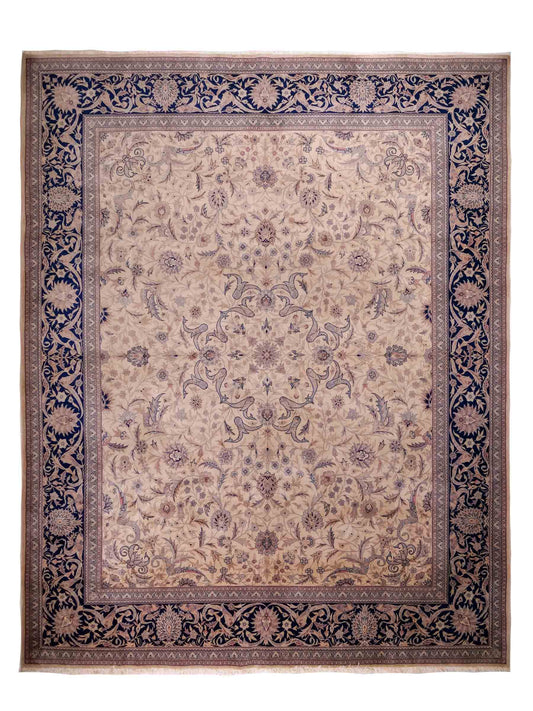
Sino Tabriz rugs are hand‑knotted masterpieces from China, produced exclusively for Khademi based on classical Tabriz originals—for collectors, connoisseurs and anyone with a passion for excellence. Distinguished by superior fineness, brilliant silk lustre, refined tonal transitions, traditional Persian motifs and unmatched line precision, these rugs reinterpret the iconic Tabriz aesthetics while offering outstanding value through exceptional Chinese craftsmanship.
The History & Origin of Sino Tabriz Rugs
The rich tradition of Tabriz rug artistry originates in the renowned Persian city of Tabriz in Iran, celebrated for its ornate medallions and masterfully detailed motifs. Chinese master weavers have embraced this tradition, merging their own legendary precision with the classical Tabriz design vocabulary. The result: luxurious Sino Tabriz rugs, intricately hand‑knotted from the finest materials. They combine the classical aesthetics of Persian originals with innovative colour concepts, technical refinement and exceptional craftsmanship. These exclusive pieces—produced for Khademi—attract international collector interest and unite the mastery of two great cultural weaving traditions.
Manufacturing Process – Chinese Perfection Meets Persian Tradition
1.) Selecting & Dyeing Premium Materials:
The making of a Sino Tabriz rug begins with carefully selected high‑quality sheep’s wool and pure natural silk—the foundation for sheen, durability and a soft, luxurious texture. The fibres are hand‑spun and refined through both traditional and modern cleaning methods. Particular emphasis is placed on dyeing: small‑batch processes using plant‑based pigments or advanced techniques create harmonious, lightfast tones and the characteristic silk‑like luminosity of these rugs.
2.) Precision Knotting in the Persian Tradition:
The heart of every Sino Tabriz rug is meticulous hand‑knotting on large vertical looms. Skilled artisans work with high Raj counts—often exceeding 60 Raj—resulting in exceptionally dense, precise rugs. The motifs follow the classic Persian Tabriz tradition: grand medallions, elegant floral scrolls, lush allover compositions, garden and palmette themes, and elaborately rendered vase and figurative scenes. Each rug becomes a character‑rich original that reinterprets Persian design heritage with virtuosity.
3.) Exquisite Finishing & Final Quality Control:
Following the knotting process, each rug is gently washed, stretched and hand‑sheared with precision, enhancing depth and clarity in every motif. Edges are reinforced with expert finishing techniques for durability and visual harmony. Finally, every rug undergoes strict inspection and is admitted into JUPITER Intl’s exclusive Sino Tabriz collection only if it meets the highest standards—true masterpieces of Chinese precision built upon Persian artistry.
What Does “Raj” Mean in Sino Tabriz Rugs? How Is Raj Calculated?
Raj indicates the fineness and knot density of a Tabriz‑style Oriental rug—an essential quality benchmark, especially for Tabriz and Sino Tabriz weaving. To determine the Raj value, the number of knot pairs along 7 cm on the back of the rug is counted. Sino Tabriz rugs typically range between 40 and 80 Raj, often surpassing many classical Persian Tabriz levels. This translates to well over 500,000 knots per square metre, enabling exceptional pattern precision, crisp contours and a refined, velvety surface.
The higher the Raj number, the finer and more luxurious the rug appears. A high Raj value is therefore a strong indicator of top‑tier craftsmanship, artistic detail and the ability to execute even the most complex designs with absolute accuracy.
Design Variety & Colour Selection in Sino Tabriz Rugs
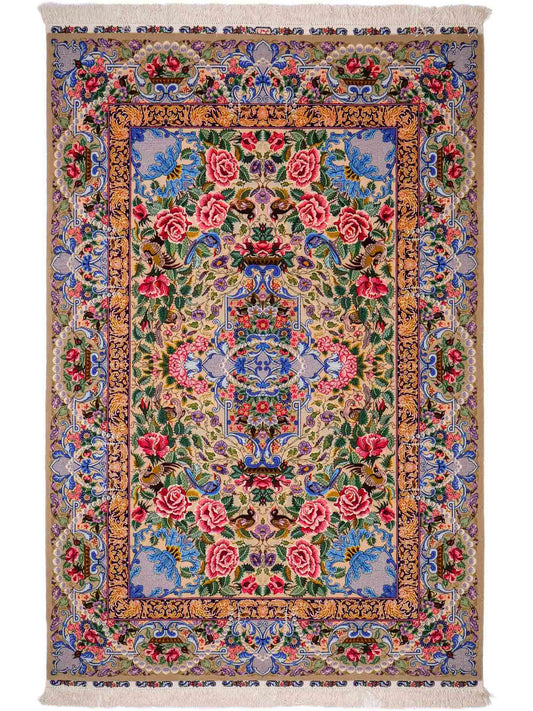
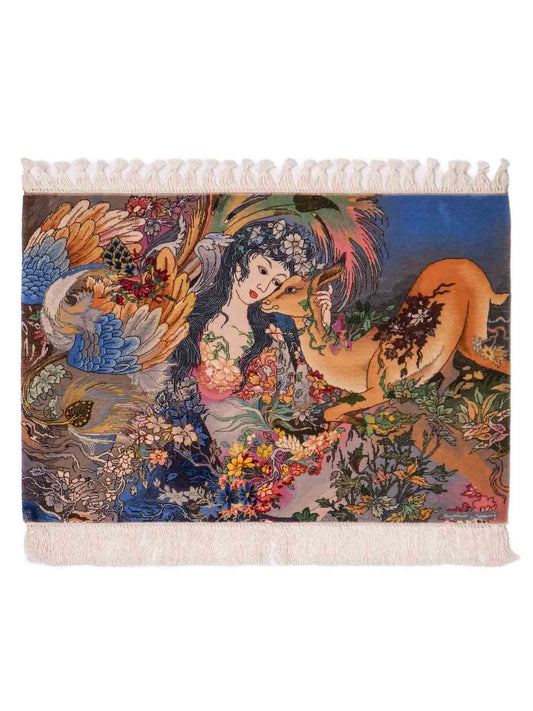
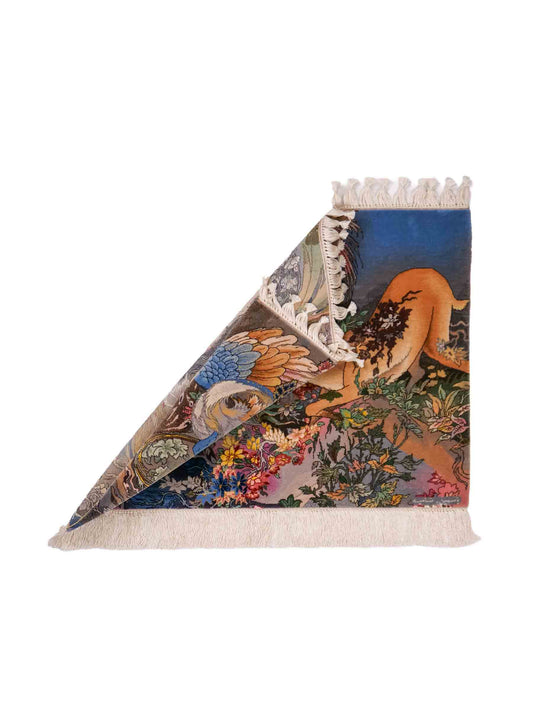
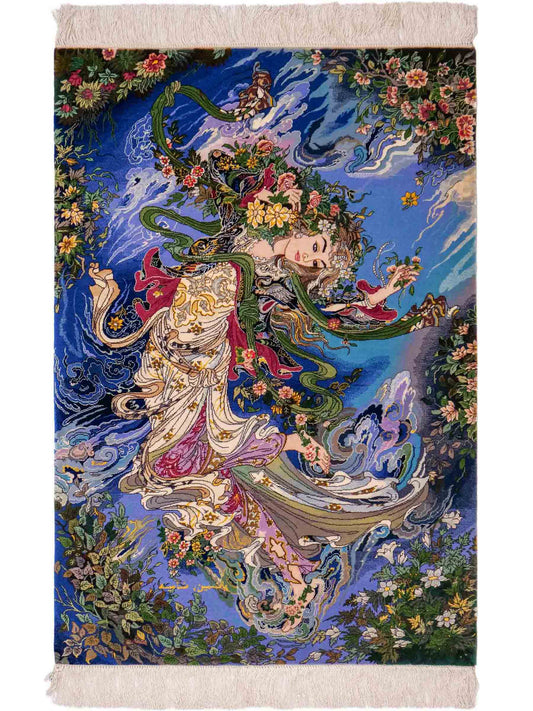
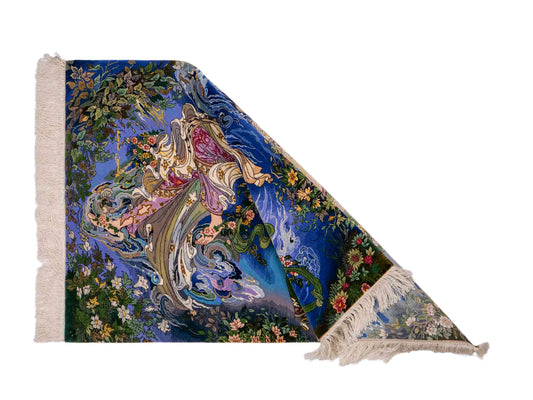
The motif vocabulary and colour palettes of Sino Tabriz rugs are impressive, making each rug a miniature masterpiece. Common elements include intricately designed Tabriz medallions—either centred or used within refined allover arrangements. Fine borders with arabesques, palmettes and classical ornaments add depth and elegance. Many pieces also feature tableau designs with Persian garden scenes, expansive landscapes, miniature artistry or detailed figurative depictions.
The colour spectrum ranges from modern pastels and soft cream or ivory hues to harmonised gold, turquoise, red and green tones or deep, saturated blues. This versatility enables Sino Tabriz rugs to complement both traditional and contemporary interiors with equal sophistication.
What unites all Sino Tabriz rugs is their extraordinary attention to detail: flawless linework, symmetrical patterns and, in many cases, artist signatures—making them prized highlights for collectors of high‑end Oriental rugs.
Finding the Right Size: The Perfect Unique Piece for Every Room
The perfect size elevates the full impact of a Sino Tabriz rug. Exquisitely detailed smaller rugs—60×40 cm or 90×60 cm—serve beautifully as accent pieces, in compact rooms or as exceptional wall hangings. Medium formats bring refined presence to reading corners, home offices or quieter zones, showcasing their patterns with elegance.
For spacious living or representative interiors, majestic formats—from 250×250 cm to 300×200 cm, 350×250 cm or an impressive 400×300 cm—create a stunning centrepiece, balancing craftsmanship and interior design. Long runners (e.g., 250×70 cm or 300×80 cm) are ideal for hallways, galleries or libraries, adding movement and ornate refinement.
Many Sino Tabriz tableau rugs also unfold their full artistic presence as wall art. Carefully illuminated and positioned, they become true exhibition pieces—staging pattern, colour and craftsmanship with timeless effect.
For more guidance on selecting the right rug size, explore our rug size guide.
Styling & Interior Tips: Choosing the Ideal Sino Tabriz for Your Home
Sino Tabriz rugs integrate beautifully into many interior styles. They pair especially well with modern luxury furnishings, minimalist designs and bright, open spaces where their intricate artistry plays with natural light. Materials such as gold accents, fine marble or soft velvet underscore their exclusive character and elevate the room with a sense of refined elegance.
They also harmonise effortlessly with select antiques or contemporary design pieces: whether used as a contrast or a complementary element, they highlight the individuality of your décor. Layering—combining them with monochrome rugs or natural textures—further enhances the fine Tabriz detailing, adding depth and modern warmth.
Larger, artfully knotted Sino Tabriz rugs can be showcased on walls like true exhibition pieces, allowing their ornamental beauty to take centre stage. For the best effect, place your rug centrally and use targeted lighting to draw out its contours and craftsmanship—transforming it into the focal point of a sophisticated home.
Comparison Table: Provenance, Knot Density & Fineness Grades of Tabriz Rugs
| Provenance / Type | Material | Knot Density | Quality Grade | Key Features |
|---|---|---|---|---|
| Tabriz up to 30 Raj (Iran/Persia, India) | High‑quality wool, some silk | 200,000–400,000 knots/m² | Standard to fine | Durable, signature patterns, excellent entry‑level choice |
| Tabriz 40–50 Raj (Iran/Persia, China, India) | Wool with silk highlights | 400,000–600,000 knots/m² | Fine to very fine | Refined outlines, balanced patterns, premium quality |
| Tabriz 60–70 Raj (Iran/Persia, China) | Cork wool with high silk content | 600,000–900,000 knots/m² | Very fine to super fine | Extraordinary detail, ornament richness, luxury craftsmanship |
| Tabriz 80–90 Raj (Iran/Persia, China) | Finest cork wool and natural silk | 900,000–1,200,000+ knots/m² | Super fine to ultra fine | Rarities, art‑grade craftsmanship, extremely fine knotting |
| Signed Tabriz Rugs (Iran/Persia, China) | Finest cork wool and natural silk | 400,000–1,200,000+ knots/m² | Fine to ultra fine | Master signatures, atelier pieces, superior collector value |
| Tabriz Art Pictorial Rugs (Iran/Persia, China) | Finest cork wool and natural silk | 300,000–1,200,000+ knots/m² | Fine to ultra fine | Pictorial masterpieces with artwork‑level detail |
| Sino Tabriz Oriental Rugs (China) | Finest wool with high silk content | 300,000–900,000+ knots/m² | Fine to super fine | Exceptional workmanship, outstanding value in the luxury segment |
| Indo Tabriz Oriental Rugs (India) | Fine wool, sometimes with viscose | 100,000–500,000 knots/m² | Coarse to fine | Quality craftsmanship, durable and authentic patterns |
| Tabriz Mahi Persian & Oriental Rugs (Iran/Persia, India) | High‑quality wool, some silk accents | 100,000–600,000 knots/m² | Coarse to very fine | Iconic “Mahi” fish motif—timeless and globally admired |
FAQ – Frequently Asked Questions about Sino Tabriz Rugs
How does a Sino Tabriz differ from a Persian “original”?
Sino Tabriz rugs are crafted in China following the tradition of Persian Tabriz weaving—often with outstanding precision and, at times, even higher knot density. They stand out through modern dye techniques, precise edge finishing and exceptional hand craftsmanship. In design, quality and artistry they rival Persian originals and are considered premium alternatives on the international market.
What Raj counts are typical for Sino Tabriz rugs?
Sino Tabriz rugs typically range between 40 and 80 Raj, and occasionally even higher. This makes them particularly fine and densely knotted—ideal for executing highly complex and detailed patterns with precision.
How do Sino Tabriz rugs appear within a room?
Sino Tabriz rugs, with their luminous motifs and luxurious sheen, bring dynamic vibrancy to any space. They create decorative focal points—whether in a classic salon, a modern lounge, a library or displayed as gallery‑style wall art. Their presence lends elegance, depth and individuality to the interior aesthetic.
How should I care for a Sino Tabriz rug?
Vacuum your rug regularly and gently (dry only), avoid moisture and prolonged direct sunlight. For deep cleaning, always consult a professional cleaning specialist. Learn more about rug care.
Are Sino Tabriz rugs suitable for everyday use?
Absolutely—thanks to their high knot density, premium materials and refined handcraftsmanship, Sino Tabriz rugs are exceptionally durable. They combine the beauty of an art piece with the longevity of a premium everyday rug—perfect for regular use.
Are Chinese Tabriz rugs valuable?
Yes—hand‑knotted Sino Tabriz rugs with high knot density and premium wool‑silk blends are highly valued and sought after. Collectors often consider them superior to many mass‑produced Iranian rugs due to their craftsmanship, rarity and precision. Learn more about value retention.
Will I receive a certificate of authenticity with every Sino Tabriz rug?
Yes—every handmade rug purchased from JUPITER Intl comes with a certificate detailing provenance and materials. Learn more about our certificate of authenticity.
Quality, Price & Service by JUPITER Intl
- Each Sino Tabriz rug is a hand‑knotted one‑of‑a‑kind, carefully selected for workmanship, quality and design
- Transparent provenance: all handmade rugs include a certificate of authenticity
- Fair prices directly from Khademi—no intermediaries or misleading “retail prices”
- A wide selection: from exclusive Qom silk rugs and exquisite Nain Persian rugs to modern Ziegler rugs, handwoven kilims and premium machine‑woven pieces
- Personal consultation regarding provenance, size, materials and styling needs
- Secure payment, 31‑day return policy and free returns for your complete satisfaction
Personal Consultation at JUPITER Intl
Looking for the perfect Sino Tabriz rug—a specific provenance, size or design? Our experienced team is ready to support you, from expert styling advice to sourcing rare pieces. Contact us by phone or email, or combine your visit with a tour of our showroom in Hamburg’s UNESCO World Heritage Speicherstadt—experience history and craftsmanship up close!
More Information & Links
- Design Classic: Tabriz Rugs
- Countries of Origin: China – Expression of a Rich Culture
- Carpet Guide: How Do I Properly Care for Hand-Knotted Rugs?
- Carpet Guide: What to Consider When Choosing Rug Size
- Carpet Guide: How to Identify Hand-Knotted Rugs
- Carpet Guide: How to Calculate the Knot Density of a Rug
- Carpet Guide: Differences Between Rug Knot Types
- Carpet Guide: How Sustainable Are Hand-Knotted Rugs?
- Carpet Guide: Are Hand-Knotted Rugs a Good Investment?
- Certificate of Authenticity: Your Guarantee for Quality and Authenticity