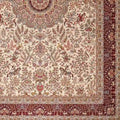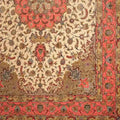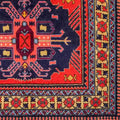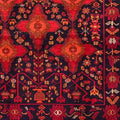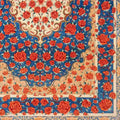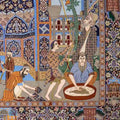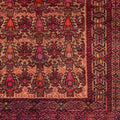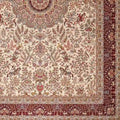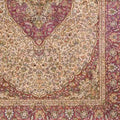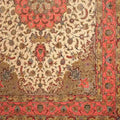

Hand‑knotted rugs are often valued as long‑lasting cultural objects and can — depending on provenance, condition and market demand — also hold collector appeal. Anyone aiming for long‑term value retention should pay careful attention to key indicators. This guide explains which characteristics influence value development and how to preserve your rug’s potential over time.
Factors Influencing Value Development
1. Quality of Materials & Knot Density
Rugs made from high‑quality natural fibers such as pure wool or silk are particularly durable, resilient and often maintain stable resale values. Another important criterion is knot density: the finer and denser a rug is knotted, the more labor‑intensive its production and the greater its potential value.
2. Craftsmanship
Traditional knotting techniques, clear motifs and precise execution elevate the quality and can positively influence value retention. Provenances with established weaving workshops are frequently regarded as indicators of craftsmanship.
3. Rarity & Exclusivity
Rare motifs, limited editions or one‑of‑a‑kind pieces are especially appealing to collectors. Unique characteristics — such as uncommon color variations or distinctive tribal structures — can enhance demand.
4. Provenance & Design
Highly sought‑after provenances include Qom, Isfahan and Tabriz, as well as artistic pieces from Afghanistan or China. Rare designs or iconic motifs can further elevate demand. Learn more in our Design Classics Blog or our Countries of Origin Blog.
5. Care, Condition & Preservation
A rug’s condition is one of the strongest value factors. Light protection, gentle care, periodic rotation and professional cleaning can preserve its condition for decades. Practical care tips can be found here.
6. Market Trends & Demand
The market for hand‑knotted rugs is dynamic. In recent years, demand has increased for sustainable, handcrafted and stylistically unique designs. Trend knowledge and active market observation help support informed decisions. Guidance is available in our Carpet Guide.
Checklist: How to Identify Rugs With Strong Value Retention
- High‑quality natural materials (wool or silk)
- High knot density
- Traditional provenance with documented origin
- Limited patterns or rare designs
- Certificates & verifiable provenance
- Excellent condition and professional care
- Current demand & market trends
FAQ – Value Retention & Investment
How Can I Preserve My Rug’s Value?
► Maintain your rug regularly, avoid moisture, direct sunlight and heavy furniture, and rely on professional cleaning when needed.
Which Types of Rugs Are Suitable as Investments?
► Hand‑knotted rugs from reputable provenances with high knot density or rare motifs may be of collector interest — depending on individual context.
Does Every Hand‑Knotted Rug Increase in Value?
► No. Value development occurs only in pieces with clear provenance, good condition and sufficient demand.
How Is a Rug’s Value Determined?
► Age, provenance, condition, knot density, materials and market demand are key determining factors. A professional appraisal offers additional certainty.
Summary
Hand‑knotted rugs have long been admired as expressions of artisanal mastery and cultural identity. Their value development depends on provenance, knot density, design, rarity, condition and market interest. A thoughtfully selected and well‑maintained piece can bring joy for generations while preserving cultural significance.
Explore our selection of exclusive hand‑knotted rugs and be inspired by material quality, tradition and diversity. We are happy to advise you personally — expertly and without obligation.