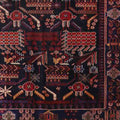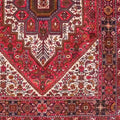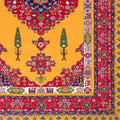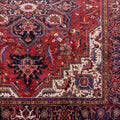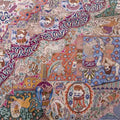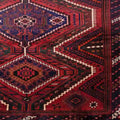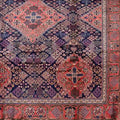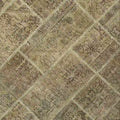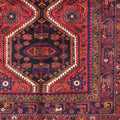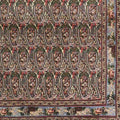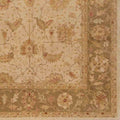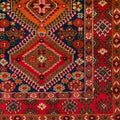

Kilim rugs are among the oldest textile expressions of the Middle East and Central Asia. Their clear flatweave structure, geometric patterns and vivid compositions make them timeless interior textiles — versatile, lightweight, artisanal, and deeply rooted in regional culture. This guide offers a comprehensive overview of origin, weave techniques, symbolism, design variety and care.
Kilims: Key Facts at a Glance
- Origin: Central Asia, Anatolia, Iran, the Caucasus, Morocco, Afghanistan, Pakistan, India
- Material: wool, cotton, rarely silk; natural dyes
- Technique: hand‑woven flatweave without pile
- Motifs: geometric, tribal, stylised plants & animals
- Colors: red, indigo, earth tones, green, orange, yellow
- Special Features: reversible, lightweight, foldable, highly versatile
Discover Handmade Kilims – View the Collection
Origin & History
Kilim weaving belongs to the oldest textile arts worldwide. Nomadic groups in Anatolia, Persia, Central Asia and the Caucasus used kilims as floor coverings, wall hangings, saddle blankets or throws. Their spread along historic trade routes led to numerous regional styles that today form an important part of cultural heritage.
Symbolism & Cultural Value
Many kilim motifs carry symbolic meaning — protective signs, fertility symbols or tree‑of‑life variations. They often reflect cultural narratives or personal life stages of the weaver. Each kilim represents an individual artistic and cultural expression.
Manufacturing Process
- Material Selection: natural wool, cotton, occasionally silk
- Spinning & Dyeing: plant dyes such as indigo, madder and walnut
- Weaving: flatweave on horizontal or vertical looms
- Pattern Development: geometric compositions, planned or improvised
- Finishing: edging, washing, trimming
Regional Variants
- Anatolian Kilims: bold colors, tribal patterns, rhombuses
- Caucasian Kilims: clear lines, zigzag motifs, vegetal ornaments
- Persian Kilims: symbolic motifs, medallions, floral tendrils
- Central Asian Kilims: richly colored, dense ornamentation
- Moroccan Kilims: warm tones, simple geometries
Designs, Motifs & Colors
- Geometry: rhombuses, triangles, stripes, medallions
- Flora & Fauna: stylized natural motifs
- Colors: plant‑dyed tones from red and indigo to orange and green
- Symbolism: protective signs, good‑luck symbols, family motifs
Handmade vs. Machine‑Made Kilims
Machine‑made kilims are more affordable but cannot match the precision, expressiveness or durability of hand‑woven pieces. Handmade kilims support local weaving traditions and are considered a sustainable choice — each one a unique original.
Checklist: How to Identify Authentic Kilims
- nearly identical pattern on both sides
- natural dyes with a matte finish
- firm selvedges & hand‑finished edges
- distinctive handwoven feel & refined textile structure
- lightweight, highly flexible construction
- unique character with subtle irregularities
Practical Selection Tips
- Size: match proportions to the room and furnishings
- Color Harmony: coordinate with wall and furniture colors
- Use Cases: floor rugs, wall hangings, sofa throws, bench cushions
- Spatial Effect: geometric patterns add structure and definition
Home Ideas: Kilims in Interior Design
- Boho & Ethno Style: warm tones and rich texture
- Minimalist Interiors: kilim as a vibrant accent
- Scandi & Japandi: subtle kilims paired with natural materials
- Bedrooms & Hallways: runners or bedside pieces
- Multifunctional: use as throws or wall textiles
Request Personal Advice – Contact
Care
- vacuum gently, no rotating brushes
- blot stains carefully, never rub
- avoid direct sunlight; rotate occasionally
- professional cleaning as needed
Learn more in the Rug Care Guide.
FAQ – Kilim Rugs
What Distinguishes a Kilim from a Classic Oriental Rug?
► Kilims are flat‑woven — not knotted. They have no pile, are reversible, lighter and feature instantly legible patterns.
Are Kilims Suitable for Daily Use?
► Yes. High‑quality kilims are robust, flexible and ideal for everyday living — even in homes with children or pets.
How Should Kilims Be Cared For?
► Vacuum gently, avoid direct sunlight, treat stains with care and rotate occasionally. Professional cleaning is recommended.
How Can I Identify Quality?
► By natural materials, clean edges, fine weave tension, harmonious colors and subtle irregularities inherent to handwork.
Are Kilims of Interest to Collectors?
► Yes — especially older pieces from Anatolia, Persia or the Caucasus, valued for their rarity and motifs.
Conclusion
Kilim rugs unite millennia‑old flatweave traditions with contemporary interior aesthetics. Lightweight, versatile and culturally significant, they stand out through their unmistakable ornamental clarity. Whether used as floor textiles, wall art or decorative accents — a kilim always makes a conscious, artisan statement.
Discover Handmade Kilims – View the Collection