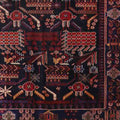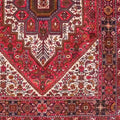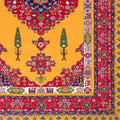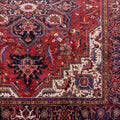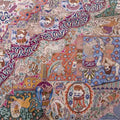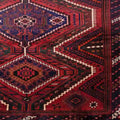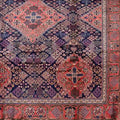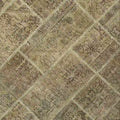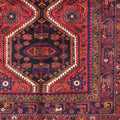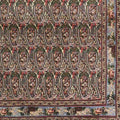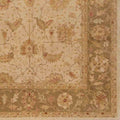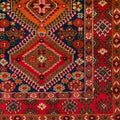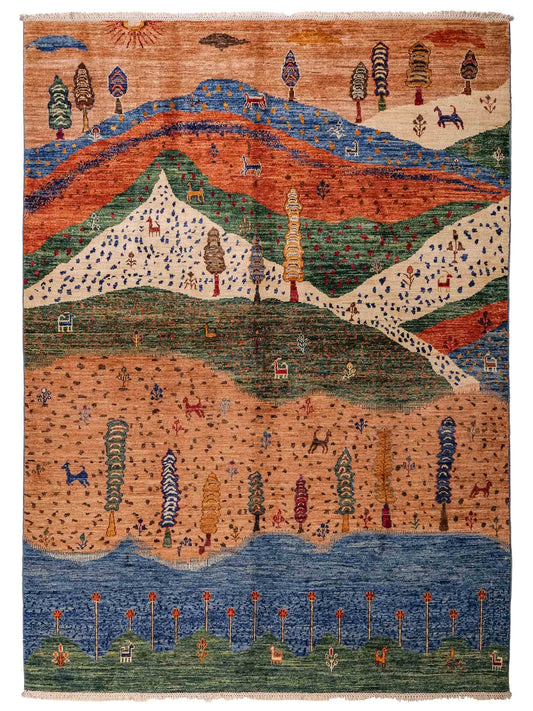

Arijana rugs represent one of the newer yet skillfully crafted rug traditions rooted in the Central Asian heritage of Afghanistan. They combine classical nomadic aesthetics with contemporary design and particularly harmonious color palettes. Each rug is entirely handmade and bears the personal signature of experienced artisans.
Arijana Rugs: Key Facts at a Glance
- Origin: Afghanistan, regions with strong nomadic heritage
- Materials: highland wool, natural dyes, cotton warp
- Design: floral and geometric motifs, sometimes with stonewash finish
- Knotting: approx. 120,000–350,000 knots/m²
- Character: modern‑oriental, calm colors, fine textures
- Care: durable and long‑lasting with gentle maintenance
Discover Arijana rugs – view the collection
Origin, History & Cultural Significance of Arijana Rugs
Arijana rugs originate mainly from Afghanistan’s highland regions, where nomadic cultures have preserved textile traditions for centuries. Their designs reference natural elements, animal motifs, tribal symbolism, and ornamental patterns with deep historical roots. Many carry meaning tied to regional myths and ancient rituals.
International recognition grew as modern color compositions and sustainable production methods came into focus. Today, Arijana rugs are regarded as contemporary developments of traditional Afghan weaving art.
Craftsmanship & Sustainability
The creation of an Arijana rug begins with hand‑spun highland wool. Natural dyes from plants and minerals produce soft, harmonious tonalities.
Artisanal Production
- Knot‑by‑knot work on traditional looms
- Knot densities between 120,000–350,000 knots/m²
- Precisely trimmed pile height
- Multiple washes for a soft, refined texture
- Optional stonewash or antique finish
Sustainable Production
Many workshops work with local raw materials, fair wages, and entirely manual processes. Rug production provides essential cultural and economic stability in rural regions.
More insights on sustainability: How Sustainable Are Hand‑Knotted Rugs?
Style, Designs & Color Worlds of Arijana Rugs
Arijana rugs display an impressive stylistic range:
- delicate floral motifs
- structured geometric ornamentation
- modern natural abstractions
Their color palettes include soft earth tones, natural hues, and calm shades of blue, green, and red. Stonewash finishes create a subtle vintage appearance.
Interior Ideas & Applications
Arijana rugs integrate beautifully into diverse interior concepts:
- Bohemian: lively accents with organic motif structures
- Industrial: expressive contrast to metal and concrete
- Minimalist: warm, calm presence in clean interiors
- Country style: harmonious pairing with natural materials
Oriental Rugs in Comparison: Afghan – Arijana – Ziegler
| Criterion | Afghan | Arijana | Ziegler |
|---|---|---|---|
| Origin | Afghanistan | Afghanistan | Iran (historically), today Afghanistan & Pakistan |
| Materials | Wool with cotton warp | Wool with cotton warp | Wool with cotton warp |
| Knot density | 100,000–300,000 knots/m² | 120,000–350,000 knots/m² | 200,000–400,000 knots/m² |
| Design | Geometric, tribal, figural | Floral/geometric motifs, modern adaptations | Medallions, allover, antique look |
| Colors | Red, blue, earth tones | Cream, beige, green, red, earth tones | Sand, red, pastels, greige |
| Character | Powerful, traditional | Modern‑oriental, harmonious | Elegant, vintage‑inspired |
Checklist: How to Identify Genuine Arijana Rugs
- Hand‑spun highland wool
- Natural dyes with soft, matte tones
- 120,000–350,000 knots/m²
- Typical stonewash or antique surface finishes
- Visible pattern on the reverse side
- Certificate of authenticity recommended
Care & Maintenance
- Vacuum gently on a regular basis
- Treat spills immediately with a soft cloth
- Avoid direct sunlight
- Professional cleaning every 1–2 years
More tips: How Do I Properly Care for Hand‑Knotted Rugs?
FAQ – Arijana Rugs
What Makes Arijana Rugs Special?
► Their artisanal precision, natural materials, and harmoniously balanced designs reinterpret traditional motifs in a contemporary way.
How Can I Recognize Genuine Arijana Rugs?
► Through hand‑spun wool, defined knot structure, stonewash finishes, and visible patterning on the back.
Do Arijana Rugs Suit Modern Interiors?
► Yes. They are ideal for minimalist, industrial, and naturally calm living environments.
How Should Arijana Rugs Be Cared For?
► With gentle vacuuming, protection from direct sunlight, and occasional professional cleaning.
Conclusion
Arijana rugs unite modern clarity with traditional nomadic aesthetics. Their natural colors, precise knotting, and characteristic surface textures make them versatile design pieces that complement both classic and contemporary interiors. They represent high‑quality examples of Central Asian textile art and demonstrate how historic craftsmanship can be reinterpreted for modern interior design.
Explore our variety of Arijana rugs.