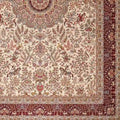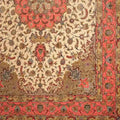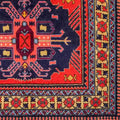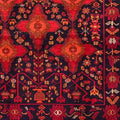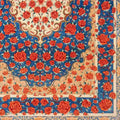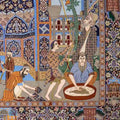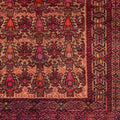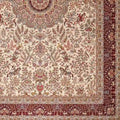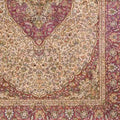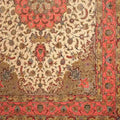

Hand‑knotted rugs are far more than decorative furnishings — they are artisanal originals that bring warmth, character and timeless elegance to any interior. What sets them apart is the combination of skilled craftsmanship, natural materials and individual detail. But how can you be certain a rug is truly hand‑knotted? This guide explains the most important quality markers, distinguishing features and practical tips for buying an authentic handmade rug.
Key Characteristics of Hand‑Knotted Rugs
1. Knotting Technique & Rug Back
In hand‑knotted rugs, the pattern is created knot by knot — clearly visible on the back. Small irregularities in size and arrangement are typical and a hallmark of genuine handwork. Machine‑made rugs, by contrast, show a highly uniform and almost perfect appearance on the reverse. Learn more about knotting techniques here.
2. Fringe Construction
Fringes on authentic hand‑knotted rugs are not sewn on — they are part of the warp threads and thus integral to the rug’s structure. Machine‑made rugs frequently use attached fringes, which is a clear indicator during authenticity checks.
3. Material Quality
Hand‑knotted rugs are typically made from natural materials such as wool, cotton or silk. These provide durability, tactile quality and a natural finish. Synthetic fibers, common in machine‑made rugs, tend to age faster and feel less refined. More on materials can be found in our Carpet Materials blog.
4. Back Structure & Pattern Definition
The back of a hand‑knotted rug reveals the pattern — slightly mirrored and open. Individual knots are clearly visible. Machine‑made rugs often have a textile backing that obscures knots and structure.
5. Price, Origin & Certificates
Due to the time‑intensive process and high‑quality materials, hand‑knotted rugs are more expensive than machine‑made alternatives. Always request provenance documentation — especially for rugs from renowned regions such as Iran, Afghanistan, India or China. At JUPITER Intl, every hand‑crafted rug includes a Certificate of Authenticity.
6. Design, Patterns & Individuality
Authentic hand‑knotted rugs show natural variation — slight differences in the knot pattern, dye application or symmetry are common. Perfect repetition is typical of machine‑made rugs. Extensive information on designs and patterns can be found in our Design Classics blog.
Checklist: How to Identify a Genuine Hand‑Knotted Rug
- Visible, slightly irregular knot structure on the reverse
- Fringes integrated into the warp threads
- Natural materials such as wool, silk or cotton
- Clear provenance & certificate
- Complex, subtly varied patterns
- Higher price than comparable machine‑made rugs
Frequently Asked Questions (FAQ)
How Can I Recognize Machine‑Made Rugs?
► Machine‑made rugs typically have a very uniform reverse side and often feature sewn‑on fringes. They are frequently made from synthetic fibers and are noticeably more affordable.
Which Rugs Are Considered Especially Valuable?
► Hand‑knotted rugs crafted from high‑quality natural materials, with high knot density and clear provenance, are often sought after by collectors — depending on the market.
Why Is Knot Density Important?
► The finer the knot density, the more detailed and precise the motifs can be. This is a key indicator of craftsmanship. Learn more about knot density here.
What Should I Do If I’m Unsure?
► Consult a certified dealer or request a professional appraisal. You’ll find helpful articles in our Carpet Guide.
Summary
Identifying a genuine hand‑knotted rug becomes easy with the right checklist. Pay attention to knotting technique, materials, the reverse structure and provenance to make an informed decision — and to invest in an authentic, long‑lasting original.