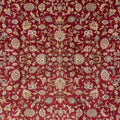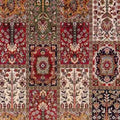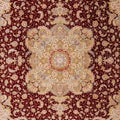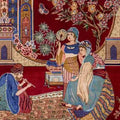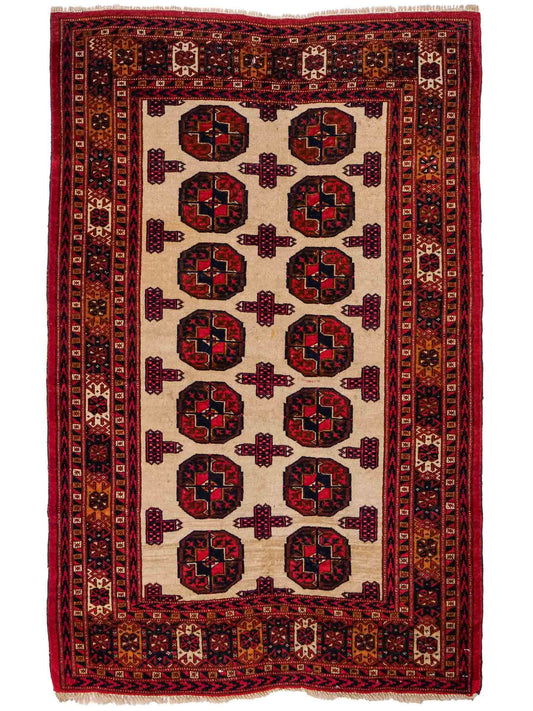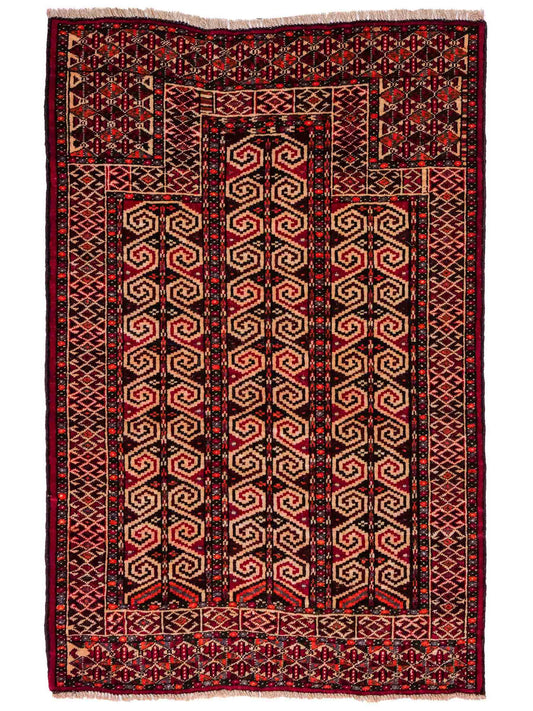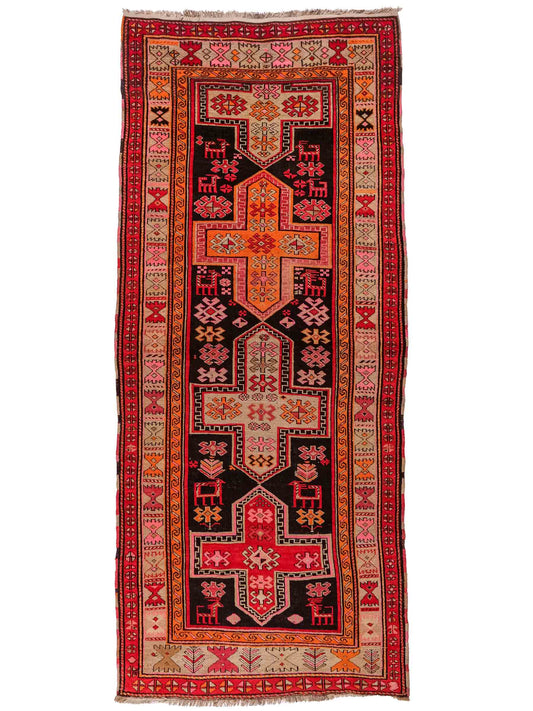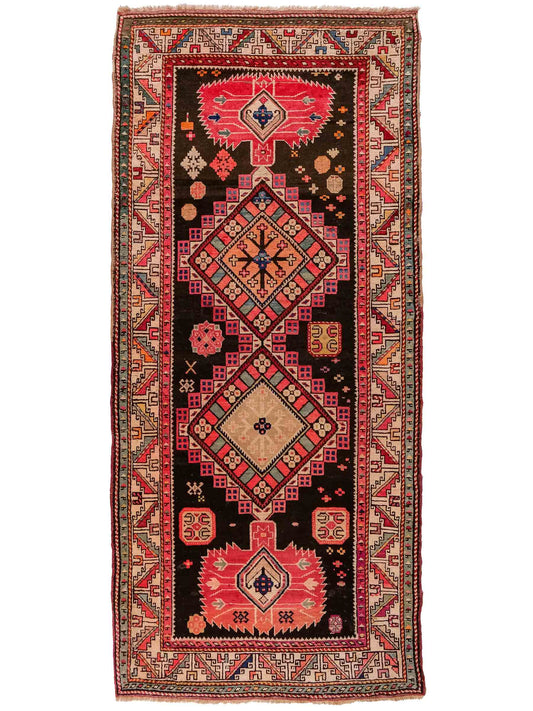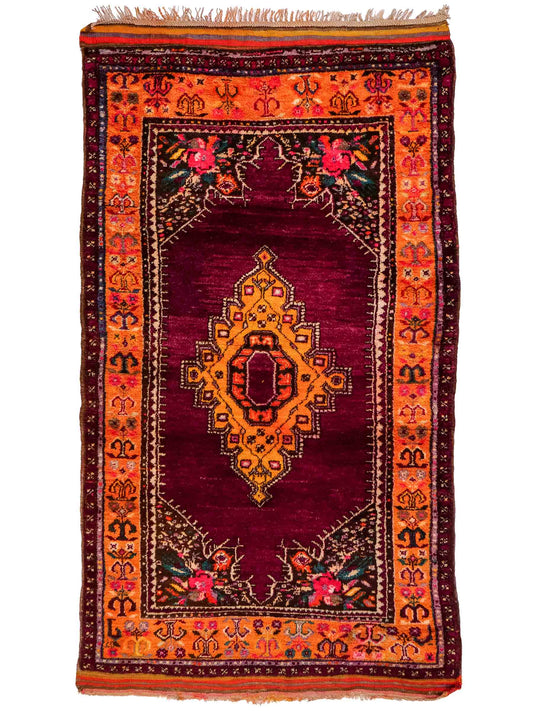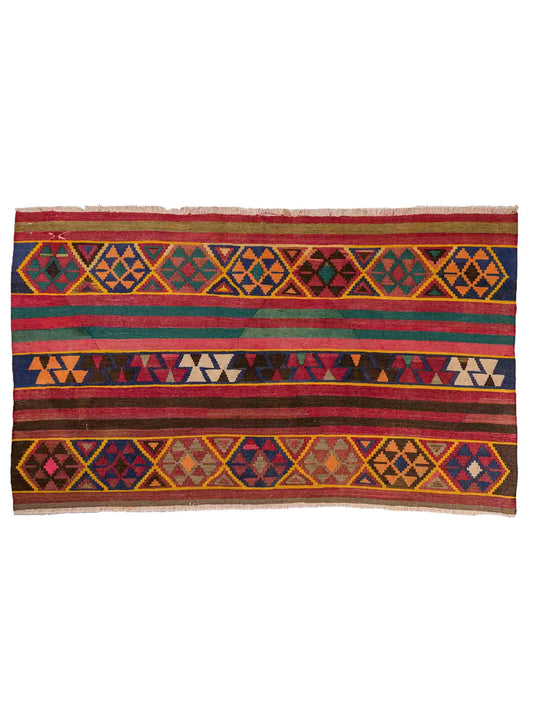

Caucasian rugs are among the most characterful traditions of Oriental textile art. Their patterns, colors and proportions reflect the cultural diversity of the region — from the mountain valleys of Dagestan to Armenia and Azerbaijan. This article explains how to identify authentic Caucasian rugs and why they continue to hold a special place in collections and interiors.
Caucasian Rugs: Key Facts at a Glance
- Hand‑knotted originals: each region maintains its own pattern traditions.
- Source regions: Dagestan, Kazak, Karabakh, Kuba and Shirvan.
- Materials: predominantly hand‑spun wool, often naturally dyed.
- Motifs: geometric, vivid, symbolic.
- Knot density: typically 120,000–300,000 knots/m².
- Cultural significance: expressions of regional identity and longstanding craftsmanship.
- Care: durable with gentle treatment.
Discover Our Caucasian Rugs – View the Collection
Origin & Geographic Diversity
The Caucasus bridges Europe and Asia and is considered one of the most culturally diverse regions of the world. Its landscape — high mountains, plains and border zones — shapes the materials, colors and motifs of local rugs. Armenia, Georgia, Azerbaijan and parts of Dagestan form the historical core area.
Regional wool quality, climate, and access to plants for natural dyes influence traditional color palettes and pattern languages. These local conditions continue to define the unmistakable aesthetics of Caucasian rugs.
From Antiquity to Today – History & Significance
The rug‑weaving tradition in the Caucasus dates back to antiquity and evolved from everyday needs, religious customs and social practices. Especially valuable pieces were crafted for festivities, rites of passage or as gifts.
Rugs made prior to the stylistic shifts of the 1930s are often categorized into five main groups: Dagestan, Kazak, Karabakh, Kuba and Shirvan. They are regarded as cultural artifacts of historical lifeworlds and are prized for their craftsmanship and striking clarity of design.
Designs, Motifs & Colors of Caucasian Rugs
Caucasian rugs are known for their bold geometric language. Many designs combine strict forms with subtle organic accents. Typical motifs include stylized animals, plants and abstract symbols referencing regional narratives and cosmology.
The palette includes luminous natural tones such as red, blue, ochre and green. Traditional dyeing techniques give the colors a matte depth that becomes even richer over time.
Natural Materials & Traditional Craftsmanship
Classic Caucasian rugs consist mainly of hand‑spun wool dyed with natural pigments. The slight irregularity of hand‑spun fibers creates a distinctive surface texture. Industrial wool is also used today, but high‑quality pieces still rely on traditional methods, producing nuanced and lively coloration.
Knotting Art & Knot Density
Weaving traditions in the Caucasus are closely tied to local communities. Many rugs are produced through traditional household craftsmanship, often involving multiple generations. Motifs and fineness vary regionally — sometimes even between neighboring villages.
Typical knot densities range from 120,000 to 300,000 knots/m². Older pieces can exhibit far finer structures. These distinctions make Caucasian rugs not only functional textiles but also historically significant works.
Key Rug‑Producing Regions
| Region | Signature Features | Colors & Designs | Characteristics |
|---|---|---|---|
| Dagestan | Geometric, finely articulated | Earth tones, red, blue | High detail depth, precise motifs |
| Kazak | Powerful, large‑scale | Strong contrasts | Distinct symbols, bold compositions |
| Karabakh | Ornate, playful | Pink, violet, red | Complex borders, vivid patterns |
| Kuba | Lively, sharply structured | Blue, white, multicolor | Fresh, modern impression |
| Shirvan | Elegant, refined | Harmonious tones, pastels | Blend of multiple regional influences |