









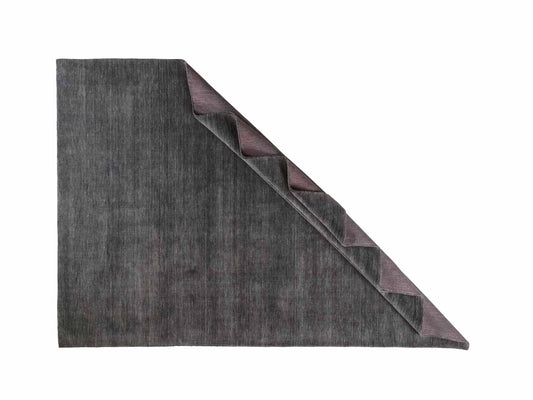


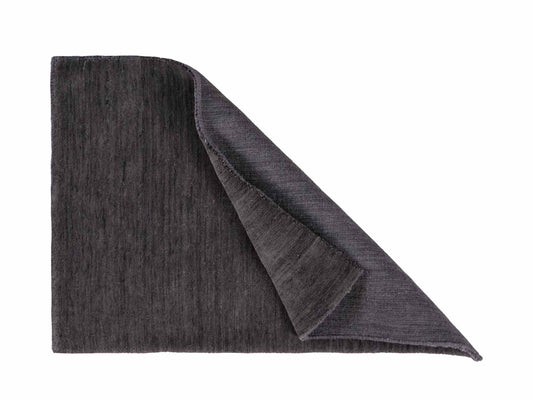



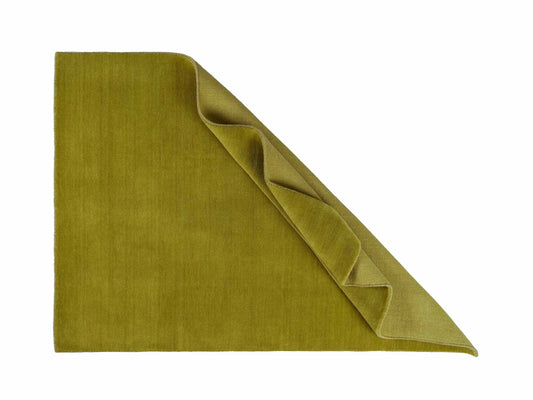

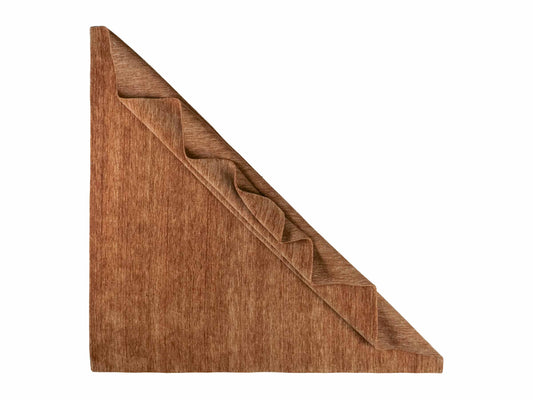

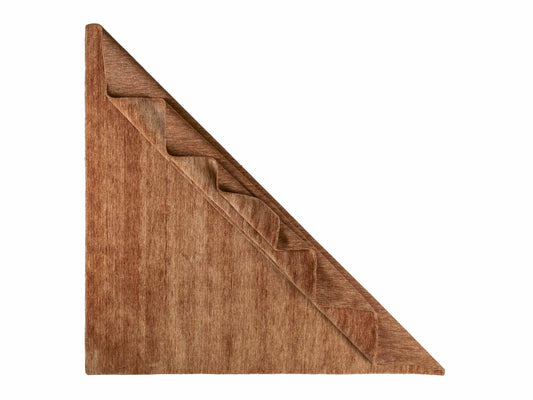

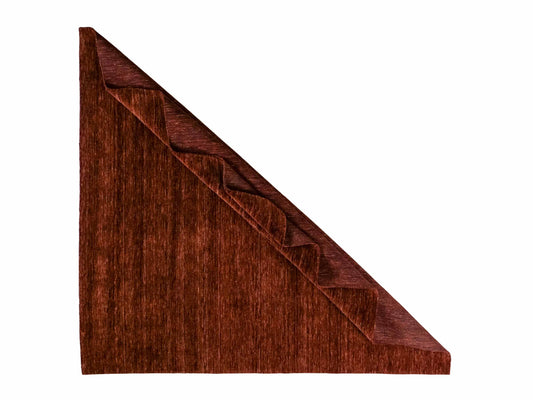





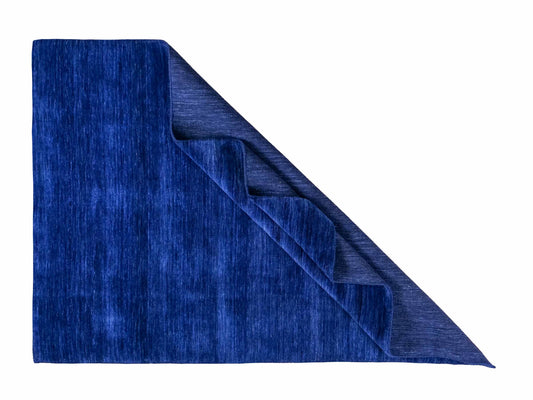


What Are Loom Gabbeh Rugs?
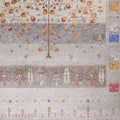
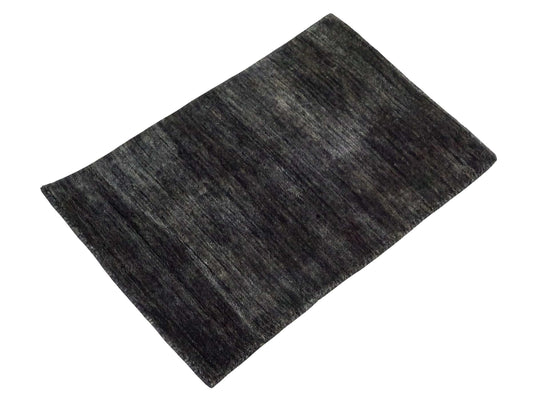
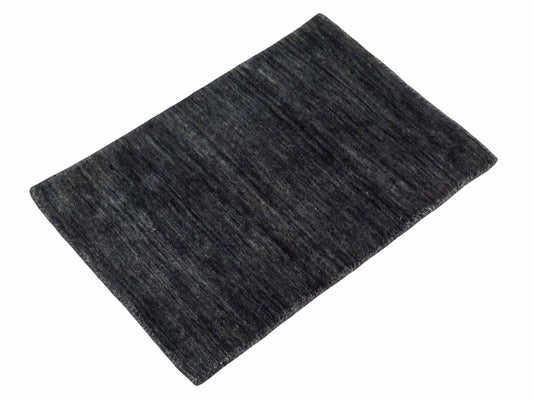
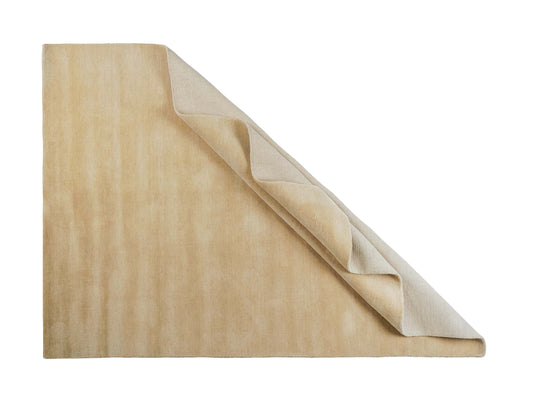
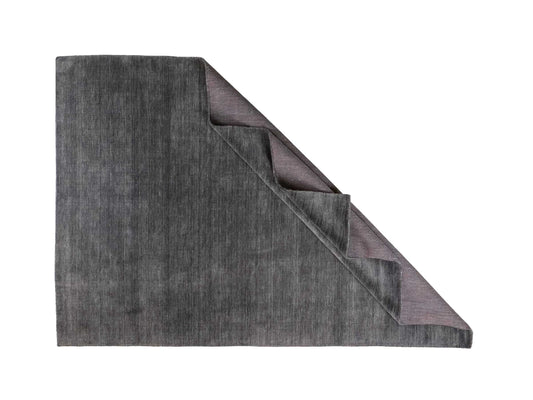
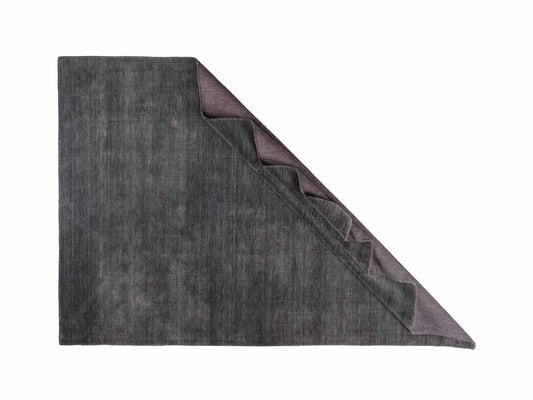
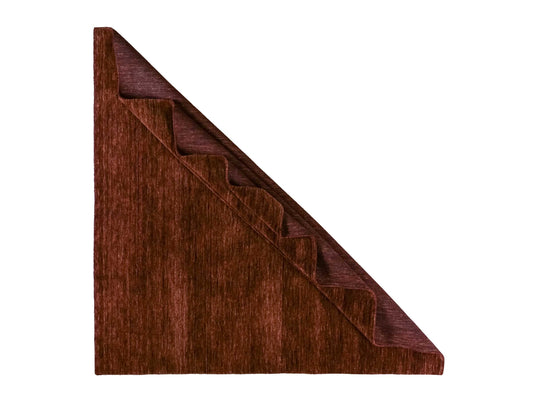
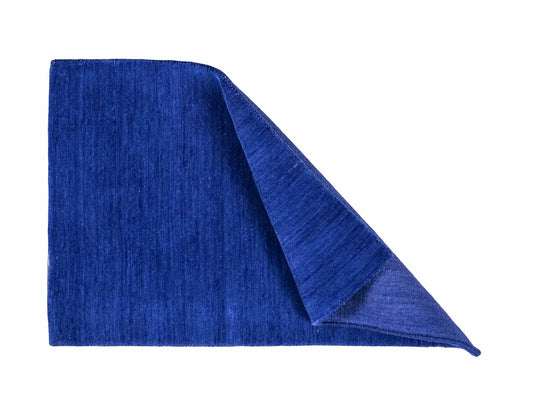
Loom Gabbeh rugs are modern, handwoven rugs inspired by the reduced, nature-oriented design language of traditional Gabbeh nomadic rugs—but reinterpreted in a lighter, contemporary and more budget‑friendly way. Classic Gabbeh rugs originate from southwestern Iran/Persia, where nomadic tribes such as the Ghashghai and Lori crafted them in a rustic wool quality. Loom Gabbehs, by contrast, are produced in Indian workshops on modern handlooms and merge traditional inspiration with a sleek, urban aesthetic. The result: soft, natural wool rugs with calm surfaces, gentle colours and excellent everyday usability—ideal for modern as well as classic interiors. Explore all our handloom rugs now!
Manufacturing Process – Modern Handloom Technique from India
Material Selection: Wool, Blends & Natural Fibres
The pile of a Loom Gabbeh rug typically consists of high‑quality sheep’s wool—often hand‑spun, supple and durable. Some ateliers use refined blends such as wool–bamboo silk or wool–viscose to achieve a subtle sheen and a pleasantly smooth texture. The warp is traditionally made from robust cotton for lasting stability.
Handloom Weaving Technique
On the horizontal or vertical loom, the rug is built layer by layer: the wool is inserted precisely, compacted, and then sheared. This technique allows for especially calm, even surfaces—perfect for minimalist designs.
Finishing, Washing & Quality Control
After weaving, Loom Gabbeh rugs are carefully washed, dried, sheared and visually balanced. Small irregularities are a natural hallmark of genuine handwork and give each rug its individual character.
What Are Loom/Handloom Rugs – and How Do They Differ from Hand-Knotted Rugs?
Handloom rugs (“loom” = weaving frame) are produced on handlooms, where yarn is inserted layer by layer, compacted and then sheared. This method requires far less time than classic hand‑knotting, where every single knot is tied by hand—often several million per rug. As a result, hand‑knotted rugs tend to appear denser, more voluminous and more detailed. Handloom rugs, on the other hand, offer calm surfaces, a modern aesthetic and attractive pricing—ideal for style‑ and value‑conscious interiors.
Designs & Colour World – Minimalism Meets Natural Aesthetics
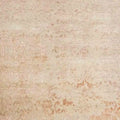
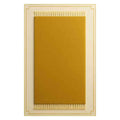
- Solid and tone‑on‑tone fields – calm, modern, timeless
- Minimalist lines & field structures – inspired by nomadic motifs
- Simple, stylised tribal accents such as figures, animals, trees or small geometric icons
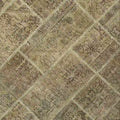
- Nature‑inspired tones: sand, beige, ochre, olive, anthracite, grey
- Modern pastels: rose, mint, ice blue, pale yellow
- Characterful accent colours: red, blue, green, petrol, orange
Living Ideas & Application Tips
Loom Gabbeh rugs are a perfect match for modern, minimalist, Scandinavian or nature‑oriented interiors. Their calm appearance creates a warm, inviting atmosphere—even in pared‑down, puristic spaces.
- Ideal in living rooms under sofas and seating groups
- As a soft bedside rug in the bedroom
- Perfect for hallways, home offices or kids’ rooms thanks to their pleasant feel
- As large, spacious centrepieces for zoning open‑plan layouts
- Beautiful in Boho, Japandi or urban‑nature styles
Choosing the Right Size for Loom Gabbeh Rugs
Popular sizes include 200x150 cm, 240x170 cm, 300x200 cm or 300x250 cm for living and dining areas. Medium formats such as 120x80 cm or 170x120 cm work well in bedrooms or hallways. Runners (from 250x70 cm) structure long spaces effectively.
Tip: Choosing a generously sized format enhances the modern look of Loom designs.
FAQ – Frequently Asked Questions about Loom Gabbeh Rugs
What Is a Handloom Rug – and How Does It Differ from a Hand-Knotted Rug?
Handloom rugs are woven on handlooms and therefore much less time‑intensive to produce. Their surfaces look calmer, more modern and more uniform. Hand‑knotted rugs, however, are created knot by knot through meticulous labour and usually feature a denser pile and more complex motifs. Loom rugs are lighter, sleeker and more attractively priced.
How Do Loom Gabbeh Rugs Differ from Classic Gabbehs?
Classic Gabbeh rugs are hand‑knotted and usually have a thicker, more rustic pile. Loom Gabbehs are handwoven, lighter, finer and often simpler in design—ideal for modern interiors and more budget‑friendly.
What Materials Are Loom Gabbeh Rugs Made From?
The pile is usually made from high‑quality sheep’s wool, sometimes blended with viscose or bamboo silk. The warp is typically made from durable cotton.
Are Loom Gabbeh Rugs Easy to Maintain?
Yes—regular vacuuming is sufficient. Wool is naturally dirt‑repellent. For deep cleaning, we recommend professional specialists. Discover more about carpet care.
Are Loom Gabbeh Rugs Suitable for High‑Traffic Areas?
Yes—thanks to their dense weave and wool quality, they are durable and long‑lasting. Perfect for hallways, family spaces and living kitchens.
Will I receive a certificate of authenticity?
Yes—every handmade rug at JUPITER Intl comes with a certificate of authenticity. Find out more about our certificate of authenticity.
Quality, Price & Service by JUPITER Intl
- Every Loom Gabbeh rug is a certified one-of-a-kind—chosen for workmanship, authenticity and condition
- Transparent provenance: all handmade rugs are supplied with a certificate of authenticity
- Fair prices directly from Khademi—no middlemen or misleading “retail prices”
- Wide selection: from exclusive Hereke silk carpets to modern Ziegler Oriental rugs
- Personal advice on provenance, size, material, and style
- Secure payment, 31-day return policy & free returns for your complete satisfaction
Personal Consultation at JUPITER Intl
Looking for the perfect Loom Gabbeh rug, a particular format, or a motif with a special colour composition? Our experienced team is happy to support you – from expert style advice to sourcing unique pieces. Contact us by phone or email, or combine your visit with a trip to our showroom in the historic Speicherstadt, part of Hamburg's UNESCO World Heritage Site – discover history and tradition up close!
More Information & Links
- Design Classic: Gabbeh Rugs
- Countries of Origin: India – Color, Diversity and Tradition
- Carpet Guide: How Do I Properly Care for Hand-Knotted Rugs?
- Carpet Guide: What to Consider When Choosing Rug Size
- Carpet Guide: How to Identify Hand-Knotted Rugs
- Carpet Guide: How to Calculate the Knot Density of a Rug
- Carpet Guide: What’s the Difference Between Rug Knot Types?
- Carpet Guide: How Sustainable Are Hand-Knotted Rugs?
- Carpet Guide: Are Hand-Knotted Rugs a Good Investment?
- Certificate of Authenticity: Your Guarantee for Quality and Authenticity