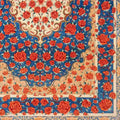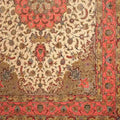

Sustainability plays an increasingly important role in today’s textile industry. Hand‑knotted rugs are at the center of this discussion because they are closely associated with natural materials, traditional craftsmanship and social responsibility. But how sustainable are hand‑knotted rugs in practice — and what criteria should buyers pay attention to?
1. Materials & Raw Fibers
Natural fibers such as wool, cotton or silk form the foundation of sustainably produced rugs. They are biodegradable, long‑lasting and typically require fewer chemical treatments than synthetic fibers. Wool from responsibly managed livestock offers an excellent ecological footprint. For detailed insights, visit our Carpet Materials Blog.
2. Sustainable Production
Hand‑knotted rugs are often made in small workshops or by traditional artisans. Compared with industrial manufacturing, this process is significantly more energy‑efficient and supports regional craftsmanship. A sustainable production chain considers both ecological and social aspects, strengthening local communities.
3. Fair Trade & Social Responsibility
More and more producers prioritize fair working conditions, transparent supply chains and equitable wages. Purchasing fairly made rugs supports sustainable labor practices and contributes to social development in the countries of origin. Learn more in our Countries of Origin Blog.
4. Longevity & Value
High‑quality hand‑knotted rugs are prized for their robustness and long lifespan. With proper care, they can last for decades and often become cherished heirlooms — reducing the need for replacement and conserving resources.
5. Environmental Factors: Dyeing & Care
Dyeing methods and care practices also impact sustainability. Natural dyes, ecological cleaning techniques and mindful resource use significantly contribute to environmental protection. Buyers should inquire about dyeing and production methods beforehand.
Checklist: How to Identify a Sustainable Hand‑Knotted Rug
- Use of biodegradable natural fibers (e.g., wool, cotton, silk)
- Transparent origin and fair production standards
- Produced by traditional artisans
- High durability & superior workmanship
- Natural dyes & eco‑friendly care products
- Social responsibility & fair wages
FAQ – Sustainability
Are Hand‑Knotted Rugs Always Sustainable?
► Not necessarily. Sustainability depends on materials, production methods and social standards. Certified products offer reliable guidance.
Which Materials Are Considered Most Sustainable?
► Natural fibers from verified sources — such as wool, cotton or silk — offer the best environmental balance.
How Can I Care for a Rug Sustainably?
► Use natural cleaning agents, avoid harsh chemicals and schedule regular professional cleanings.
Summary
Hand‑knotted rugs combine traditional craftsmanship with responsible material choices and social values. When produced ethically, they contribute meaningfully to a more sustainable textile industry. Explore our collection of hand‑knotted rugs and benefit from expert advice.