




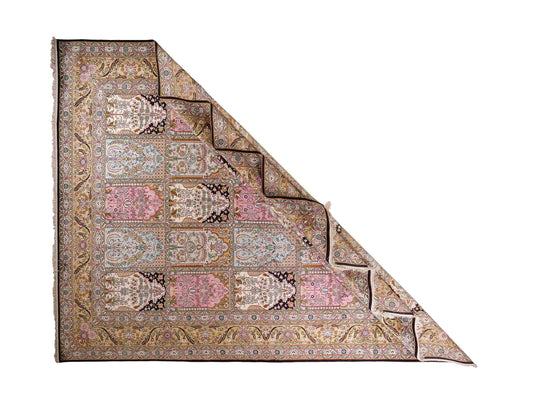
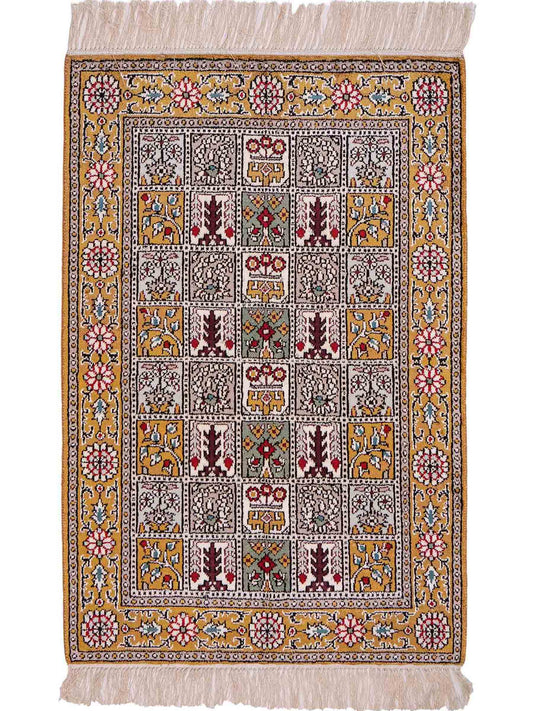
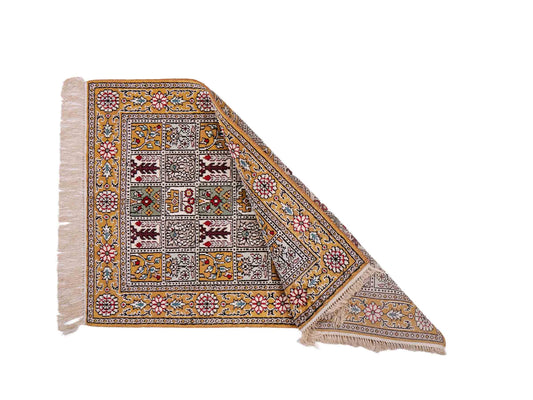
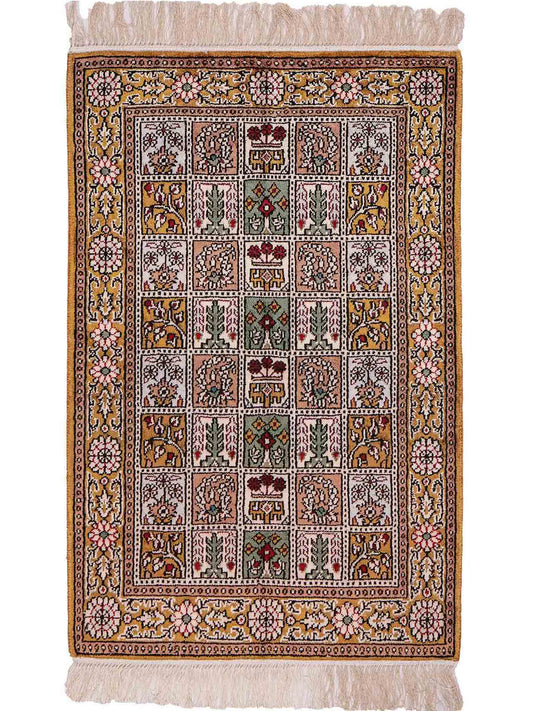
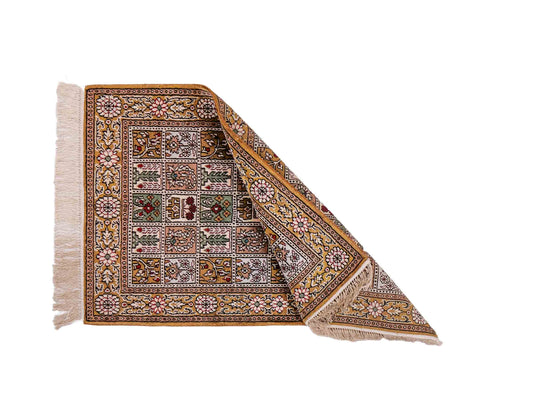
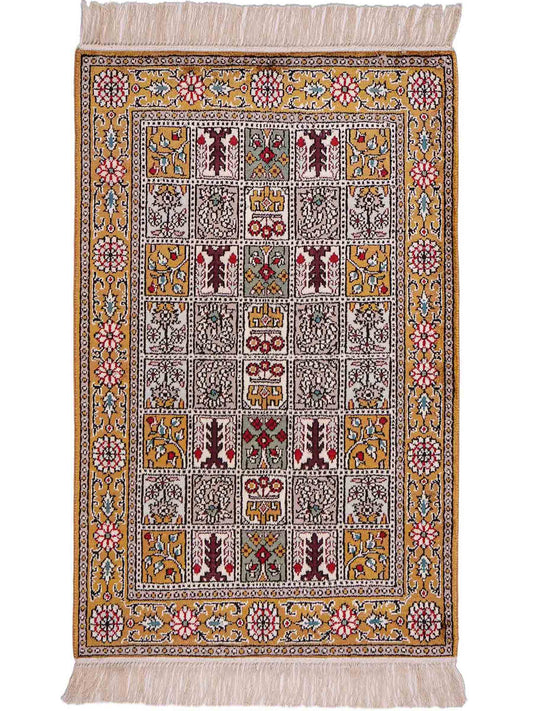
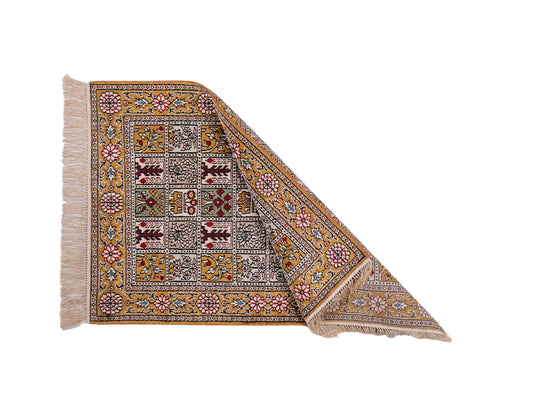
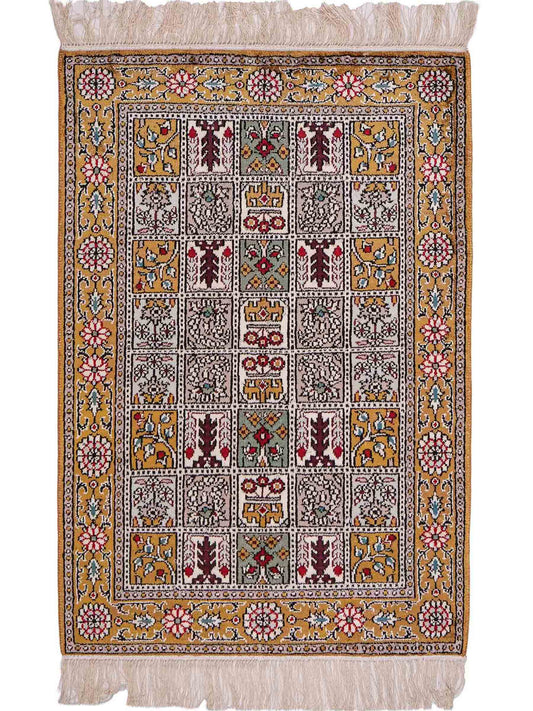
What is an Oriental Rug?
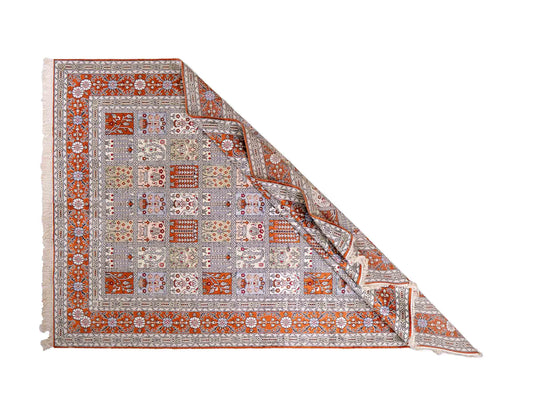
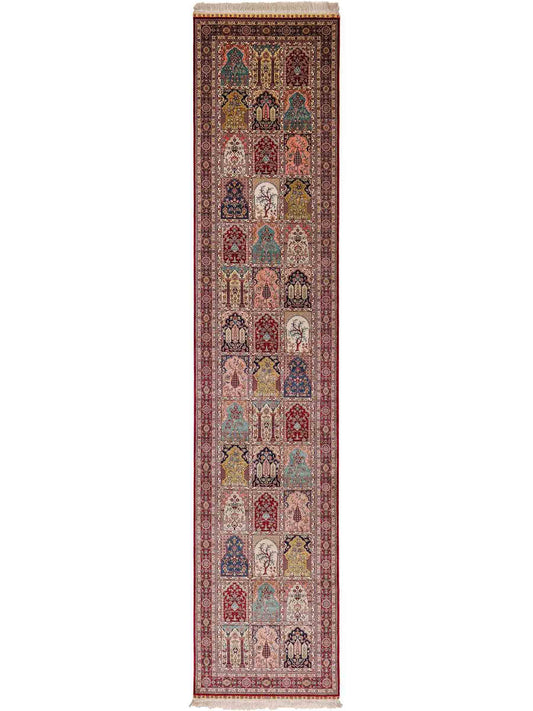
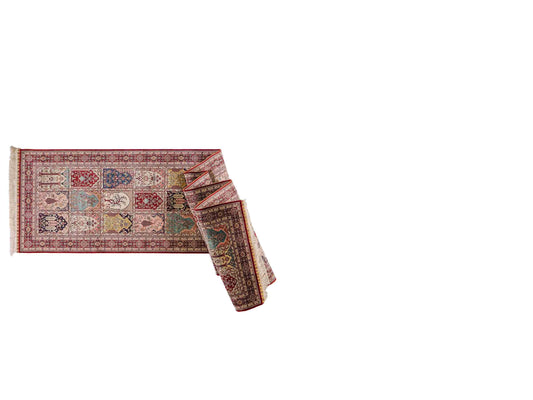
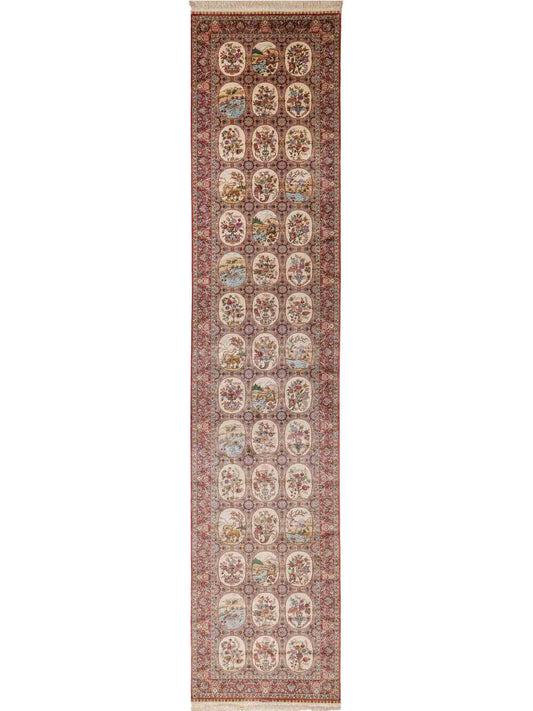
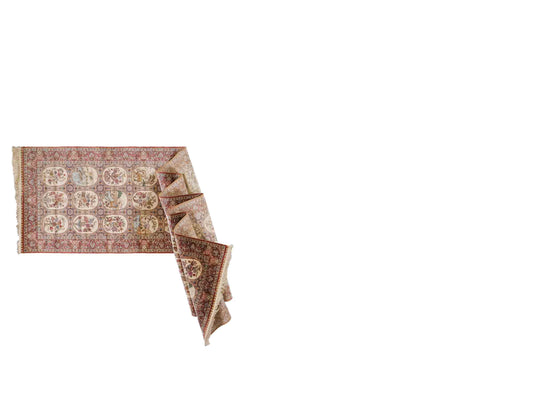
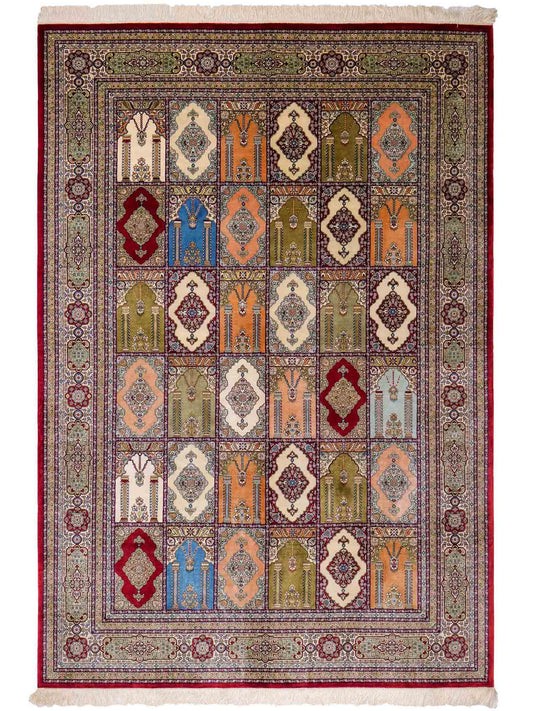
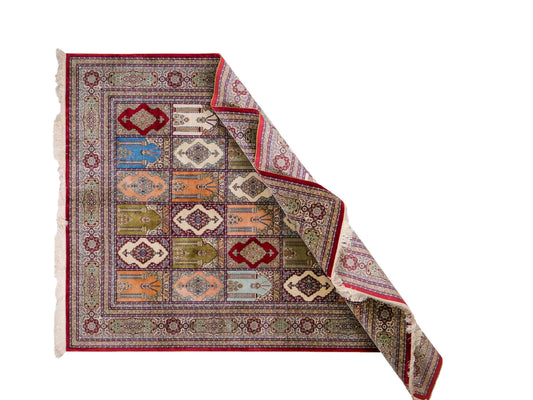
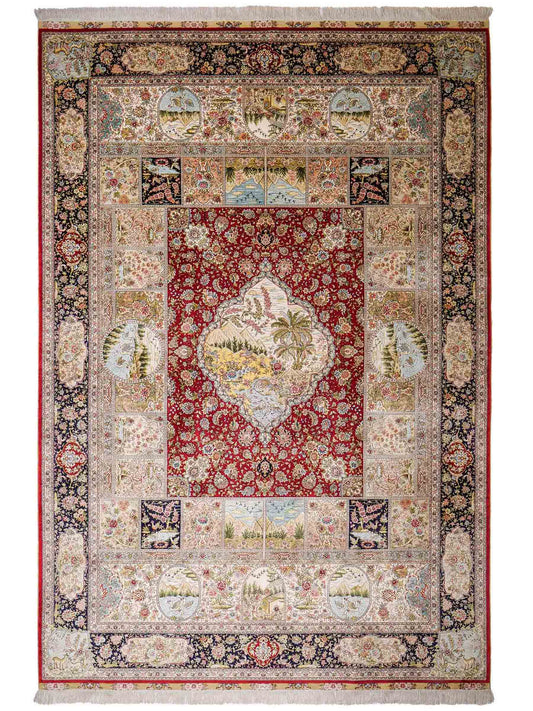
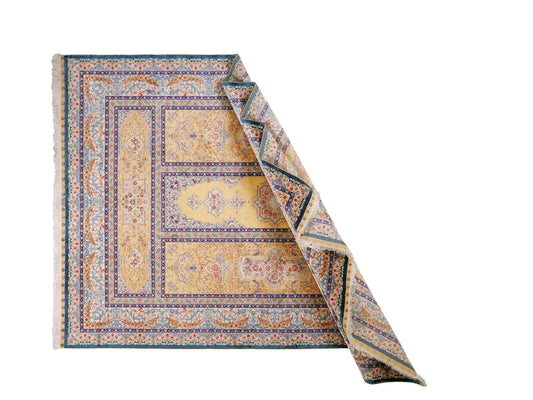
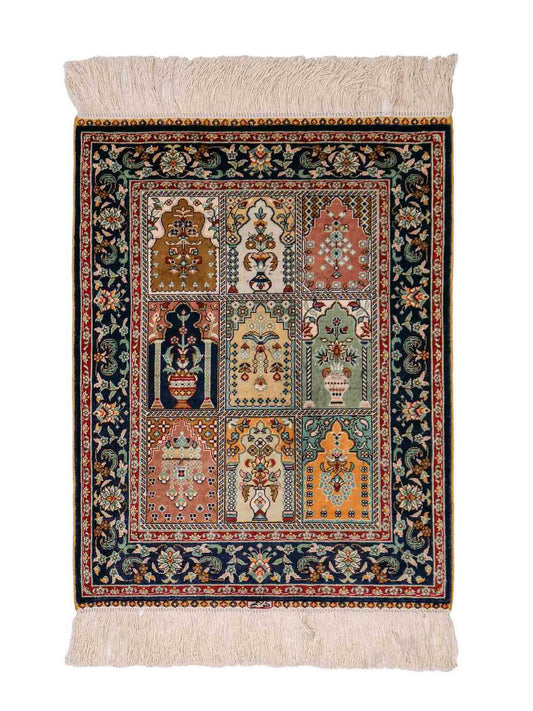
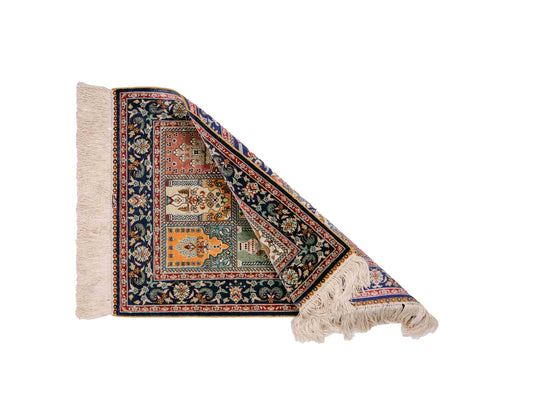
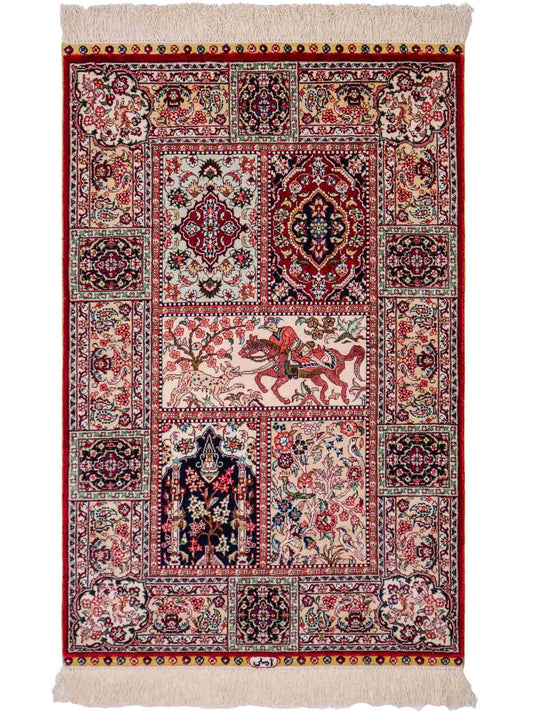
Oriental rugs are hand-knotted carpets traditionally originating from the region spanning the Eastern Mediterranean, Central Asia, and East Asia—including countries such as Iran/Persia, Afghanistan, India, Pakistan, China, Turkey, and the Caucasus. They are defined by artistic patterns, complex symbolism, and an immense variety of motifs and colours. As an umbrella term, "Oriental rug" includes all subtypes—including Persian, Turkish, Afghan, Indian, Pakistani, Caucasian or Chinese origins—each always handcrafted and often rooted in centuries-old techniques and traditions.
Origin, Craft & Weaving – What Makes Chinese Rugs Unique
- Origins: China’s rug tradition dates back to the Tang Dynasty (7th c. AD) and is shaped by Buddhist, floral, and mythical motifs.
- Material: Made from 100% pure silk, the finest sheep’s wool with silk content, or innovative art silk for modern alternatives.
- Knot Density: Some of the world’s finest rugs are made here—up to 4,200,000 knots/m², crafted by master artisans with painstaking care.
- Design Variety: From medallion and field carpets to tableau, hunting, garden, and modern minimalist designs—you’ll find it all.
- Applications: Perfect as luxury area rugs, wall art, collector’s pieces or valuable investments.
Key Types & Subcategories of Chinese Rug Art
Sino Qom Rugs:
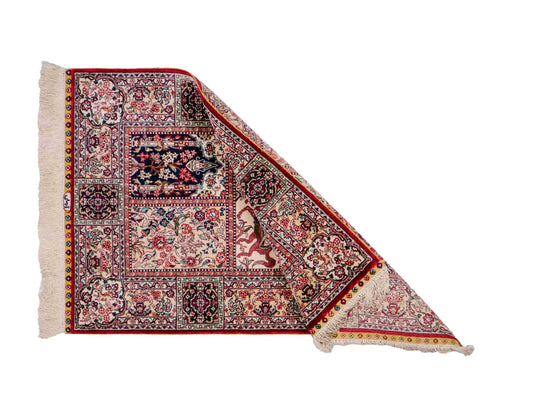
Hand-knotted, exceptionally luxurious rugs inspired by their Persian Qom counterparts—made from 100% pure silk or the finest sheep’s wool with silk highlights for extra sheen. Sino Qom silk rugs stand for the highest precision, intricate motifs, and a magical brilliance; they are traded as the luxury class of Chinese rug art worldwide. Discover now!
Sino Nain Rugs:
Refined individual pieces inspired by Persian Nain rugs, made exclusively from the finest hand-spun natural silk. Sino Nain silk rugs impress with light hues, masterful arabesques, and radiant silk lustre—an embodiment of Far Eastern nobility. Discover now!
Sino Hereke Rugs:
Inspired by legendary Turkish Hereke designs, hand-knotted in China—all 100% pure silk. These rugs are prized for their intricate motifs, silky-smooth pile, and ornate borders; they combine Ottoman magnificence with Chinese precision. Discover now!
Sino Tabriz Rugs:
Characterised by Persian medallion and floral-geometric patterns, knotted from the finest sheep’s wool with high silk content, inspired by Tabriz originals. Sino Tabriz Oriental rugs deliver precise lines, rich detail and balanced pastels—ideal for classic and timeless modern interiors. Discover now!
Sino Isfahan Rugs:
Masterful pieces inspired by Persian Isfahan designs, crafted in finely spun cork wool and luxurious silk for lustre and durability. They blend Persian ornament with Far Eastern colour trends and are appreciated as versatile decorative centrepieces. Discover now!
Art Heritage Rugs:
Modern reinterpretations of classic Qom, Hereke, and Nain designs; made with 100% animal-free art silk or recycled natural silk—offering on-trend palettes, smooth sheen and outstanding value. Art Heritage rugs are affordable, easy-care alternatives to true natural silk, serving as subtle, elegant accents in contemporary homes. Discover now!
Chinese Silk Rugs:
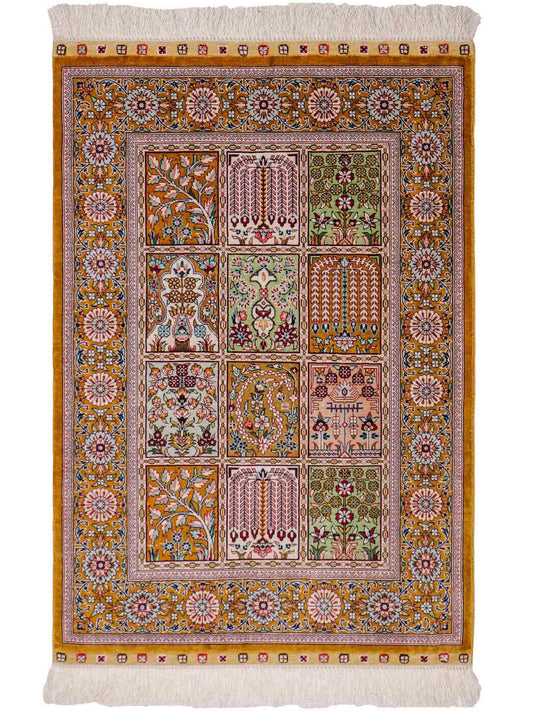
Unmatched in fineness, sheen and knot density—made from the very best Chinese silk, up to 4,200,000 knots/m². Chinese silk rugs are prized collectibles, famed for their artistic pictorial motifs, luminosity and delicate texture. Discover now!
Gobelin Tapestry Rugs:
Pictorial tapestries inspired by French artistry, produced in China and 100% hand-tufted—ideal as exclusive wall décor. Gobelin tapestries combine classic, often narrative or floral motifs with modern production and bring the art of wall textiles into the home. Discover now!
Patterns, Colours & Artistic Expression
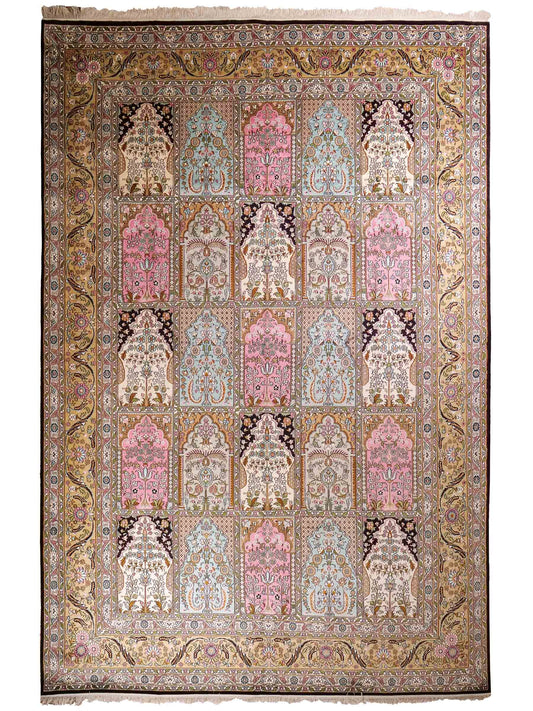
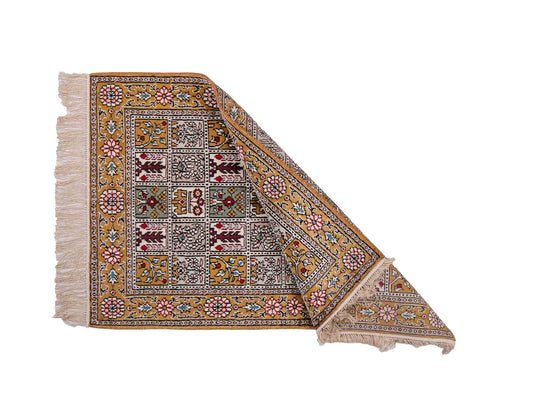
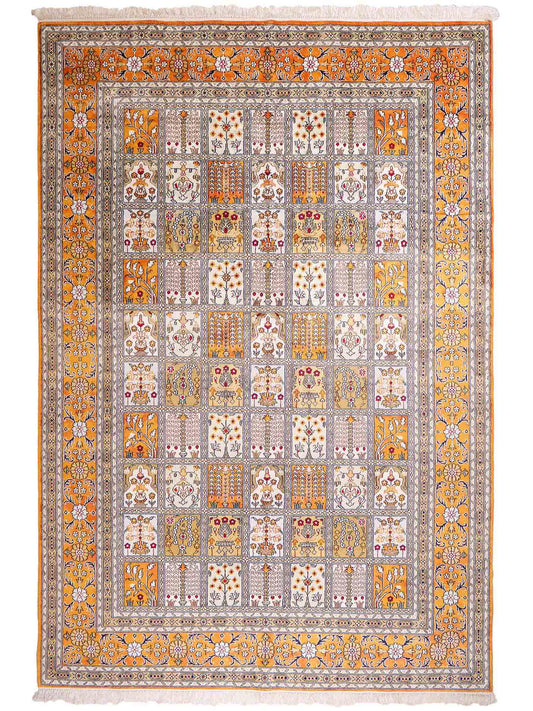
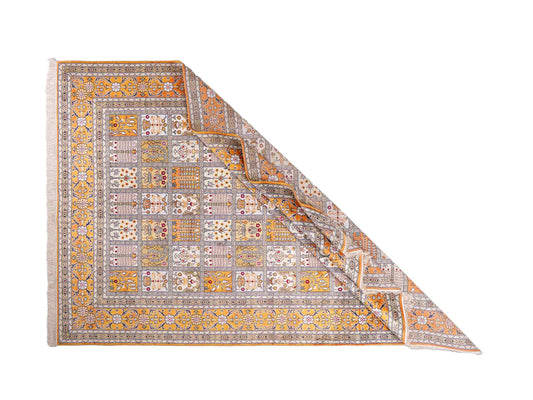
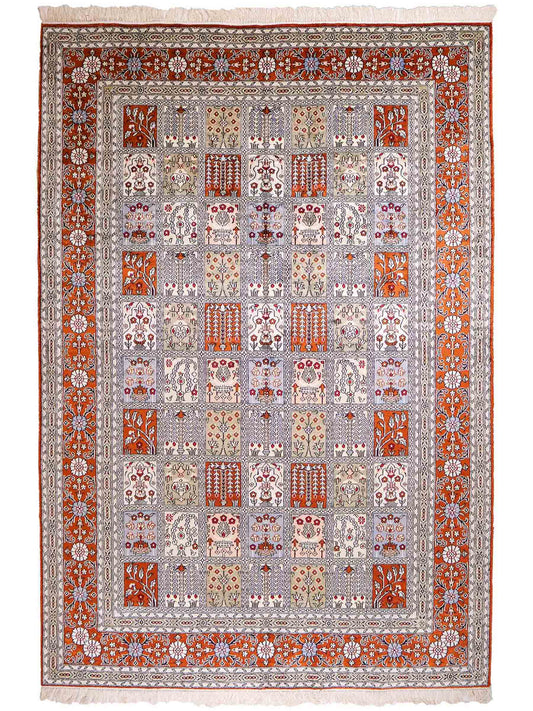
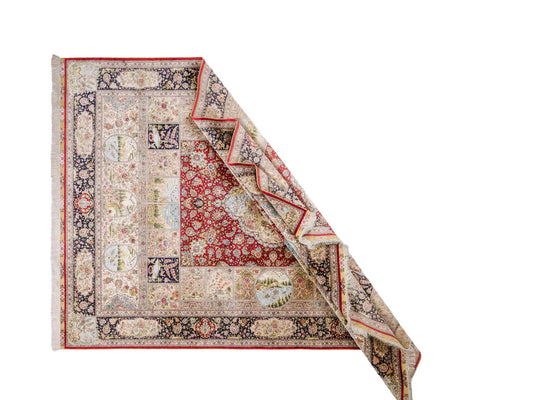
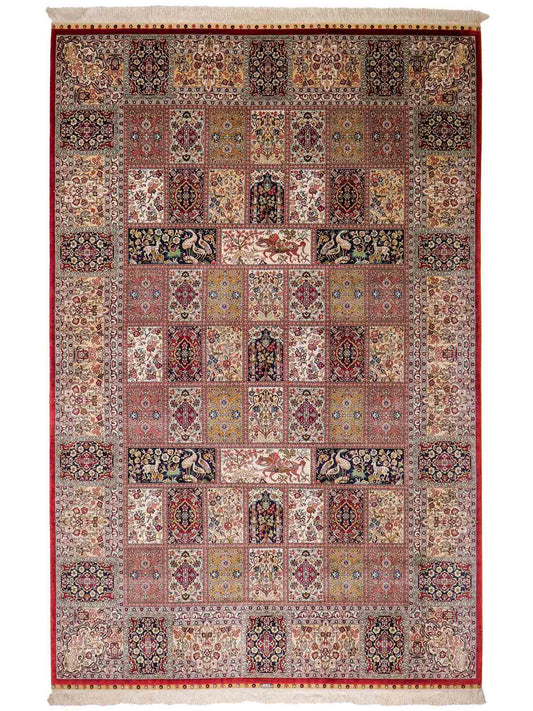
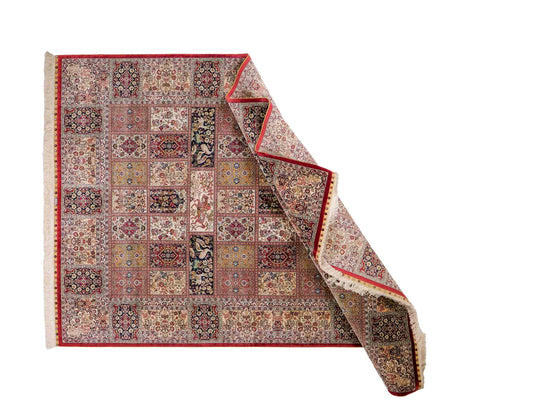
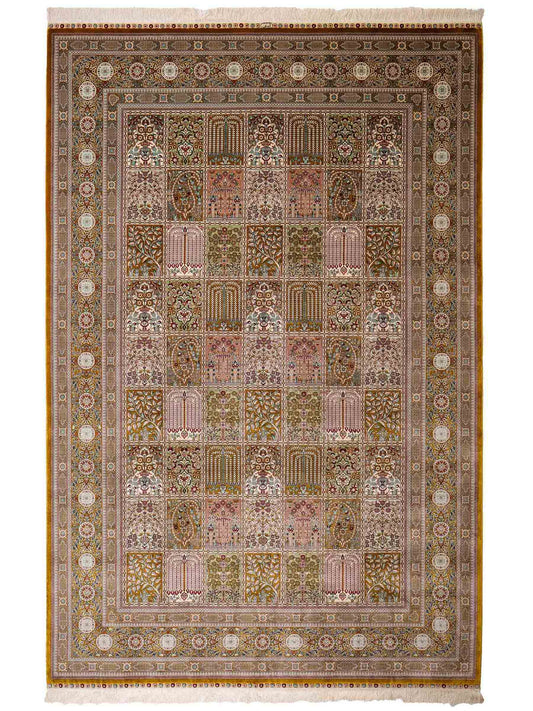
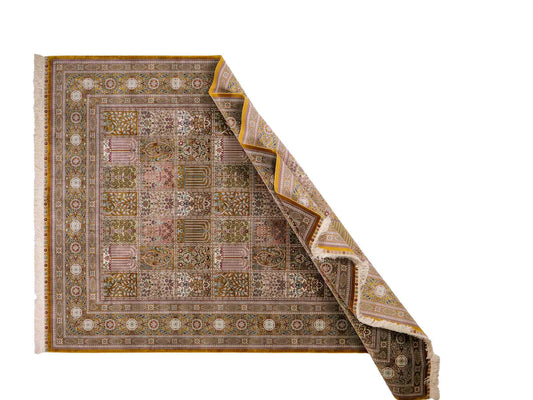
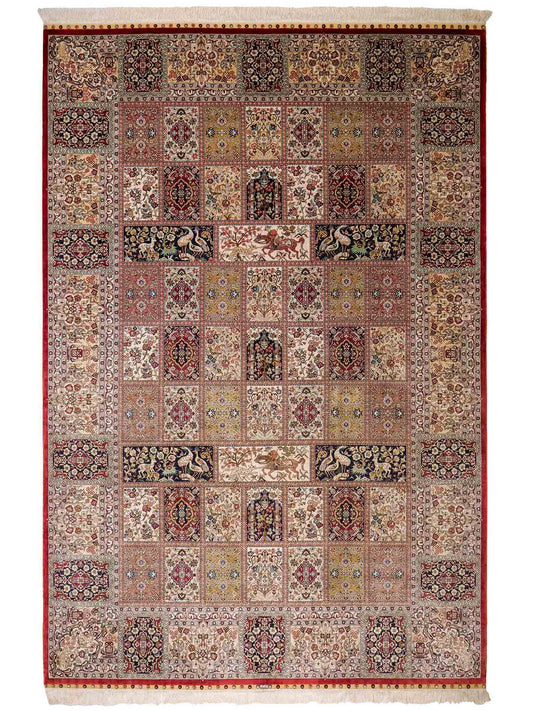
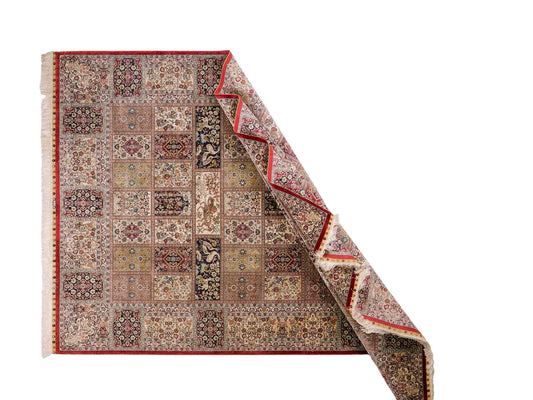
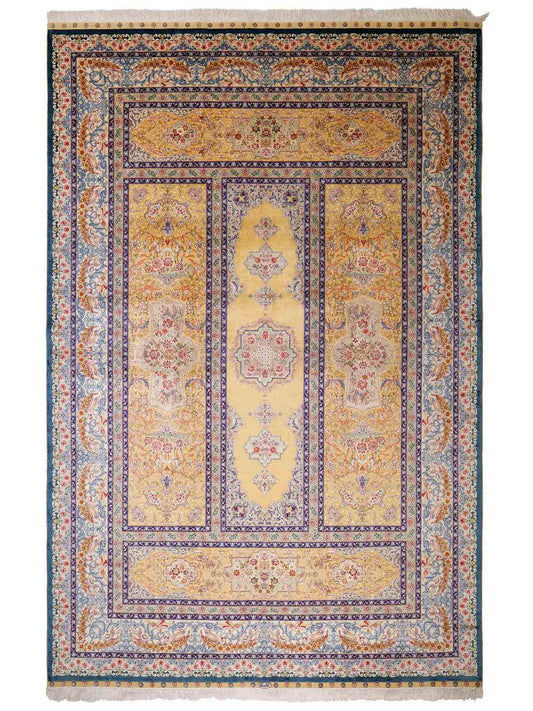
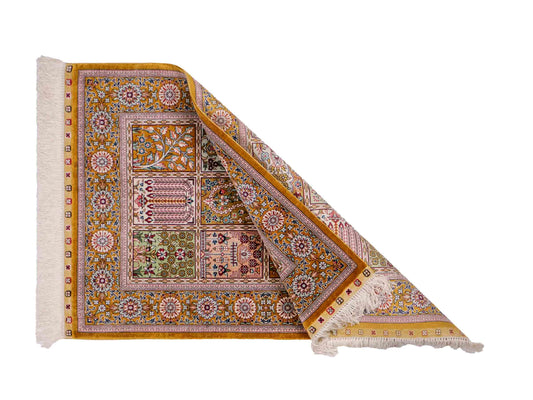
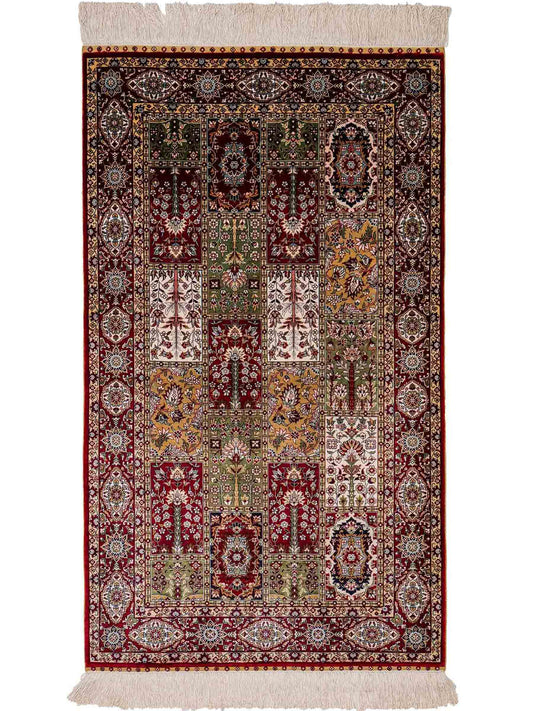
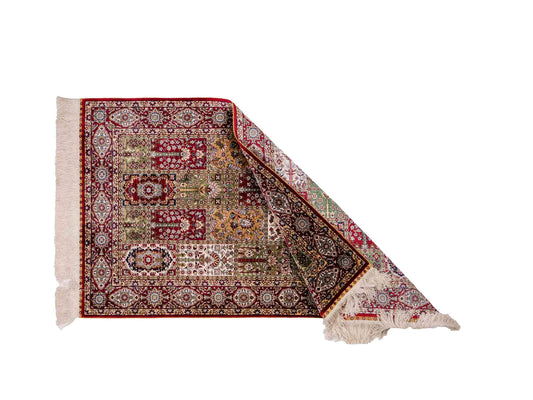
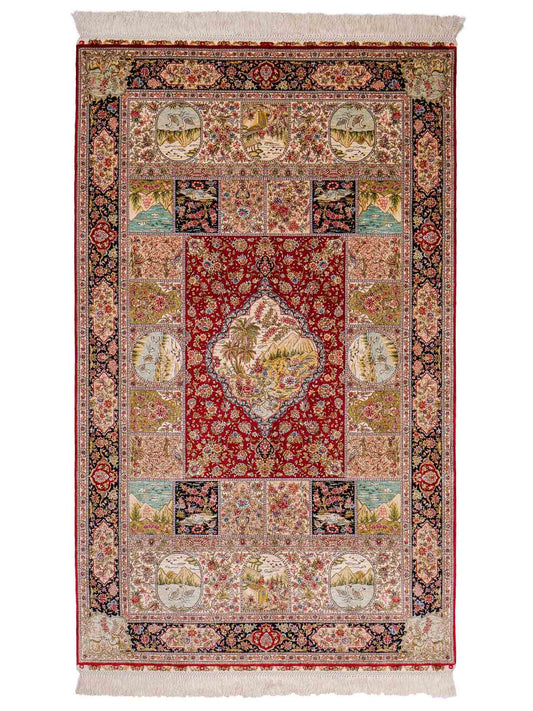
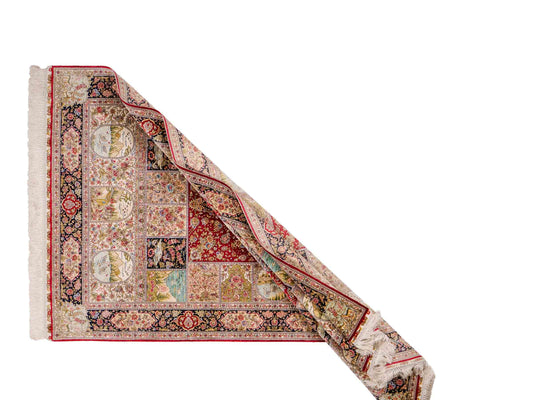
Chinese rugs are admired for their brilliant silk sheen, bright pastel tones, rare multicolour effects, and elegant designs—both classic and modern.
- Designs: Typically medallions, field patterns, intricate ornaments, hunting and tableau motifs, nature scenes and geometric patterns.
- Colours: The range spans from ivory, sky blue and gold to bold reds, mauve and on-trend pastels.
Comparison Table: Chinese Rugs at a Glance
| Provenance / Type | Material | Knot Density | Main Features |
|---|---|---|---|
| Sino Qom Oriental Rugs | Pure natural silk, cork wool with natural silk | 500,000–4,200,000 knots/m² | Luxury pieces with intricate designs & brilliant lustre |
| Sino Nain Oriental Rugs | Pure natural silk | 600,000–2,000,000+ knots/m² | Luxury pieces with masterful arabesques, light tones |
| Sino Hereke Oriental Rugs | Pure natural silk | 500,000–1,200,000+ knots/m² | Luxury pieces with Ottoman motifs, unmatched precision |
| Sino Tabriz Oriental Rugs | Cork wool with natural silk | 300,000–900,000+ knots/m² | Luxury pieces with floral patterns, classic elegance |
| Sino Isfahan Oriental Rugs | Cork wool with natural silk | 500,000–1,200,000+ knots/m² | Luxury pieces with refined motifs, rich in ornament |
| Art Heritage Oriental Rugs | Animal-free art silk or recycled natural silk | 200,000–900,000 knots/m² | Modern Qom, Hereke & Nain designs, easy care & affordable |
| Chinese Silk Rugs | Pure natural silk | 500,000–4,200,000 knots/m² | Highest knot density, collector & investment pieces |
| Gobelin Tapestry Rugs | Sheep’s wool, cotton | Hand-tufted | Decorative wall art with French motifs |
FAQ – Frequently Asked Questions about Chinese Rugs
Why are Chinese silk rugs so famous?
They rank among the finest, most detailed rugs in the world, celebrated for their silk lustre, high knot counts, and artistic motifs.
How do Sino rugs differ from their Persian and Turkish counterparts?
Sino rugs are exceptional “reinterpretations” of classic Qom, Nain, Tabriz, Isfahan and Hereke designs—hand-knotted in China with top-grade materials and precision, offering outstanding value compared to originals.
Are Art Heritage rugs a real alternative to silk?
Yes—art silk is lustrous, animal-free, durable, easy to maintain and more affordable, though it does not perfectly replicate the touch of natural silk. However, there are also Art Heritage rugs made from recycled natural silk. Please refer to the individual product description for details.
How do I care for a Chinese silk rug?
Vacuum gently, avoid sunlight and humidity, and only have it cleaned by experienced professionals. Discover more about carpet care.
Are Chinese rugs a good investment?
Especially finely hand-knotted silk rugs with unique motifs and in top condition are highly sought after by collectors and often appreciate in value. Learn more about value retention and investment potential.
Quality Promise: Authenticity & Service by JUPITER Intl
- Every one of our Chinese rugs is a verified original, selected for craftsmanship, authenticity, and condition
- Transparent provenance: all handmade rugs include a certificate of authenticity
- Fair prices directly from Khademi—no middlemen or misleading "retail prices"
- Personal advice on provenance, size, material, investment, and style
- Secure payment, 31-day return policy and free returns for your complete satisfaction
Personal Consultation at JUPITER Intl
Looking for the perfect Chinese rug, a particular size, or a unique colour and design? Our experienced team is happy to support you – from expert style advice to sourcing unique pieces. Contact us by phone or email, or combine your visit with a trip to our showroom in Hamburg’s historic Speicherstadt—part of the city’s UNESCO World Heritage Site—where you can experience history and tradition first-hand!
More Information & Links
- Design Classic: Qom Rugs
- Design Classic: Hereke Rugs
- Design Classic: Isfahan Rugs
- Design Classic: Nain Rugs
- Design Classic: Tabriz Rugs
- Countries of Origin: China – Expression of a Rich Culture
- Carpet Guide: How Do I Properly Care for Hand-Knotted Rugs?
- Carpet Guide: What to Consider When Choosing Rug Size
- Carpet Guide: How to Identify Hand-Knotted Rugs
- Carpet Guide: How to Calculate the Knot Density of a Rug
- Carpet Guide: What’s the Difference Between Rug Knot Types?
- Carpet Guide: How Sustainable Are Hand-Knotted Rugs?
- Carpet Guide: Are Hand-Knotted Rugs a Good Investment?
- Certificate of Authenticity: Your Guarantee for Quality and Authenticity


