



What Is a Tableau Rug?
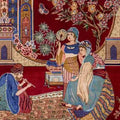
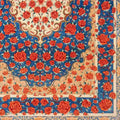
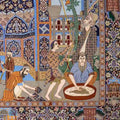
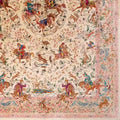
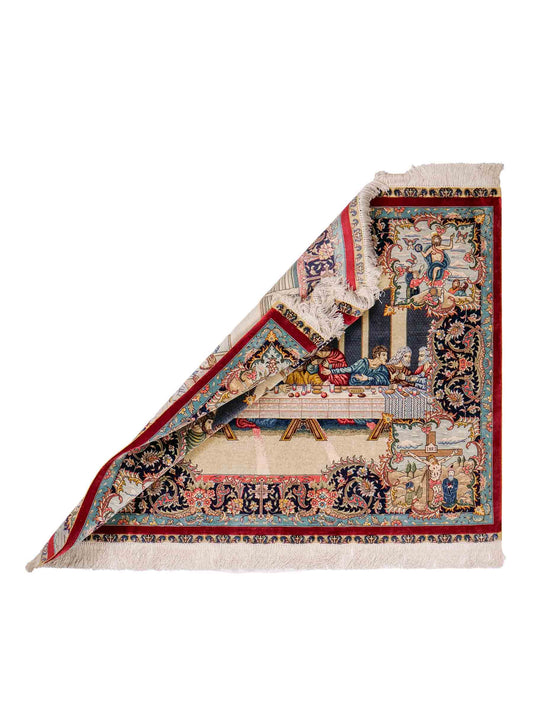
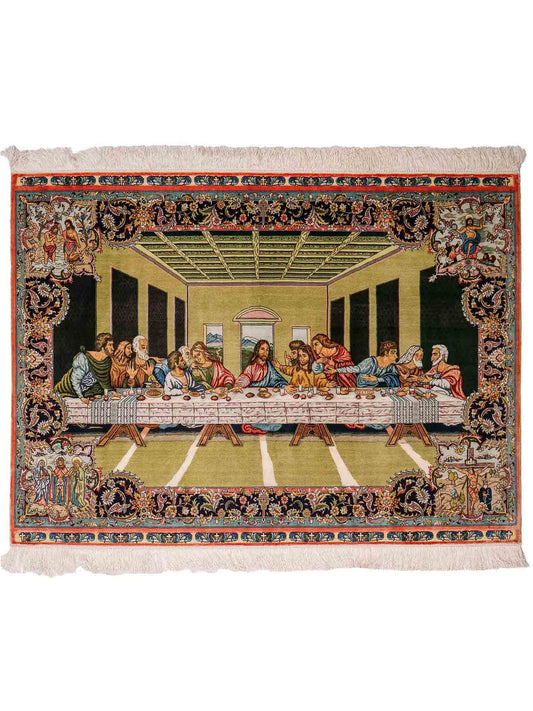
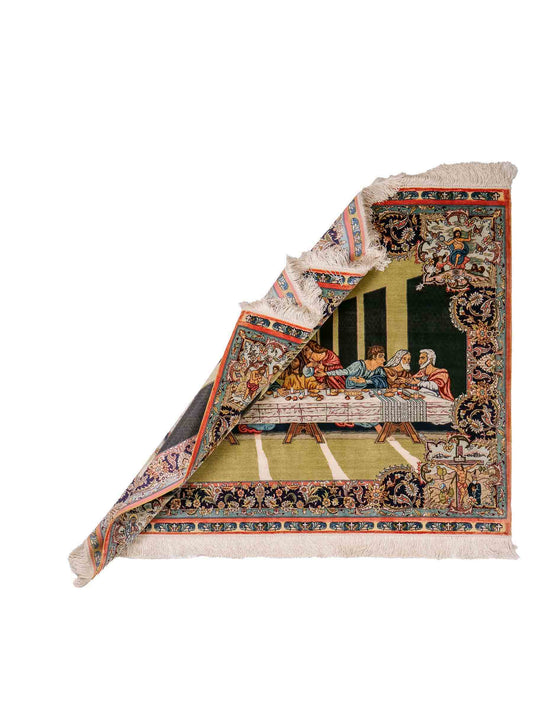
A tableau rug is an intricately hand‑crafted pictorial carpet produced in renowned weaving centres such as Iran (Persia), Afghanistan, China, India or Turkey, intended primarily as wall décor. Unlike classical Oriental rugs for the floor, tableau rugs depict figurative, narrative or pictorial motifs—such as the Last Supper or historical portraits—usually hand‑knotted in high knot densities from fine silk or premium wool. Their detailed artistry, brilliant colours and rich variety of motifs make tableau rugs true textile artworks cherished as exclusive wall tapestries, decorative wall pieces or iconic highlights in sophisticated interiors.
What Is a Wall Tapestry?
A wall tapestry is a textile artwork made specifically to enhance walls. Unlike classic floor rugs, wall tapestries are usually hand‑knotted or woven and feature figurative scenes, floral motifs or ornamental designs. They may be crafted as pictorial rugs with biblical scenes, landscapes or famous depictions such as the Last Supper, or as abstract or geometric textiles. Beyond their decorative purpose, wall tapestries can also enhance acoustics and insulation. Handcrafted pieces preserve artisanal traditions and cultural significance, making them highly desirable for collectors.
Pictorial Rugs & Wall Tapestries – Art for Floor and Wall
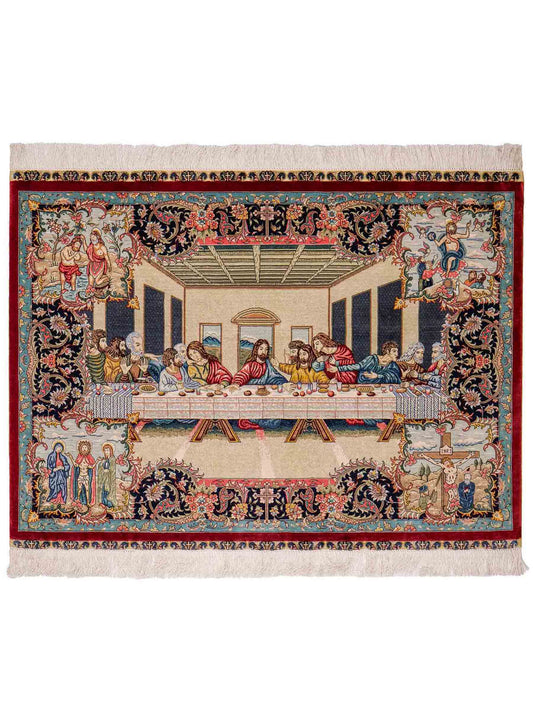
Pictorial rugs and wall tapestries adorn both floor and wall, adding artistic depth and atmosphere. The Last Supper motif is particularly popular and appears frequently on tableau rugs as well as fine hanging tapestries. These pieces serve less as practical objects and more as decorative artworks—expressions of collector passion, artistic ambition or cultural significance.
In addition to hand‑knotted Chinese, Persian and Turkish pieces, high‑quality Gobelin tapestries are also part of this artistic genre. Each exemplifies the idea of merging spiritual subject matter with superb craftsmanship—creating unique highlights for the home.
What Makes Last Supper Motif Rugs So Special?
The Last Supper is one of the most iconic themes in Christian art, yet only a small number of original interpretations have been woven into Oriental or Persian rugs or Tapisserie wall hangings. Characteristic is the figurative portrayal of Jesus and the apostles—either inspired by European masters or creatively reinterpreted by skilled weavers. The figures are often framed by ornate decorative borders. These rugs are not only feats of technical mastery but also rare examples of cultural exchange between East and West, blending craftsmanship and religious symbolism in a uniquely compelling way.
FAQ – Frequently Asked Questions About Last Supper Motif Rugs
How rare are Oriental rugs with biblical motifs such as the Last Supper?
Oriental rugs featuring biblical motifs such as the Last Supper are exceptionally rare one‑of‑a‑kind pieces, typically created by highly experienced pictorial weavers or in specialised ateliers. Their unique motif selection and the meticulous craftsmanship involved make them sought‑after collector’s items. Learn more about value retention.
Are hand‑knotted Last Supper motif rugs suitable for use on the floor?
Many Last Supper rugs were originally conceived as pictorial or wall pieces. For use on the floor, we recommend gentle handling or an appropriate rug pad to protect the artwork and craftsmanship. Thanks to their high knot density and durable structure, they can nevertheless be placed on the floor and serve as long‑lasting, impactful design elements.
Where are high‑quality, ultra‑fine silk rugs with Last Supper motifs made?
High‑quality, fine silk rugs with Last Supper motifs are primarily hand‑knotted in Iran (Persia), Turkey and China. Styles and interpretations vary, giving each rug its own artistic and cultural identity rooted in tradition and master craftsmanship.
How do I care for a silk rug with a Last Supper motif?
We recommend gentle, dry vacuuming and avoiding direct sunlight. For professional cleaning or proper wall mounting, please consult rug specialists or galleries. Learn more about carpet care.
Do I receive a certificate of authenticity with every Last Supper motif rug?
Yes. At JUPITER Intl, every handmade rug is delivered with a certificate including transparent provenance and material details. Learn more about our certificate of authenticity.
Quality, Price & Service by JUPITER Intl
- Each Last Supper motif Oriental & Persian rug is a hand‑crafted one‑of‑a‑kind, selected for workmanship, quality and design
- Transparent provenance: every handmade rug is supplied with a certificate of authenticity
- Fair prices directly from Khademi—no middlemen or misleading “retail prices”
- Wide range: from exclusive Qom silk rugs and exquisite Nain Persian rugs to modern Ziegler Oriental rugs, hand‑woven kilims and premium machine‑made carpets
- Individual consultation on provenance, size, materials and interior style
- Secure payment, 31‑day return policy & free returns for complete satisfaction
Personal Consultation at JUPITER Intl
Looking for the perfect Oriental or Persian rug with a Last Supper motif, a specific provenance, size or unique design? Our experienced team is happy to support you—from expert style advice to sourcing rare pieces. Contact us by phone or email, or complement your visit with a trip to our showroom in Hamburg’s historic Speicherstadt, a UNESCO World Heritage Site—experience tradition and artistry up close!
More Information & Links
- Design Classic Rugs
- Countries of Origin: Iran – Persian Perfection from a Master's Hand
- Countries of Origin: China – Expression of a Rich Culture
- Countries of Origin: Turkey – Art and Culture in Every Knot
- Carpet Guide: How Do I Properly Care for Hand-Knotted Rugs?
- Carpet Guide: What to Consider When Choosing Rug Size
- Carpet Guide: How to Identify Hand-Knotted Rugs
- Carpet Guide: How to Calculate the Knot Density of a Rug
- Carpet Guide: What’s the Difference Between Rug Knot Types?
- Carpet Guide: How Sustainable Are Hand-Knotted Rugs?
- Carpet Guide: Are Hand-Knotted Rugs a Good Investment?
- Certificate of Authenticity: Your Guarantee for Quality and Authenticity