



What Makes a Signed Hereke Rug So Special?
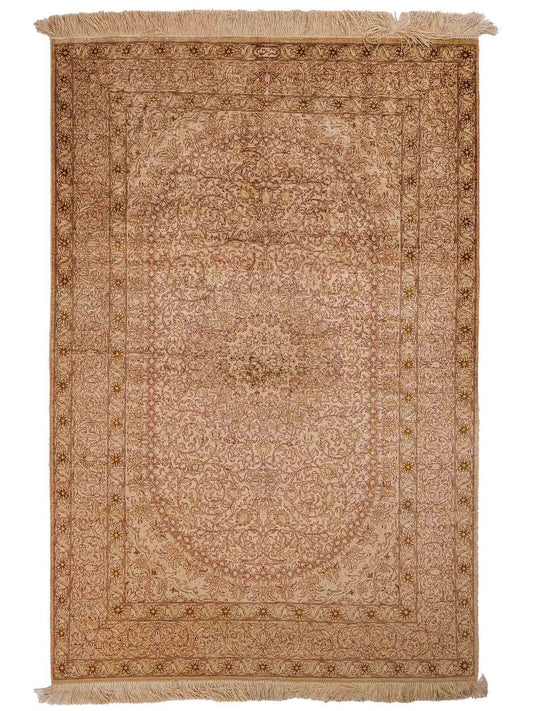
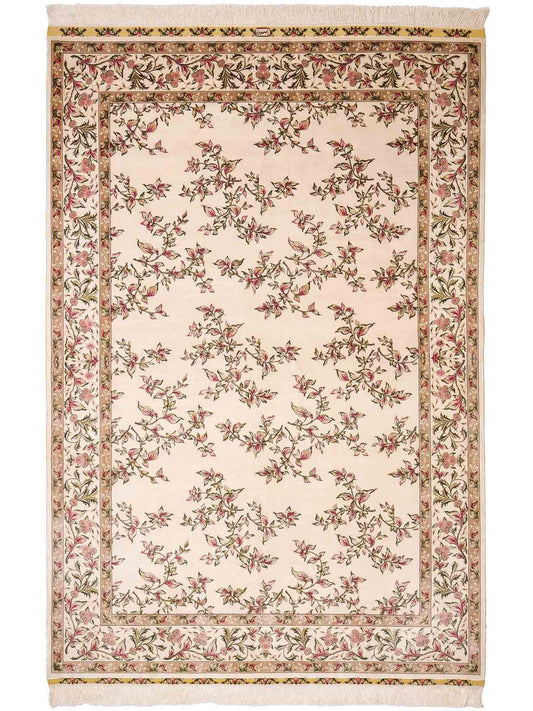
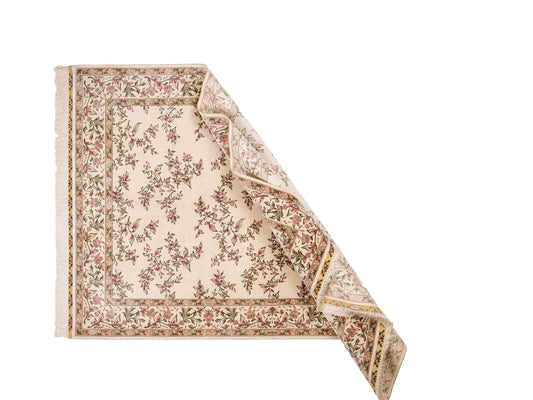
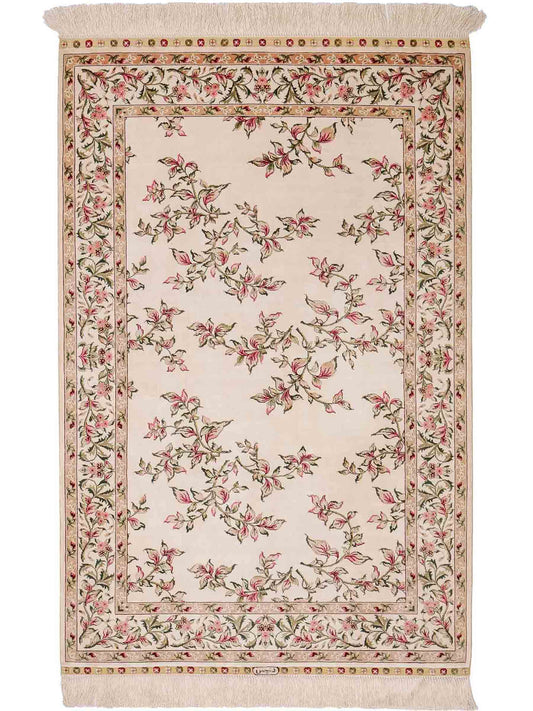
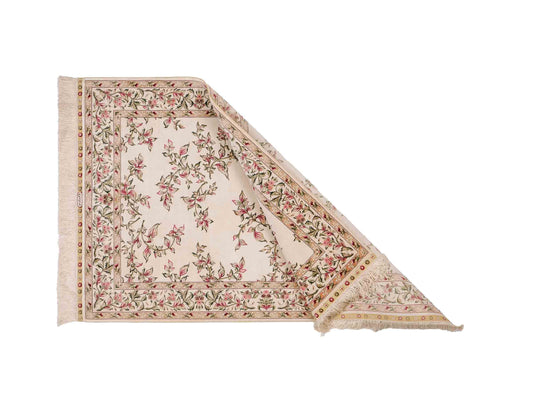
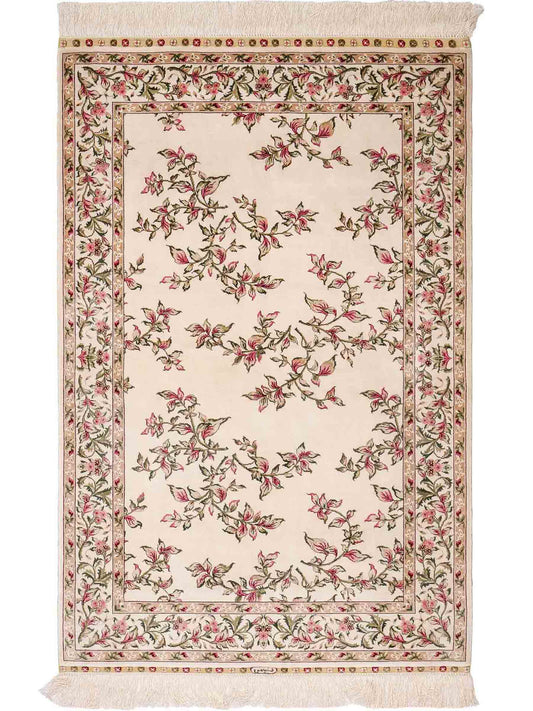
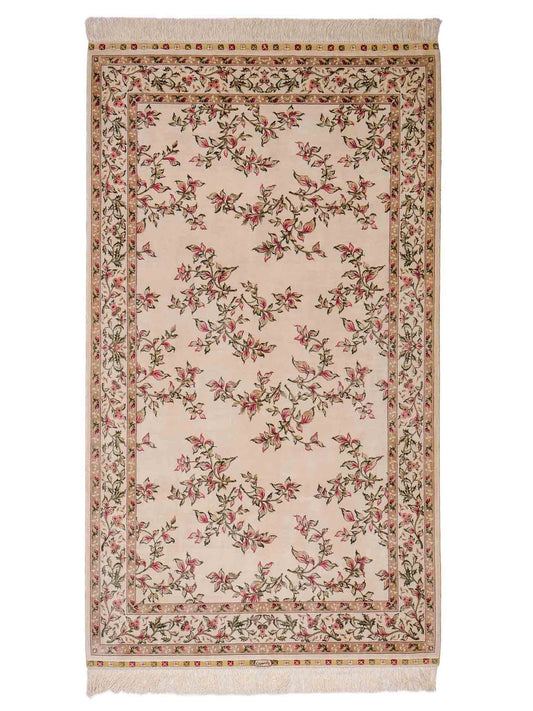
The signature on a Hereke rug is far more than a technical detail—it is the defining hallmark of a true master or legendary atelier. Woven in fine Arabic or Turkish script, as a symbol or stylised emblem, it reveals the rug’s provenance, the atelier, the time of creation and often even a historical dedication. This signature is typically found within the border, at the field’s edge or inside the medallion.
The signature guarantees origin, uniqueness and exceptional craftsmanship, making a signed Hereke both a highly sought‑after collectible and a value‑stable investment on the international art market—and at the same time an extraordinary work of art for living spaces, salons or galleries. The rare combination of museum‑level condition, documented provenance and distinctive artistic handwriting makes signed Hereke rugs prestige pieces of the highest calibre, whose meaning and value extend far beyond their decorative function. Learn more about value retention.
History & Geographical Origin of Signed Hereke Rugs
Hereke, a historic town on the Sea of Marmara near Istanbul, emerged in the 19th century as the legendary centre of Ottoman rug artistry. The imperial ateliers of the sultans created the finest silk rugs—made for palaces, mosques and distinguished residences. Traditional Hereke rugs are characterised by extremely high knot density, the use of finest natural silk and even gold‑thread highlights, as well as elaborate floral and medallion‑based motifs. Many were woven with a master’s signature, documenting origin and authenticity for generations.
As original Turkish Hereke production was historically minimal—and commissioned primarily for royal or elite patrons—authentic examples are today among the rarest and most valuable rugs on the market. Inspired by these historical masterpieces, later reproductions emerged. Of particular note are the Sino Hereke silk rugs woven for Khademi in Chinese ateliers, which—thanks to exquisite materials, high knot densities and outstanding craftsmanship—match the legendary Turkish originals in every respect. These contemporary masterpieces are also signed and are recognised worldwide as the continuation of the great Hereke tradition.
Manufacturing Process of Hereke Rugs – Tradition & Modernity
Traditional Production of Turkish Hereke Rugs:
Historic Hereke rugs, woven since the 19th century in imperial ateliers near Istanbul, were produced according to strict quality standards. The primary materials were finest natural silk and occasionally gold‑thread, with rare use of exceptionally pure wool. Yarns were dyed in small, carefully controlled batches using plant‑based colourants, resulting in deep, radiant hues. The hallmark of Turkish Hereke rugs is their extreme knot density—often reaching two million double knots per square metre—executed on vertical looms using the characteristic Turkish double knot (Ghiordes knot). This ensures extraordinary fineness, brilliant lustre and exceptionally durable, expressive motifs. The master’s signature—typically in Arabic or Turkish script—was woven prominently into borders or fields. Production volumes were extremely low and served almost exclusively palaces, mosques and elite patrons.
Production of High‑Quality Chinese Hereke Rugs:
With the decline of traditional Hereke weaving in Turkey, China became the new centre for producing fine silk rugs inspired by Ottoman masterpieces. In renowned ateliers working exclusively for Khademi, the same premium natural silk is used—sometimes complemented with fine wool or gold‑accented elements. Dyeing follows strict protocols, using natural or premium synthetic dyes to replicate the light refraction, colour depth and brilliance of the originals. Technically, these rugs also follow classical Hereke tradition: Turkish double knotting is used, and knot densities frequently exceed one million knots per square metre. Legendary medallion, paradise garden, floral and tendril motifs are executed with remarkable precision, often accompanied by elegantly woven calligraphic signatures.
Similarities & Differences Between Both Traditions:
Both Turkish and Chinese Hereke rugs meet the highest standards in material quality, knotting technique and ornamental artistry. Both traditions use finest natural silk, meticulously dyed yarns, classical motifs and extremely high knot densities—typically achieved through the Turkish double knot. Woven signatures are likewise central to origin and authenticity. Differences lie primarily in cultural context, regional colour nuances and individual motif interpretation. While Turkish Herekes are now considered museum rarities, high‑end Sino Hereke rugs from leading Chinese workshops match their historical predecessors in material, technique and appearance—yet are made exclusively to order and in very limited numbers.
Pattern Variety & Colour Palette of Signed Hereke Rugs
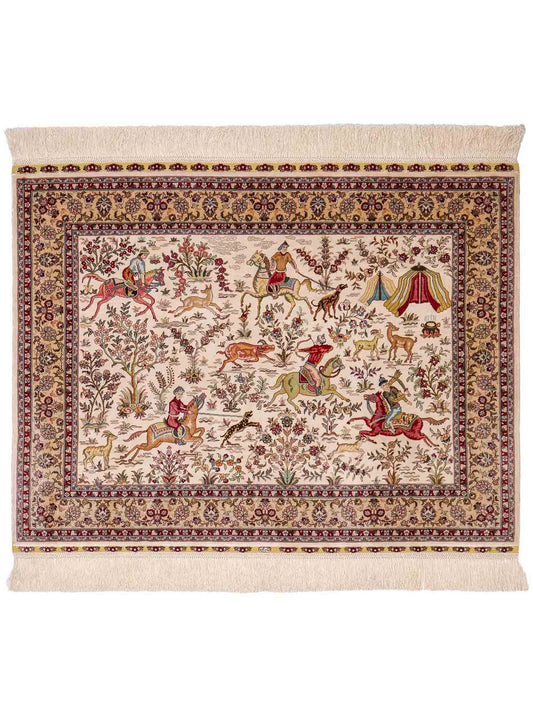
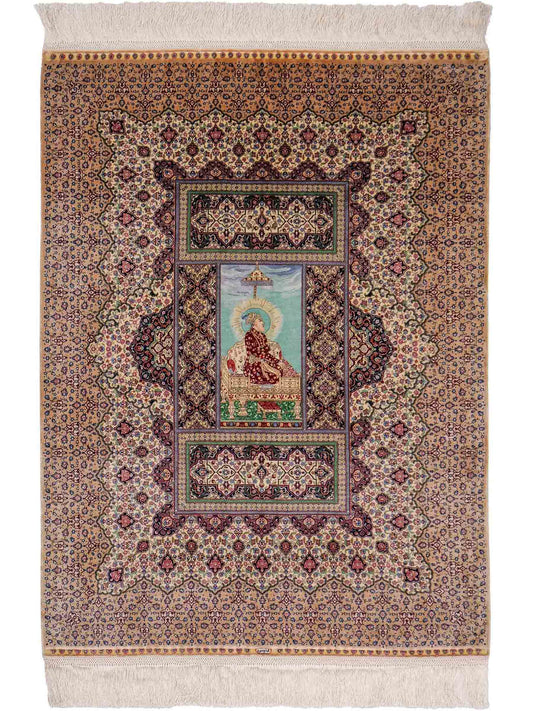
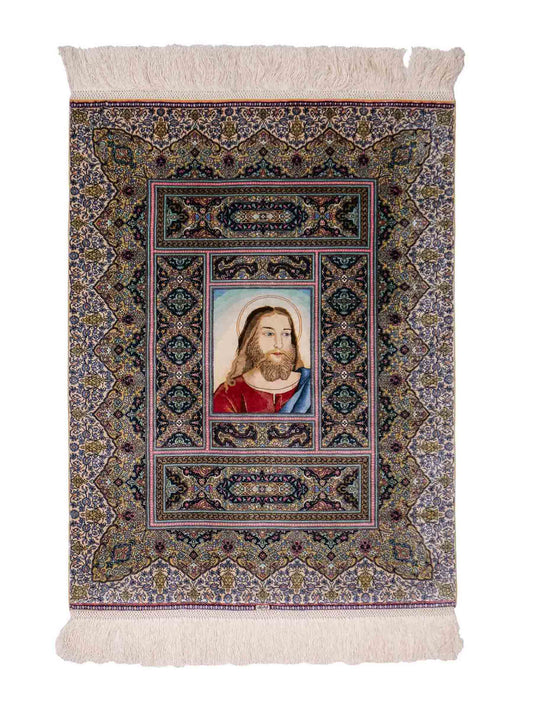
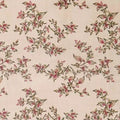
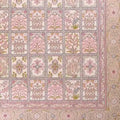
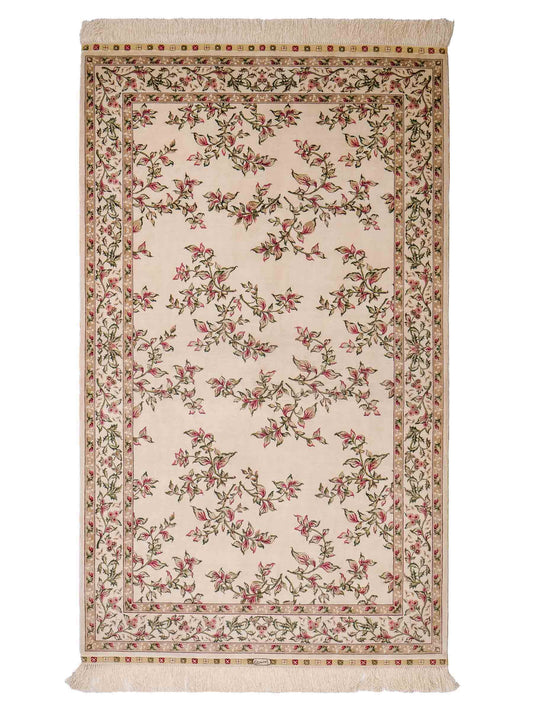
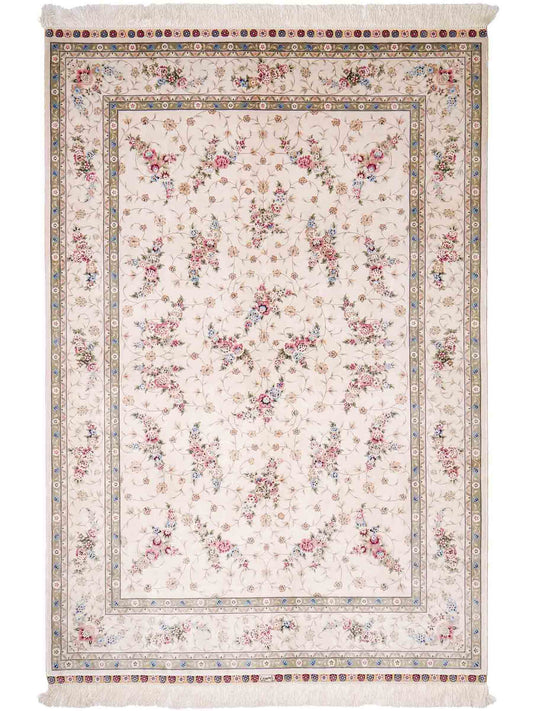
Signed Hereke rugs are admired for their rich pattern diversity and masterful use of colour. Iconic medallion motifs—central or oval—often feature refined Ottoman design elements. These are framed by elaborate networks of arabesques, palmettes, curved tendrils and highly detailed borders depicting blossoms and imaginative paradise‑garden scenes.
Many Hereke rugs transform into pictorial works or miniature tableaus: signed dedications, family emblems and courtly ornaments narrate history, heritage and personal stories. The colour palette includes soft ivory, cream, radiant gold, brilliant turquoise, deep crimson, rich emerald, refined navy and shimmering silver—enhanced by harmonious multicolour gradations. Each signed Hereke rug becomes a textile masterpiece that adorns interiors, enriches collections and captivates generations.
Choosing the Right Size – Signed Hereke Rugs for Floor & Wall
Signed Hereke rugs are available in numerous sizes and formats, ensuring the perfect masterpiece for any room. Large formats such as 300×200 cm, 350×250 cm or 400×300 cm create a striking centrepiece in salons or reception areas. In dining rooms, larger pieces elevate ambience and highlight intricate motifs and vibrant colours.
For intimate spaces or focused accents, medium sizes—150×100 cm, 180×120 cm or 200×150 cm—are ideal. Compact tableaus (60×40 cm, 90×60 cm, 120×80 cm) make elegant wall art, collectible pieces or memorable gifts—especially when the signature is prominently integrated. Runners (250×70 cm or 300×80 cm) create gallery‑like pathways, enriching corridors with artistic refinement.
Tip: Position your Hereke rug so that key sightlines, motifs and especially the signature are clearly visible. With the right size and staging, every signed Hereke becomes not only a value piece but the inspiring centre of your interior. Learn more about choosing the right rug size.
Interior & Styling Tips: How to Showcase a Signed Hereke Rug
A signed Hereke rug unfolds its full splendour as a stand‑alone statement piece—bringing luxury and heritage into any space. As a floor centrepiece in an elegant salon, it draws attention effortlessly; combined with antique or modern velvet furniture, brass accents, mirrored surfaces or golden details, it creates a refined and cohesive visual narrative.
Mounted on the wall—framed as a tableau—a Hereke becomes an exclusive artwork, showcasing intricate motifs and luminous colours with dramatic effect. In bright, contemporary interiors, a Hereke introduces tranquillity and refinement, bridging tradition and modern design. In classical settings, it becomes the heart of the room—a testament to cultivated taste and exceptional craftsmanship.
For bold character and depth, combine a Hereke with complementary hues and contrasting textures—allowing its signature and artistry to command attention and elevate the entire space.
Key Hereke Rugs at a Glance
| Provenance / Type | Material | Knot Density | Special Features |
|---|---|---|---|
| Hereke Oriental Rugs (Turkey, China) | Pure natural silk, fine sheep’s wool | 400,000–1,200,000+ knots/m² | Unique pieces, double knotting, high collector value |
| Signed Hereke Oriental Rugs (Turkey, China) | Finest natural silk | 800,000–1,500,000+ knots/m² | Brilliant sheen, micro‑fine motifs, absolute luxury class |
| Sino Hereke Silk Rugs (China) | Finest natural silk | 500,000–1,200,000+ knots/m² | Perfect craftsmanship, vibrant colours, double knotting, superb luxury value |
| Art Hereke Artificial Silk Rugs (China) | Art silk, viscose | 200,000–900,000 knots/m² | Modern aesthetics, some with double knotting, animal‑free & easy care, outstanding value |
FAQ – Frequently Asked Questions about Signed Hereke Rugs
How does a signed Hereke rug differ from other luxury rugs?
A signed Hereke rug bears the woven signature of its master or atelier, making provenance and authenticity fully traceable. This transparency adds to its rarity and desirability among collectors and connoisseurs, significantly elevating its value.
Where can I find the signature on a Hereke rug?
The signature is usually woven in fine silk or wool lettering in calligraphic form. It is typically placed subtly at the edge of the field, in a corner of the border or as a small cartouche integrated into the design—visible yet unobtrusive.
How do I care for a signed Hereke rug?
Vacuum gently when dry, avoid moisture and long periods of direct sunlight. For deep cleaning, consult professional rug‑care specialists. Learn more about carpet care.
Are Hereke rugs suitable for everyday living?
Hereke rugs are delicate masterpieces originally created for prestigious interiors. While many are robust enough for gentle everyday use, numerous examples are true works of art that deserve special placement. They shine particularly as wall hangings, in salons, galleries or representative rooms where they can be admired without wear.
Are signed Hereke rugs truly investment pieces?
Yes—signed Hereke rugs are widely regarded as strong investment pieces. Their quality, rarity and documented provenance make them highly desirable in the international art and collector market. Well‑preserved, fine signed examples often show stable to rising value. Learn more about value retention.
Do I receive a certificate of authenticity with every Hereke rug?
Yes—at JUPITER Intl, every handmade rug comes with a certificate documenting provenance and materials. Learn more about our certificate of authenticity.
Quality, Price & Service by JUPITER Intl
- Each signed Hereke rug is a hand‑knotted one‑of‑a‑kind piece, selected for workmanship, quality and design
- Transparent provenance: all handmade rugs include a certificate of authenticity
- Fair prices directly from Khademi—no middlemen or misleading “retail prices”
- Wide selection: from exclusive Qom silk rugs, exquisite Nain Persian rugs and modern Ziegler Oriental rugs to handwoven kilims and premium machine‑woven rugs
- Personal consultation regarding provenance, size, material and stylistic considerations
- Secure payment, 31‑day return policy and free returns for your complete satisfaction
Personal Consultation at JUPITER Intl
Looking for the perfect signed Hereke rug, a specific provenance, size or design? Our experienced team is delighted to assist—from expert style advice to sourcing extraordinary one‑of‑a‑kind pieces. Contact us by phone or email, or combine your visit with a tour of our showroom in Hamburg’s historic Speicherstadt—part of the city’s UNESCO World Heritage Site—to experience living history and authentic craftsmanship first‑hand!
More Information & Links
- Design Classic: Hereke Rugs
- Countries of Origin: China – Expression of a Rich Culture
- Countries of Origin: Turkey – Art and Culture in Every Knot
- Carpet Guide: How Do I Properly Care for Hand‑Knotted Rugs?
- Carpet Guide: What to Consider When Choosing Rug Size
- Carpet Guide: How to Identify Hand‑Knotted Rugs
- Carpet Guide: How to Calculate Knot Density
- Carpet Guide: Rug Knot Types Explained
- Carpet Guide: How Sustainable Are Hand‑Knotted Rugs?
- Carpet Guide: Are Hand‑Knotted Rugs a Good Investment?
- Certificate of Authenticity: Your Guarantee for Quality and Authenticity