



















What Is a Tableau Rug?
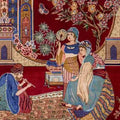
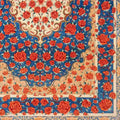
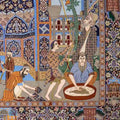
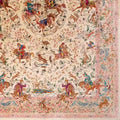
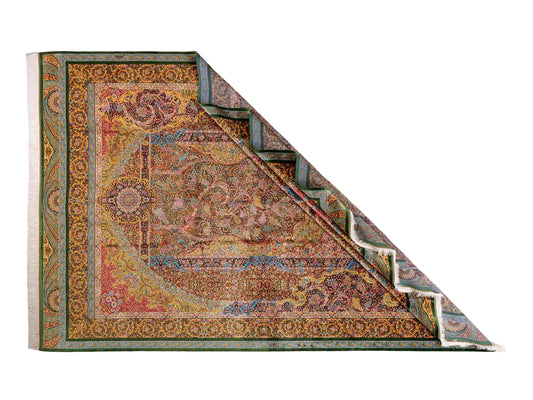
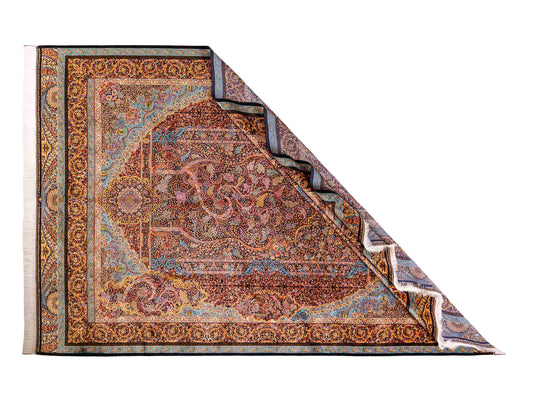
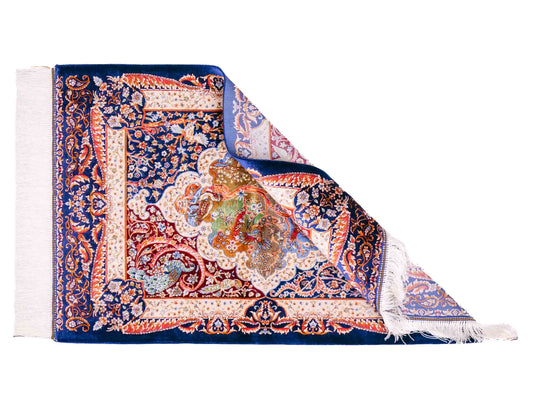
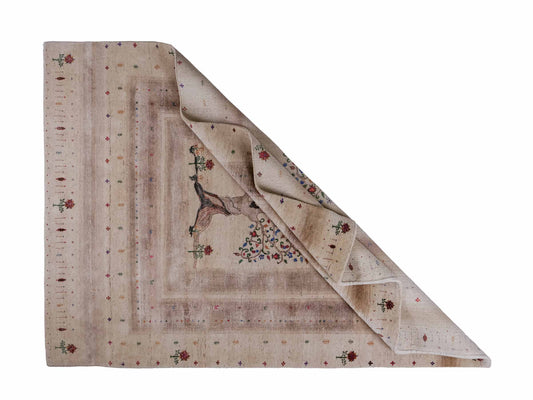
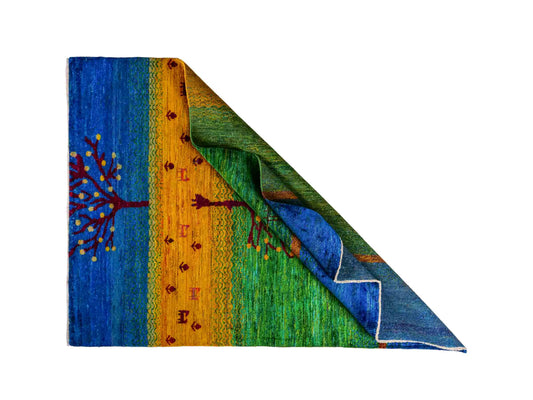
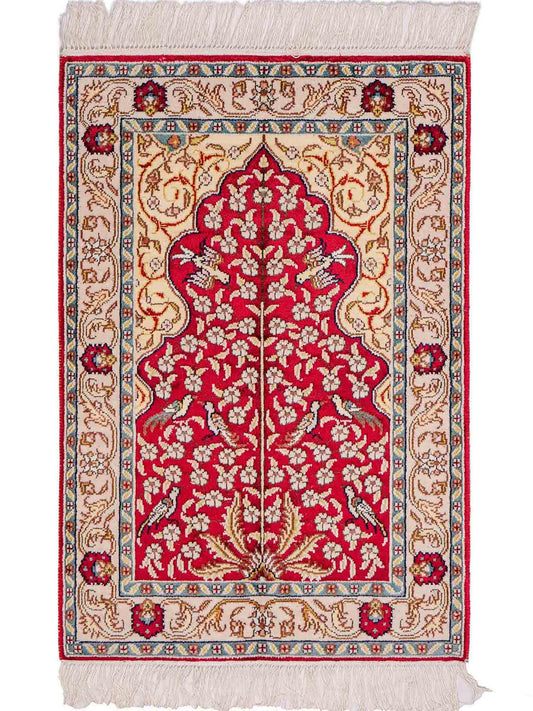
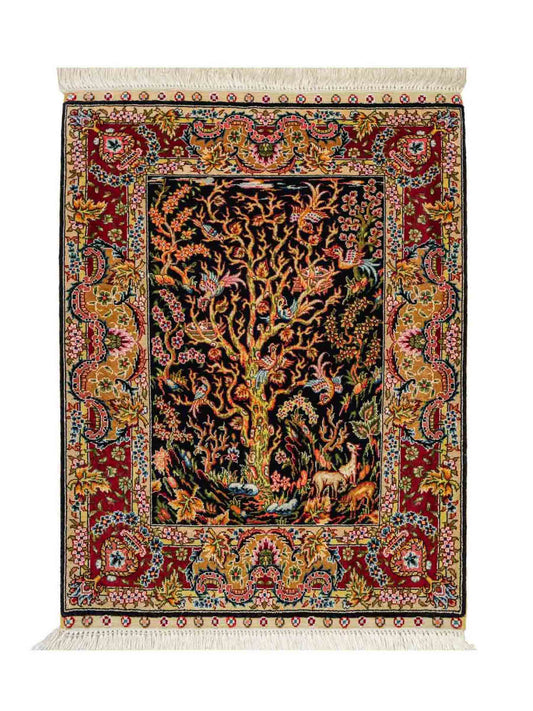
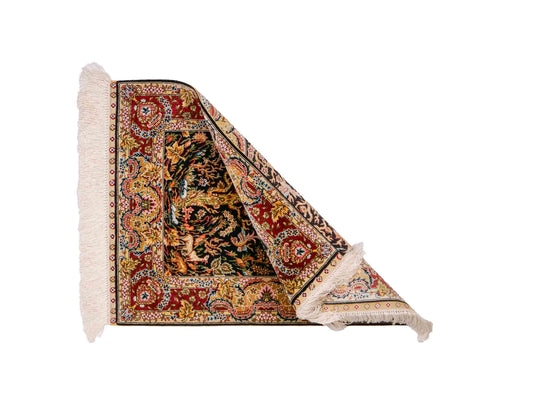
A tableau rug is a highly detailed pictorial carpet—often figurative in design—typically used as an exclusive wall tapestry or artistic wall piece. Unlike traditional Oriental floor rugs, tableau rugs highlight the narrative power of the motif itself—frequently depicting symbolic scenes such as the Tree of Life, hunting scenes or mythological stories. Traditionally hand‑knotted in the famed weaving regions of Persia, India, Turkey, China, Afghanistan or Pakistan, tableau rugs are crafted from fine wool or pure silk and admired for their artistic detail, luminous colours and strong visual presence—making them prized collector pieces.
What Is a Wall Tapestry?
Wall tapestries are exquisite textile artworks created specifically for decorative and artistic wall design. Unlike a classic floor rug, the focus in a wall tapestry lies on its rich, often symbolic imagery—such as the Four Seasons, Garden Paradise scenes, or figurative tableaux. Crafted in fine hand‑knotting or weaving techniques from wool, silk or blends in Afghanistan, China, India, Iran/Persia, Pakistan, and Turkey, these wall artworks enhance acoustics, add stylistic depth and are highly sought after in Oriental, classical and modern interiors.
Pictorial Rugs & Wall Tapestries – Art for Floor and Wall
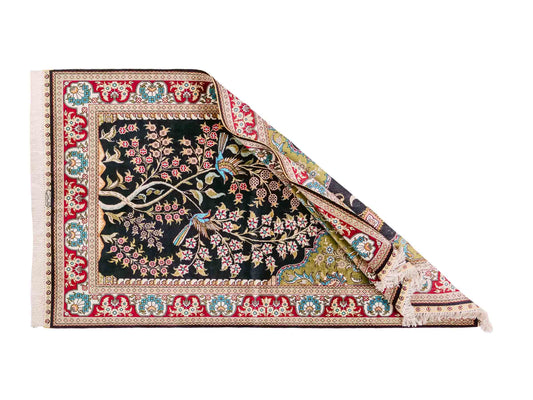
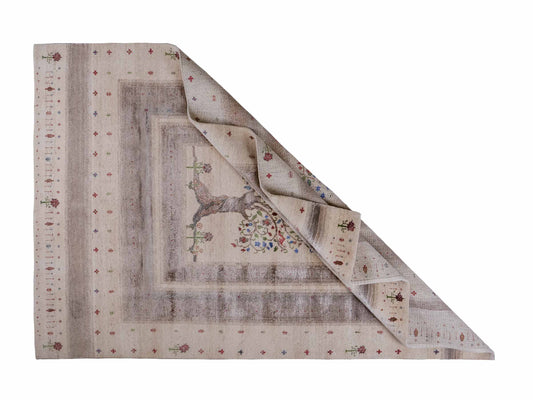
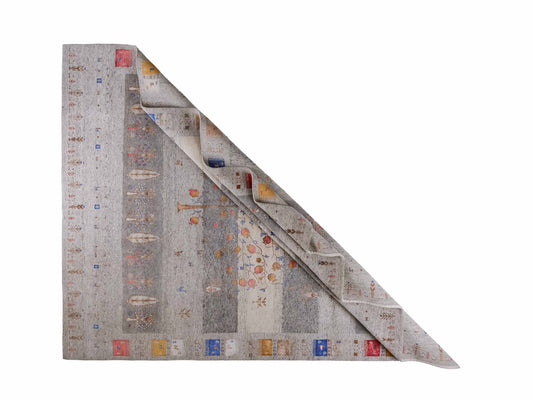
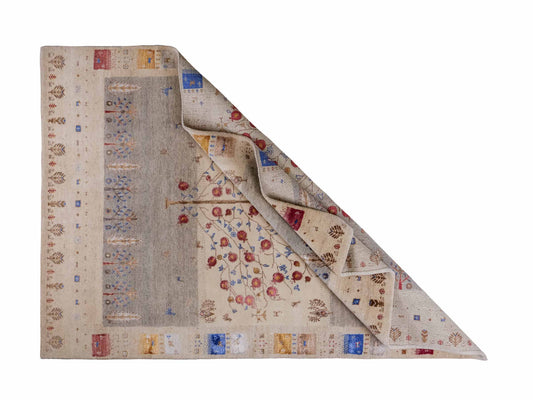
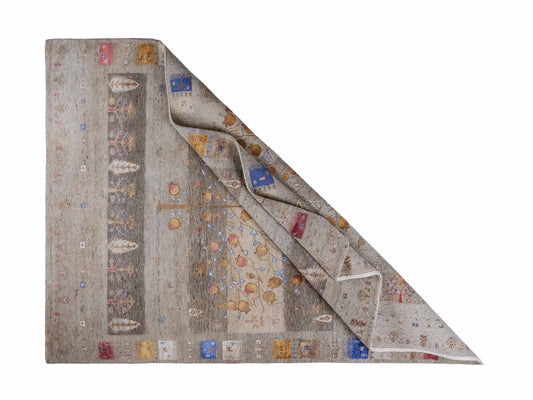
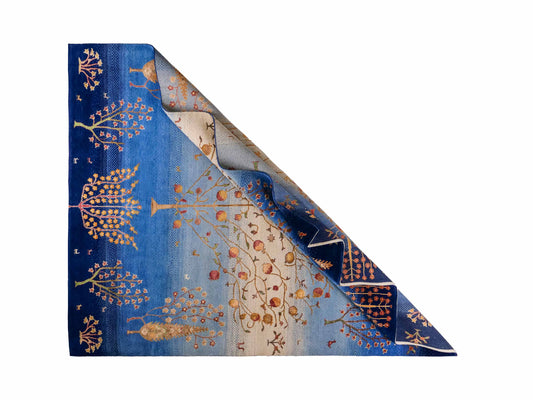
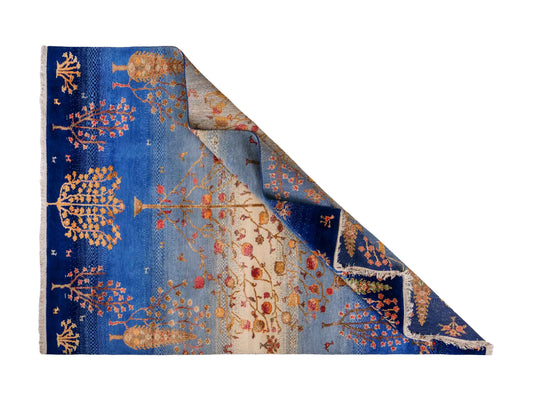
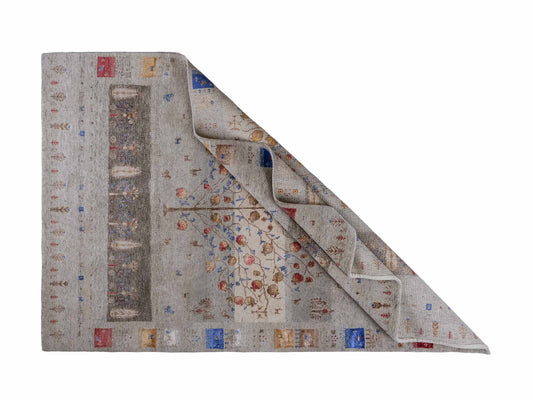
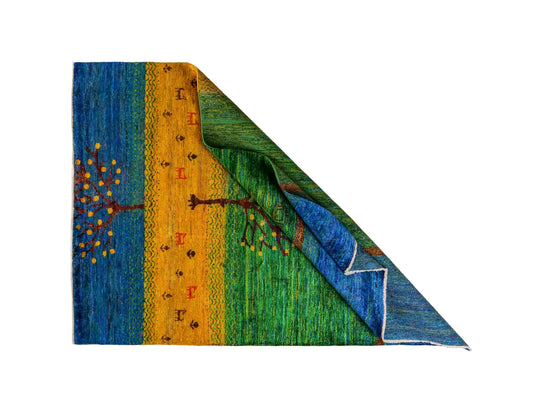
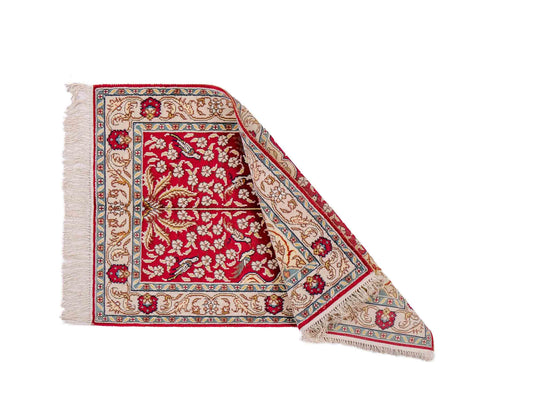
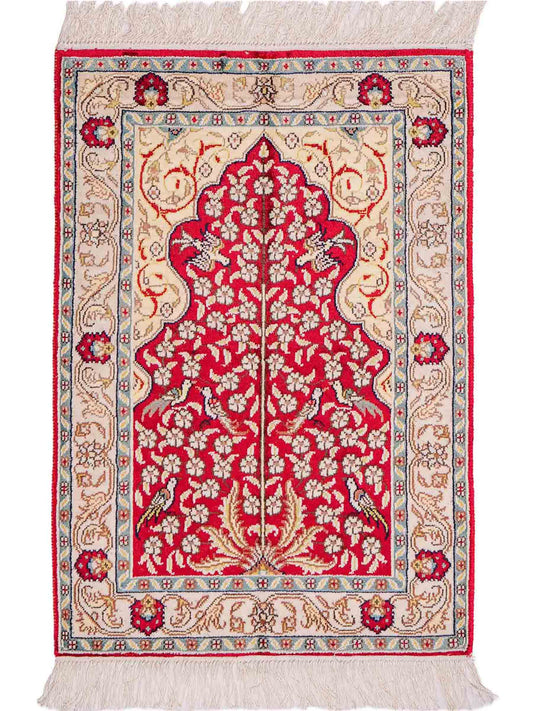
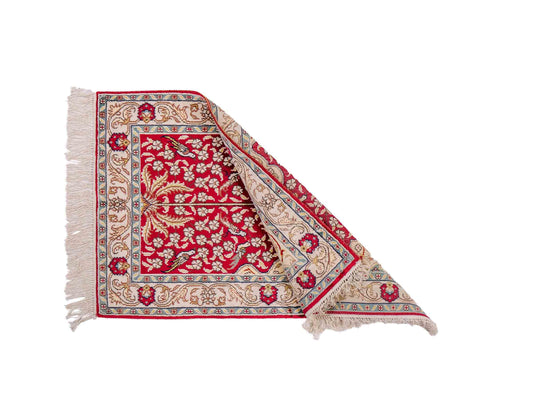
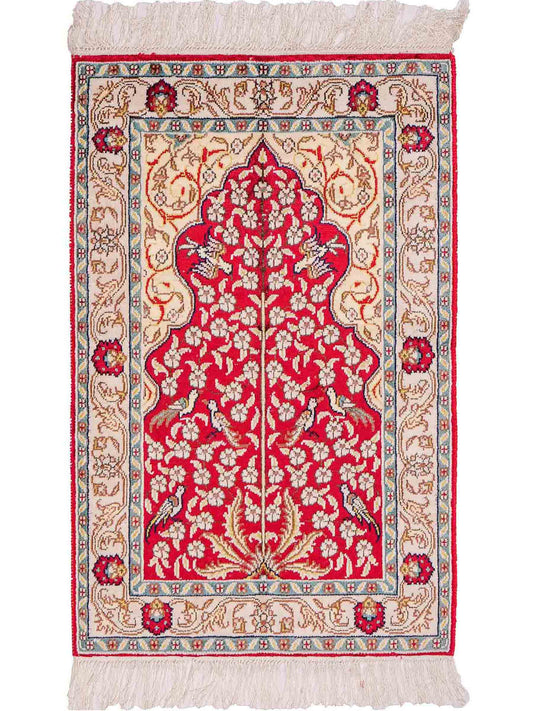
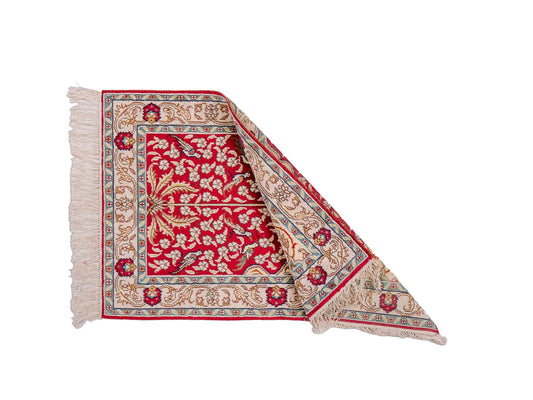
Pictorial rugs and wall tapestries combine masterful Oriental rug craftsmanship with expressive visual storytelling. A Tree of Life pictorial rug unites symbolic depth, artisanal excellence and decorative richness—whether used as a statement floor piece in living or sleeping areas or as an exclusive wall display in foyers, dining rooms or studios. Hand‑knotted in renowned ateliers across Iran, Turkey, India and China, these artworks—made from fine wool or silk—are defined by vivid colours, refined patterns and exceptional artistic presence. Whether you prefer traditional motifs, modern highlights or meaningful symbolism, pictorial and wall tapestries with Tree of Life motif create an inspiring, emotional ambience and reflect your individual style.
What Makes Tree of Life Rugs So Special?
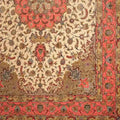
Tree of Life rugs rank among the most meaningful symbolic works in the world of Oriental rugs, Persian rugs, wall tapestries and pictorial rugs. The Tree of Life symbolises happiness, growth, immortality, protection and the connection between heaven and earth—a universal motif that has captivated cultures for millennia. Typical features include ascending branches, artfully detailed leaves, floral elements and animals or birds, all framed by elaborate borders. Hand‑knotted Tree of Life rugs come primarily from Qom, Tabriz, Nain, Kashmir and Hereke, crafted from premium wool or pure natural silk. Versatile as exquisite floor art or meaningful wall pieces, Tree of Life rugs transform any space into one of inspiration, warmth and refined living culture.
FAQ – Frequently Asked Questions about Tree of Life Rugs
What is the symbolism behind the Tree of Life motif?
The Tree of Life symbolises happiness, growth, immortality, protection, the link between earth and heaven and the idea of renewal—one of the oldest and most universally recognised themes across cultures.
Are Tree of Life rugs intended only as floor coverings or also as wall hangings?
Tree of Life rugs are used both as magnificent floor pieces and as exclusive wall tapestries, tableaus or pictorial rugs. Their versatility and symbolic richness make them ideal in either role.
In which cultures is the Tree of Life motif found?
The Tree of Life is one of the world’s oldest and most widespread motifs—found in Oriental, Persian, Afghan, Pakistani and Central Asian rugs as well as in Christian and Jewish artistic traditions.
Where are the finest Tree of Life silk rugs produced?
The most intricate Tree of Life silk rugs originate (or originated) primarily in Iran/Persia, Turkey, China and India—regions with centuries‑old traditions of detailed silk rug weaving by master artisans.
How do I care for a silk Tree of Life rug?
We recommend gentle dry vacuuming and avoiding direct sunlight. For professional cleaning or proper wall mounting, rely on experienced specialists or galleries. Learn more about carpet care.
Do all Tree of Life rugs include a certificate of authenticity?
Yes—at JUPITER Intl, every handmade rug includes a certificate documenting provenance and materials. Learn more about our certificate of authenticity.
Quality, Price & Service by JUPITER Intl
- All Oriental & Persian Tree of Life rugs are hand‑knotted originals, selected for workmanship, quality and design
- Transparent provenance: every handmade rug is supplied with a certificate of authenticity
- Fair prices directly from Khademi—no middlemen or misleading “retail prices”
- Wide selection: from exclusive Qom silk rugs and exquisite Nain Persian rugs to modern Ziegler Oriental rugs, handwoven kilims and premium machine‑made rugs
- Personal consultation on provenance, size, materials and style
- Secure payment, 31‑day return policy and free returns for complete peace of mind
Personal Consultation at JUPITER Intl
Looking for the perfect Oriental or Persian rug with Tree of Life motif—a specific provenance, special format or unique design? Our experienced team is here to assist you—from expert styling advice to sourcing distinctive one‑of‑a‑kind pieces. Contact us by phone or email, or enrich your visit with a stop at our showroom in Hamburg’s historic Speicherstadt—part of the UNESCO World Heritage Site—to experience artistry and tradition up close!
More Information & Links
- Design Classic Rugs
- Countries of Origin: Iran – Persian Perfection from a Master's Hand
- Countries of Origin: China – Expression of a Rich Culture
- Countries of Origin: Afghanistan – Hand‑knotted Stories
- Countries of Origin: Pakistan – A Festival of Motifs & Colours
- Countries of Origin: India – Color, Diversity & Tradition
- Countries of Origin: Turkey – Art & Culture in Every Knot
- Carpet Guide: How Do I Properly Care for Hand‑Knotted Rugs?
- Carpet Guide: What to Consider When Choosing Rug Size
- Carpet Guide: How to Identify Hand‑Knotted Rugs
- Carpet Guide: How to Calculate Knot Density
- Carpet Guide: What’s the Difference Between Knot Types?
- Carpet Guide: How Sustainable Are Hand‑Knotted Rugs?
- Carpet Guide: Are Hand‑Knotted Rugs a Good Investment?
- Certificate of Authenticity: Your Guarantee for Quality and Authenticity