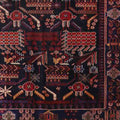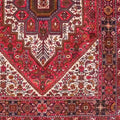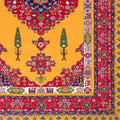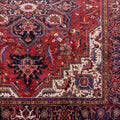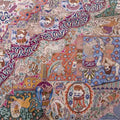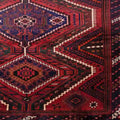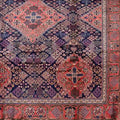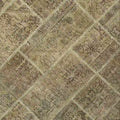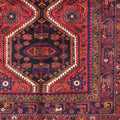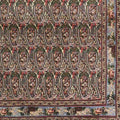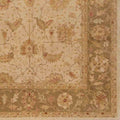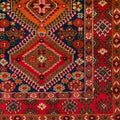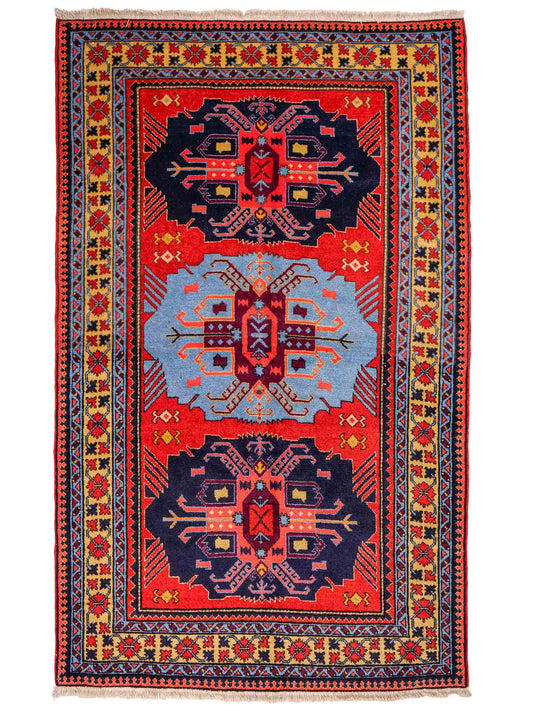

Ardabil rugs are among the finest and most cultivated expressions of Persian weaving. High knot density, intricate medallion compositions, and characteristic botanical motifs combine to create a clear, elegant visual language. Their regional origin, craftsmanship, and material quality make them durable and aesthetically refined interior pieces.
Ardabil Rugs: Key Facts at a Glance
- Origin: City of Ardabil, northwestern Iran
- Material: high‑quality wool, occasional silk, natural dyes
- Design: medallions, floral borders, botanical & geometric motifs
- Knot Density: typically above 300,000 knots/m²
- Character: fine, elegant, long‑lasting
- Care: gentle cleaning, avoid direct sunlight
Discover Ardabil Rugs – View the Collection
Origin & History of Ardabil Rugs
Geographical Characteristics
Ardabil lies in a mountainous region of northwestern Iran. Its climate, fertile soils, and centuries‑old tradition of sheep farming shape the high‑quality wool used for these carpets.
Historical Context
Rug production in Ardabil dates back to the Safavid era of the 16th century. The renowned mausoleum of Sheikh Safi‑ad‑din serves as a historical reference point. Many motifs, colors, and techniques have been handed down through generations and preserved to this day.
Manufacturing & Distinctive Features
Traditional Craftsmanship
Ardabil rugs are created using traditional handwork, regional wool, and natural dyes. Multi‑stage processes — washing, dyeing, design development, knotting, and finishing — result in high material density and precise, fine structures.
Knot Density & Fineness
Knot densities typically exceed 300,000 knots/m². This allows for delicate floral motifs, clear medallions, and smooth, compact surfaces.
Cultural Importance
Weaving is an important economic foundation of the region. Many workshops are family‑run and contribute significantly to local cultural identity.
Motifs & Designs of Ardabil Rugs
Typical features include:
- central medallions
- detailed botanical borders
- floral arabesques
- harmonious, saturated colors (red, blue, gold, ivory)
Regional Style Variations
Within the Ardabil region, design preferences vary. Some families specialize in particularly fine medallions, others in strong color combinations or floral allover compositions.
Carpets Compared: Hamadan · Bijar · Ardabil · Sarouk
| Criteria | Hamadan | Bijar | Ardabil | Sarouk |
|---|---|---|---|---|
| Origin | Northwestern Iran | Western Iran (Kurdistan) | Northwestern Iran (Ardabil) | Central Iran (Sarouk) |
| Material | Wool, cotton | Fine wool, cotton | Wool, cotton | Fine wool, cotton |
| Knot Density | 100,000–300,000 knots/m² | 250,000–600,000 knots/m² | 300,000+ knots/m² | 160,000–400,000 knots/m² |
| Design | Medallions, floral | Geometric, floral | Large medallions, botanical borders | Floral, medallions |
| Color Palette | Red, blue, beige | Earth tones, dark red, blue | Gold, red, blue | Rose, red, blue |
| Character | Versatile, robust | Extremely durable | Fine, elegant, balanced | Detailed, long‑lasting |
Checklist: How to Identify Authentic Ardabil Rugs
- proof of origin or certificate
- fine, even wool (rarely silk)
- knot densities typically above 300,000 knots/m²
- large medallions & harmonious borders
- radiant, naturally dyed tones
- handcrafted fringes
Care & Preservation
- vacuum gently and regularly
- treat stains with care
- avoid direct sunlight
- professional cleaning every 1–2 years
Learn more: How to Care for Hand‑Knotted Rugs
Styling Ideas
Ardabil rugs pair beautifully with wood, muted color palettes, and clean modern lines. Their fine patterns work especially well in living and reception rooms, dining areas, or classic interiors with warm materials.
Value & Context
Ardabil rugs generally fall within the lower to mid‑price segment. Their value depends — as always — on motif quality, material, condition, and provenance. Individual pieces may appeal to collectors, though appreciation cannot be guaranteed.
Learn more: Are Hand‑Knotted Rugs a Good Investment?
FAQ – Ardabil Rugs
What Characterizes an Ardabil Rug?
► High knot density, fine medallion motifs, botanical borders, and traditional natural dyes.
How Should an Ardabil Rug Be Cared For?
► Vacuum gently, avoid direct sunlight, and have it professionally cleaned occasionally.
Are Ardabil Rugs Value‑Stable?
► Depending on origin, condition, and motif quality, they may be of interest to collectors — without guaranteed appreciation.
Conclusion
Ardabil rugs represent one of the finest Persian weaving traditions. Their motifs, colors, and craftsmanship reflect cultural depth, precision, and subtle elegance. They complement a wide range of interiors, bringing structure, warmth, and tradition to any space.
Discover Our Range of Ardabil Rugs.