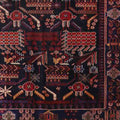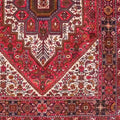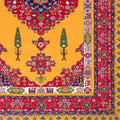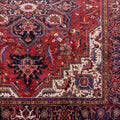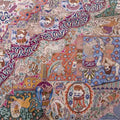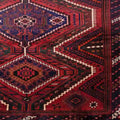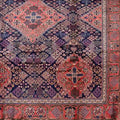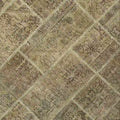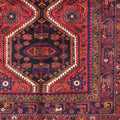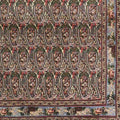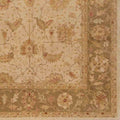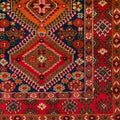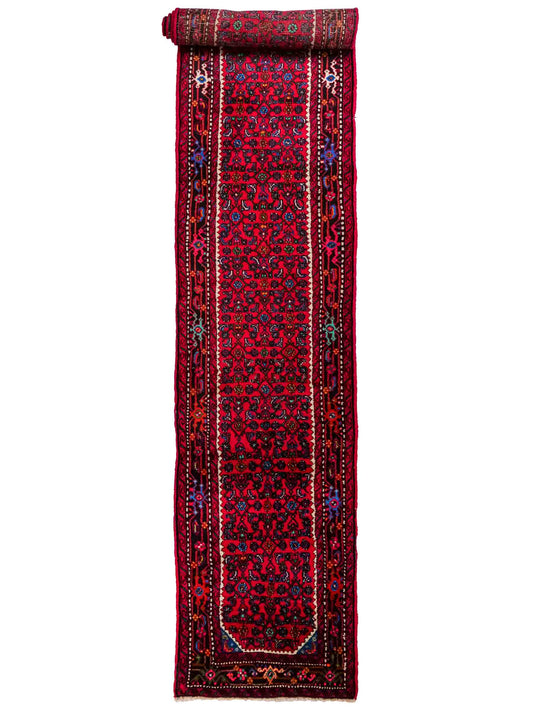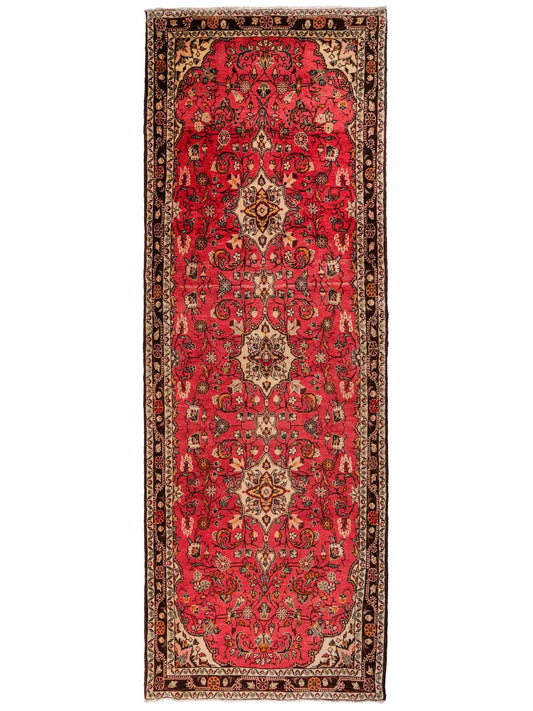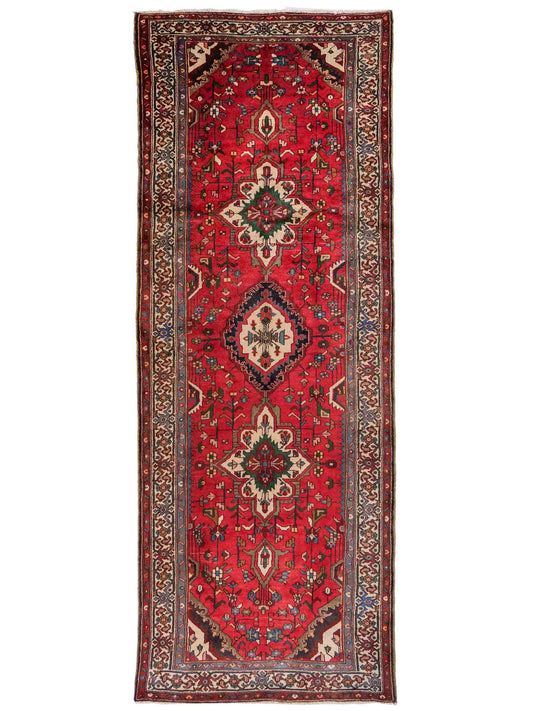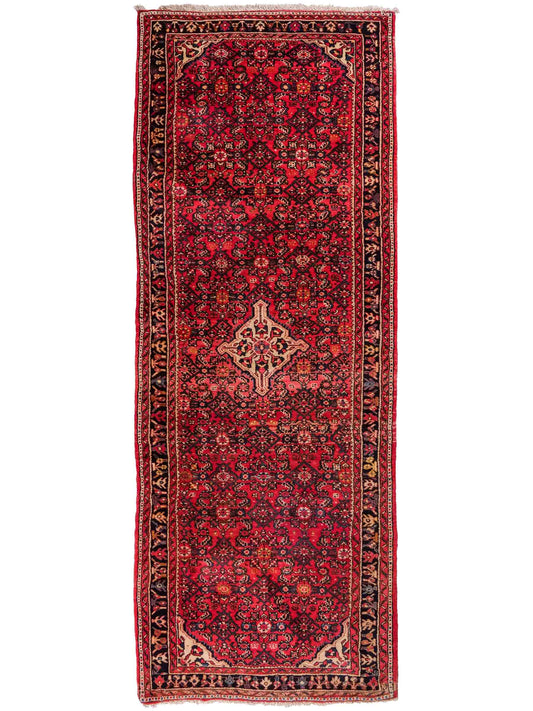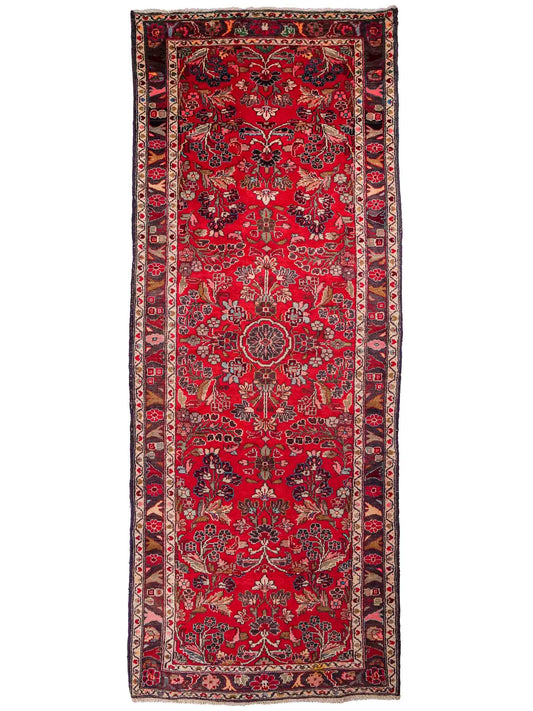

Hamadan rugs rank among the most traditional weaving regions of Iran. They combine resilient materials, clear patterns, and deeply rooted regional craftsmanship. Their versatility allows them to enhance both classic and contemporary interiors—making them reliable, long‑lasting companions in everyday living.
Hamadan Rugs: Key Facts at a Glance
- Origin: historic city of Hamadan in northwestern Iran
- Materials: durable hand‑spun wool, cotton warp, natural dyes
- Patterns: geometric and floral designs
- Knot density: approx. 100,000–300,000 knots/m²
- Character: robust, versatile, structurally defined
- Care: easy to maintain and long‑lasting
Discover Hamadan rugs – view the collection
Origin, History & Significance of Hamadan Rugs
Geographic and Historical Background
Hamadan is one of Iran’s oldest cities and was a vital center of trade and textile production for centuries. Its weaving heritage grew out of diverse regional traditions, practiced in both village workshops and urban manufactories.
Cultural Importance
Hamadan rugs express a strong sense of regional identity. Many pieces are passed down within families and remain integral to domestic life. The local weaving tradition continues to support artisanal structures and cultural continuity.
Weaving, Knotting Techniques & Sustainability
Production Process
- Material selection: resilient regional wool
- Dyeing: frequently natural pigments derived from plants and minerals
- Knotting: dense, durable hand‑knotting
- Finishing: careful washing, hand‑finished edges and fringes
Knot Density
Typical Hamadan rugs feature around 100,000–300,000 knots/m², with some finely executed examples reaching higher counts. Increased knot density allows for more detailed motifs and a smoother surface.
Sustainability
Many workshops rely on local raw materials and traditional techniques. Natural dyes, handcraft, and regional production contribute to a resource‑conserving, environmentally considerate process.
Learn more: How Sustainable Are Hand‑Knotted Rugs?
Diverse Designs & Color Palettes
Hamadan rugs vary widely in design and coloration. Common elements include:
- geometric forms
- floral allover patterns
- medallions
The color palette spans vibrant reds and blues, muted earth tones, and combinations of beige, ochre, and cream. Their clear lines make them as compelling in modern spaces as in more traditional interiors.
Rugs in Comparison: Hamadan · Bijar · Ardabil · Sarouk
| Criterion | Hamadan | Bijar | Ardabil | Sarouk |
|---|---|---|---|---|
| Origin | Northwest Iran (Hamadan) | Western Iran (Kurdistan) | Northwest Iran (Ardabil) | Central Iran (Sarouk) |
| Materials | Wool, cotton warp | Fine wool, cotton | Wool, cotton | Fine wool, cotton |
| Knot density | 100,000–300,000 knots/m² | 250,000–600,000 knots/m² | 100,000–300,000 knots/m² | 160,000–400,000 knots/m² |
| Design | Medallions, floral, allover | Geometric, floral, allover | Medallions, floral | Allover, medallions, floral |
| Color palette | Red, blue, beige, ochre | Earth tones, dark red, blue | Golden yellow, red, blue | Rose, red, blue, ivory |
| Character | Robust, versatile | Extremely durable | Lightweight, versatile | Highly detailed |
Checklist: How to Identify Genuine Hamadan Rugs
- Hand‑knotted construction; pattern visible on the reverse
- Wool without artificial sheen
- Clearly defined motifs and precise borders
- Knot density approx. 100,000–300,000 knots/m²
- Hand‑finished fringes
- Recommended: proof of origin or certificate of authenticity
Care & Maintenance
- Vacuum gently and regularly
- Blot stains carefully
- Avoid direct sunlight
- Professional cleaning every 1–2 years
More in our guide: How Do I Properly Care for Hand‑Knotted Rugs?
Practical Interior Tips
- Include at least one‑third of the room’s floor area
- Coordinate colors and motifs with furniture or wall tones
- Also suitable as wall hangings or accent pieces
- Ideal for hallways and entrances thanks to their durability
Value & Context
Hamadan rugs are among the more accessible Persian provenances. Their value depends— as always—on condition, origin, material quality, and precision of design. Many pieces develop a distinctive patina over time, enhancing their aesthetic appeal.
Further guidance: Are Hand‑Knotted Rugs a Good Investment?
FAQ – Hamadan Rugs
What Characterizes Genuine Hamadan Rugs?
► Traditional motifs, robust wool, precise knotting, and a clear regional signature.
How Should I Care for My Hamadan Rug?
► Vacuum gently, blot stains, avoid direct sunlight, and arrange occasional professional cleaning.
Are Hamadan Rugs Durable?
► Yes. With proper care, Hamadan rugs can endure for many years and are often passed down through generations.
Are Hamadan Rugs Suitable for Modern Interiors?
► Absolutely— their clear motifs and balanced colors harmonize with minimalist and contemporary interiors as well as with classic settings.
Conclusion
Hamadan rugs combine traditional motifs and resilient materials with a clear, timeless aesthetic. They are versatile, durable, and complement a wide range of interior concepts—from contemporary lofts to classic homes. Their regional origins and artisanal precision lend each piece individuality and cultural depth.
Discover our Hamadan rugs.