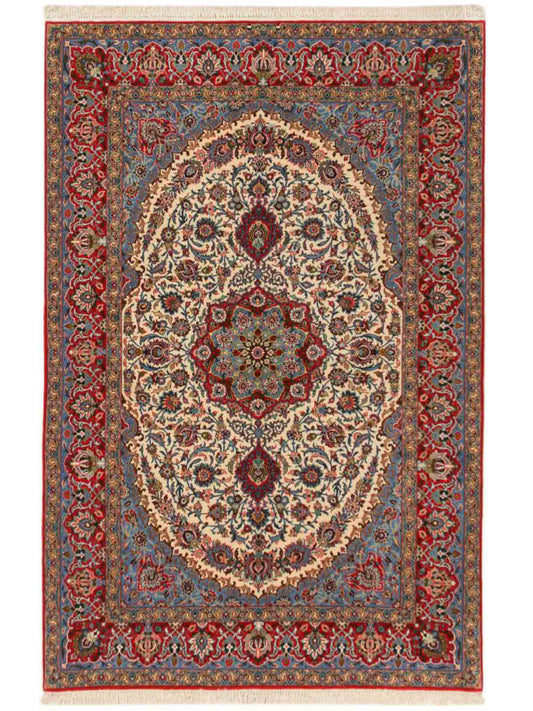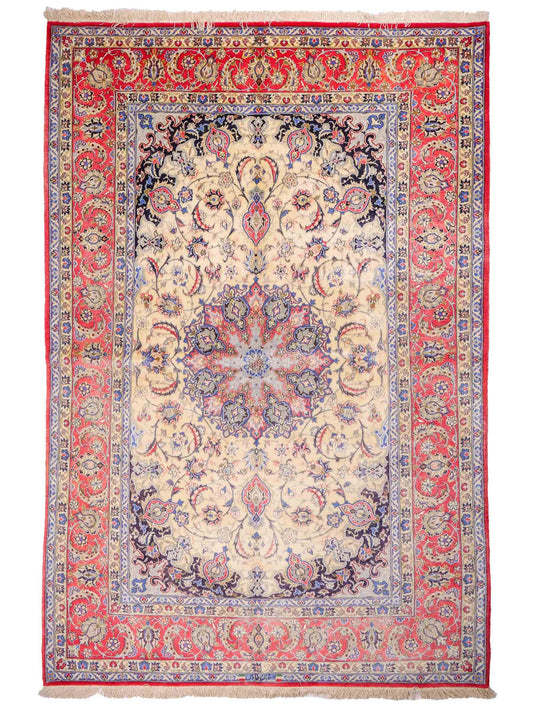

Isfahan rugs are among the most influential classics of Persian weaving. They unite delicate ornamentation, the finest materials, and a visual balance shaped over centuries. This guide explores their origin, history, designs, care, and cultural relevance.
Isfahan Rugs: Key Facts at a Glance
- Origin: Isfahan, historic cultural center of Persia
- Material: very fine wool, silk highlights
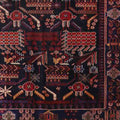
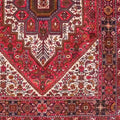
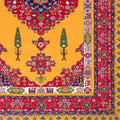
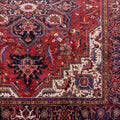
- Designs: medallions, floral arabesques, geometric fields, pictorials
- Knot Density: typically 600,000 to over 1,400,000 knots/m²
- Character: extremely precise, elegant, harmonious
- Care: professional cleaning recommended
Discover Isfahan Rugs – View the Collection
Geography & Origin
Located in central Iran, Isfahan is set within a landscape of fertile plains and surrounding mountain ranges. For centuries, the city has been a political, cultural, and artistic center. Its architecture — including Naqsh‑e Jahan Square — remains an enduring source of inspiration for regional rug patterns.
History: From the Safavid Court to Global Acclaim
During the Safavid dynasty (from 1501 onward), Isfahan became the heart of Persian art. Royal workshops shaped the development of highly refined motifs, innovative color palettes, and formal precision. Since the 19th century, Isfahan rugs have been internationally sought‑after cultural objects and icons of Persian ornamentation.
Social & Economic Significance
In Isfahan, rug making remains a family‑based craft. Many workshops operate across generations, preserving historic pattern books. Rugs accompany celebrations and rituals and symbolize cultural identity. Economically, rug production plays a significant role in the region’s exports.
Manufacturing & Knotting Technique
- Material: fine wool, often combined with silk
- Dyeing: natural dyes from plants and minerals
- Knotting: asymmetric Persian knot; 600,000–1,400,000 knots/m²
- Finishing: washing, shearing, border work
Designs & Colors: Precise Harmony
Characteristic features include:
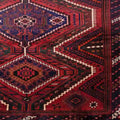
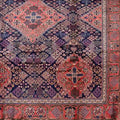
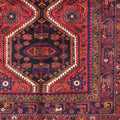
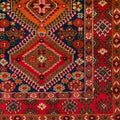
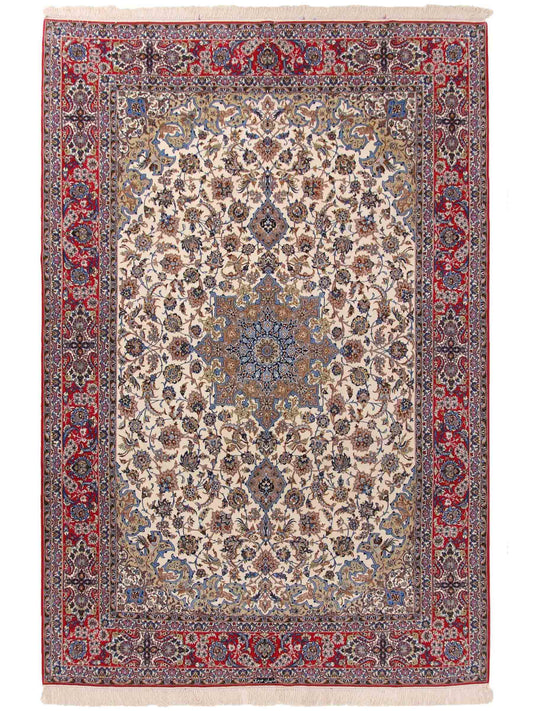
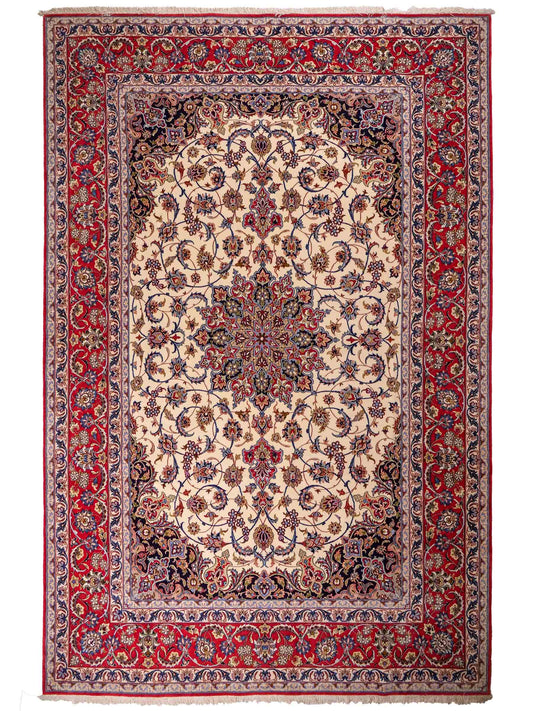
- central medallions
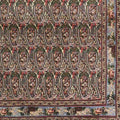
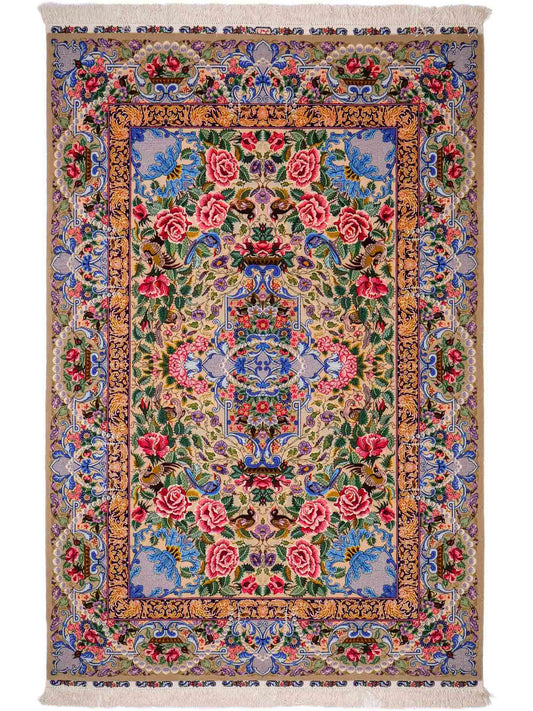
- floral arabesques & vines
- geometric structure fields
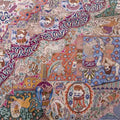
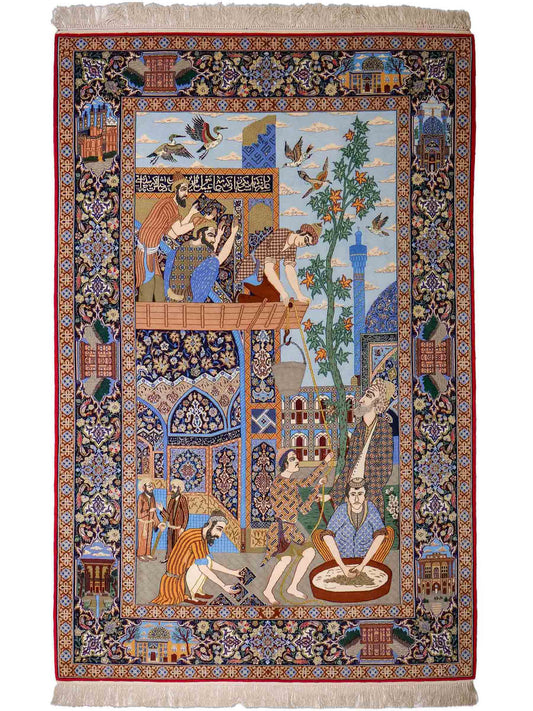
- pictorial tableau scenes
Color Palette
- Red: warmth, vitality
- Blue: depth, clarity
- Gold: festivity, decorative accents
- Green: natural reference
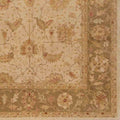
- Cream tones: calm background areas
Isfahan Rugs in Comparison
| Criteria | Isfahan | Nain | Tabriz | Qom |
|---|---|---|---|---|
| Material | Fine wool + silk | Fine wool + silk | Wool + silk | Silk |
| Knot Density | 600,000–1,400,000 knots/m² | 200,000–1,200,000 knots/m² | 150,000–1,200,000 knots/m² | 300,000–1,600,000 knots/m² |
| Motifs | Medallion, floral, pictorial | Floral, arabesque | Floral, geometric, tableau | Floral, spiritual, tableau |
| Surface | Fine, slight sheen | Soft, silky | Smooth | High‑gloss |
| Price Segment | High‑end | Mid to high | Mid to high | High / luxury |
Checklist: How to Identify Authentic Isfahan Rugs
- fine wool with silk highlights
- knot density from approx. 600,000 knots/m²
- clean, flawless reverse side
- harmonious color transitions
- precise floral & geometric motifs
- certificate of authenticity recommended
Care & Preservation
- vacuum gently
- blot stains immediately
- avoid direct sunlight
- professional rug cleaning
More information: How to Care for Hand‑Knotted Rugs
Interior Design Tips
Isfahan rugs suit elegant classical spaces as well as contemporary interiors where they function as vibrant focal points. They are especially striking in large living areas, high‑ceilinged rooms, and in harmony with wood, brass, or warm wall colors.
Investment & Context
Isfahan rugs rank among the most prestigious provenances. Their collectible value is determined by fineness, material quality, condition, and motif complexity. Appreciation is possible but always dependent on market conditions.
Learn more: Are Hand‑Knotted Rugs a Good Investment?
FAQ – Isfahan Rugs
What Makes Isfahan Rugs Special?
► Exceptional fineness, harmonious designs, and balanced ornamentation.
How Can I Identify a Genuine Isfahan?
► Premium materials, a refined reverse side, clear motifs, and a certificate of authenticity.
Are Isfahan Rugs Suitable for Everyday Use?
► Yes — they are durable interior pieces when properly cared for.
Conclusion
Isfahan rugs represent some of the most artistic expressions of Persian weaving. Their delicate ornamentation, fine materials, and serene color harmony make them timeless interior pieces — both decorative and culturally significant.
Discover Our Range of Isfahan Rugs.