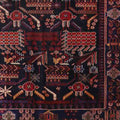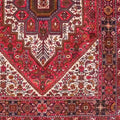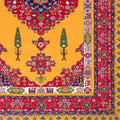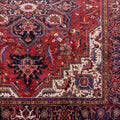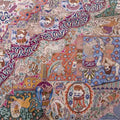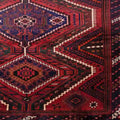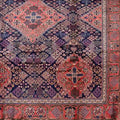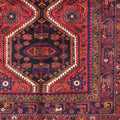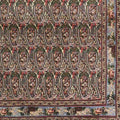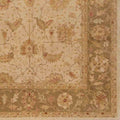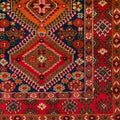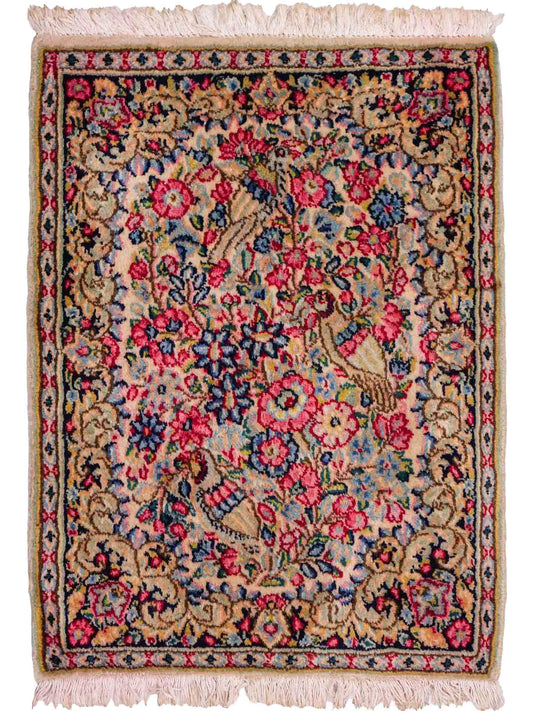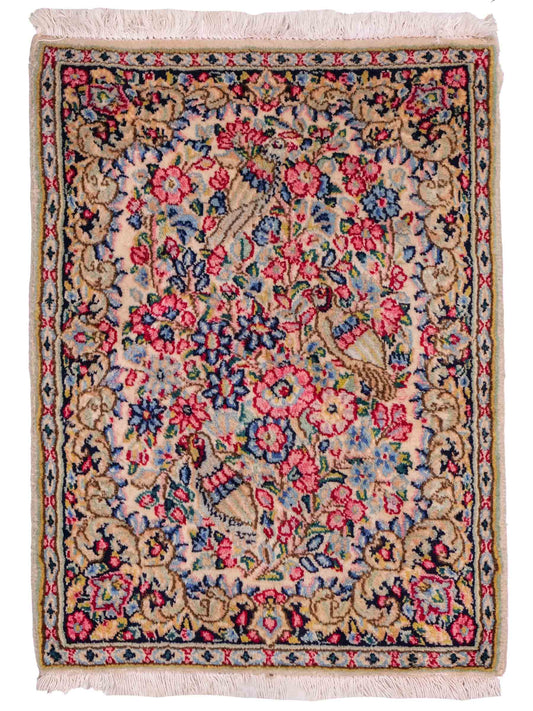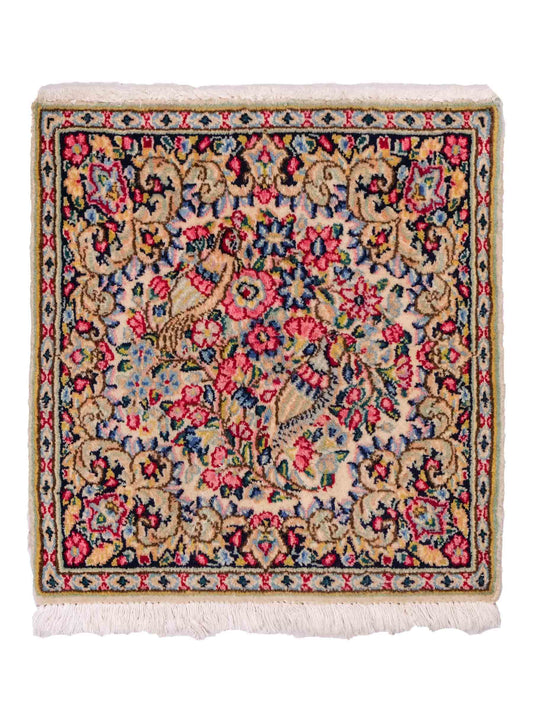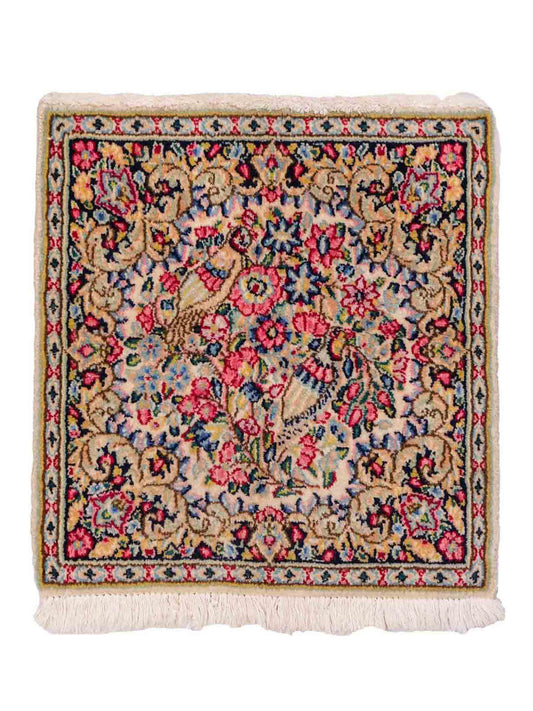

Kerman rugs are among the most historically significant Persian provenances. Their floral compositions, fine knot densities and nuanced color worlds have shaped the textile art of southeastern Iran for centuries. This guide outlines their origin, history, designs, materiality and value‑defining characteristics.
Kerman Rugs: Key Facts at a Glance
- Origin: Kerman, southeastern Iran
- Material: high‑quality wool, some silk
- Knot Density: approx. 160,000–1,200,000 knots/m²
- Designs: floral ornaments, medallions, geometric structures
- Colors: red, blue, beige tones, green, earth tones
- Character: detailed, color‑rich, sought after by collectors
Discover Kerman Rugs – View the Collection
Origin & History
Kerman developed into a cultural crossroads due to its location on historic trade routes. As early as the Safavid period, rug production flourished — the region’s workshops became renowned for fine, color‑rich and complex designs.
Cultural Significance
Kerman rugs have traditionally been considered prestigious and were often used as wedding gifts or representative household textiles. Many workshops have existed for generations, shaping both the identity and economy of the region. Women play a central role in weaving — their expertise forms the foundation of local craftsmanship.
Manufacturing & Knotting Technique
- Material: fine wool, occasionally silk for accents
- Dyeing: natural dyes from plant and mineral sources
- Knotting: asymmetric Persian knot; up to 1,200,000 knots/m²
- Finish: washing, shearing, sun‑drying and hand‑finished borders
Patterns, Designs & Color Palette
Classic Designs
- Floral motifs: fine vegetal ornamentation
- Medallions: richly articulated central compositions
- Geometric structures: clear frames and mirror layouts
Traditional Color Palette
- Red: from ruby to burgundy
- Blue: sky blue to deep indigo
- Beige & cream: calm, harmonious
- Green & earth tones: natural, balanced
Design Classics Compared
| Characteristic | Ilam | Kerman | Kashan | Moud |
|---|---|---|---|---|
| Origin | Western Iran | Kerman Province | Isfahan / central Iran | South Khorasan |
| Material | Wool | Wool | Wool, some silk | Wool |
| Knot Density | 200,000–300,000 knots/㎡ | 160,000–1,200,000 knots/㎡ | 120,000–600,000 knots/㎡ | 160,000–300,000 knots/㎡ |
| Design | Floral, geometric | Floral, medallion, mirror motifs | Floral, medallion | Allover, mandala, floral details |
| Colors | Red, blue, earth tones | Red, blue, beige | Red, blue, green | Red, blue, earth tones |
| Special Features | Authentic & color‑rich | High fineness, detailed | Classic Persian aesthetics | Structured, clear, detailed |
Checklist: How to Identify Authentic Kerman Rugs
- fine wool, some silk
- plant‑based natural dyes
- knot density from approx. 160,000 knots/m²
- precise floral structures, clearly defined reverse side
- hand‑finished edges & fringes
- certificate or proof of origin
Interior Design Tips
Kerman rugs act as powerful design anchors — in classic living rooms, as vibrant accents in contemporary interiors, or in spacious environments with warm natural materials. Their palette harmonizes beautifully with wood, brass or textured fabrics.
Care
- vacuum gently
- avoid direct sunlight
- blot stains carefully
- professional cleaning as needed
Learn more in the Care Guide.
Value & Investment
Fine Kerman rugs are considered an established and collector‑favored provenance. Value is driven by material quality, knot density, condition and design complexity. While appreciation is never guaranteed, high‑quality pieces remain in steady demand.
More information: Are Hand‑Knotted Rugs a Good Investment?
FAQ – Kerman Rugs
What Is Typical of Kerman Rugs?
► Their fine floral motifs, high knot density and warm, harmonious color worlds.
Which Materials Are Used?
► Primarily high‑quality wool; in finer pieces, silk is used for accents and added detail.
How Durable Are Kerman Rugs?
► With proper care they are exceptionally long‑lasting and retain their color brilliance for decades.
How Can I Identify a High‑Quality Piece?
► By the fineness of the knotting, harmonious color transitions, clean edge work and a clearly readable reverse side.
Are Kerman Rugs of Interest to Collectors?
► Fine, well‑preserved or rare examples may hold significant collector potential.
Conclusion
Kerman rugs unite artisanal precision, cultural depth and balanced, often color‑intense ornamentation. Their harmony, quality and provenance make them timeless interior pieces with lasting aesthetic presence.
Discover Kerman Rugs – View the Collection