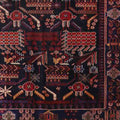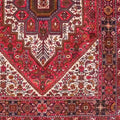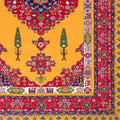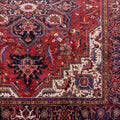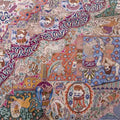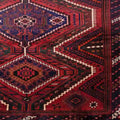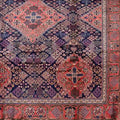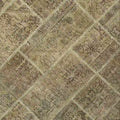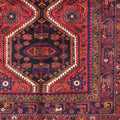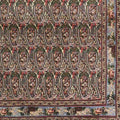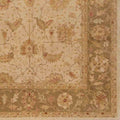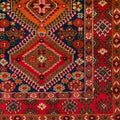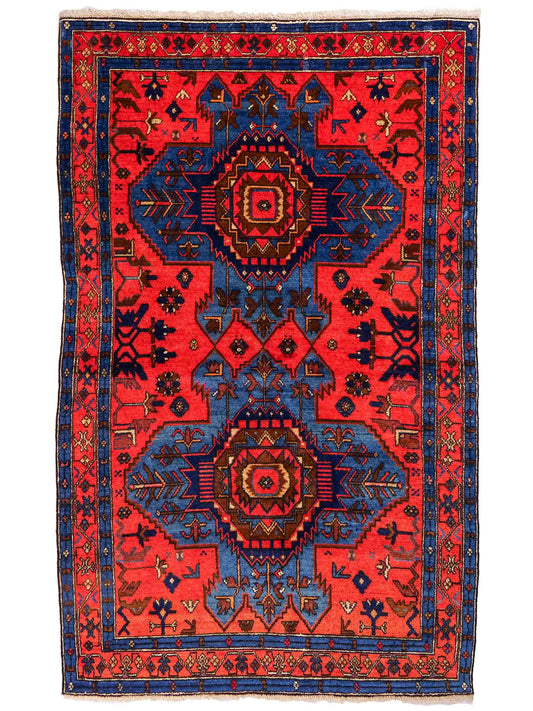

Malayer rugs rank among the most characterful village and regional rugs of Iran. They combine solid craftsmanship with patterns and colors typical of their locale. Their rustic elegance makes them highly versatile—from classic interiors to contemporary living concepts.
Malayer Rugs: Key Facts at a Glance
- Origin: City of Malayer and surrounding villages in Hamadan province
- Materials: high‑quality wool, occasional silk, natural dyes
- Patterns: geometric motifs, floral details, medallions
- Knot density: approx. 150,000–250,000 knots/m²
- Character: rustic, artful, regionally distinctive
- Care: durable and easy to maintain
Discover Malayer rugs – view the collection
Origin, History & Cultural Significance
Geographic Features
The Malayer region is characterized by fertile landscapes and a temperate climate—ideal conditions for high‑quality sheep farming. The resulting wool is renowned for its strength and natural sheen. Traditional dyes derived from herbs, roots, and plants form the foundation of the local palette.
Historical Development
Malayer’s weaving tradition dates back several centuries and evolved into a regionally significant craft as early as the Safavid period. The designs combine geometric structures with floral elements—a distinctive signature that remains influential.
Cultural Significance
Malayer rugs are often passed down within families and embody regional identity. Weaving continues to provide essential income for many households, and numerous families remain active in the craft today.
Craftsmanship & Knot Density
The wool is washed, dyed with natural pigments, and knotted entirely by hand. A typical density of 150,000–250,000 knots/m² allows for durable construction and finely executed designs.
The Aesthetic of Malayer Rugs
Designs, Motifs & Colors
Malayer rugs feature a blend of:
- geometric forms
- delicate floral motifs
- central medallions
- intricate borders
Common colors include deep reds, warm earth tones, ochre, and shades of blue.
Regional Styles
The Malayer region comprises numerous villages and tribal communities. Each interprets traditional motifs in its own way, resulting in notable stylistic diversity.
Village & Nomadic Rugs in Comparison: Bakhtiar · Ghashghai · Lori · Malayer
| Criterion | Bakhtiar | Ghashghai | Lori | Malayer |
|---|---|---|---|---|
| Origin | Western Iran (Isfahan, Chahar Mahal) | Southwest Iran (Fars) | Southwest Iran (Luristan) | Western Iran (Malayer, Hamadan) |
| Materials | Wool, cotton warp | Wool, cotton warp | Wool, cotton warp | Wool, occasional silk, cotton warp |
| Knot density | 120,000–300,000 knots/m² | 80,000–300,000 knots/m² | 100,000–300,000 knots/m² | 150,000–250,000 knots/m² |
| Design | Garden and field motifs | Tribal, diamonds, animals, flowers | Primitive geometries | Geometric, floral, medallions |
| Color palette | Red, blue, green | Red, blue, yellow, natural | Red, brown, orange | Red, blue, earth tones |
| Character | Decorative, bold | Expressive, tribal | Authentic, robust | Rustic, detailed |
Checklist: How to Identify Genuine Malayer Rugs
- Hand‑knotted structure with visible irregularities
- High‑quality, matte wool without artificial sheen
- Geometric and floral motifs with complex borders
- Pattern clearly visible on the back
- Hand‑worked fringes
- Recommended: certificate of authenticity
Care & Maintenance
- Vacuum gently on a regular basis
- Blot stains carefully
- Avoid direct sunlight
- Professional cleaning every 1–2 years
More guidance: How Do I Properly Care for Hand‑Knotted Rugs?
Interior Styling Ideas
Malayer rugs harmonize beautifully with:
- wood furnishings and natural materials
- classic and rustic interiors
- modern, minimalist spaces as an accent piece
- warm, muted color schemes
Value & Context
Malayer rugs often fall within the lower to mid‑price range. Their value is determined by material quality, preservation, precision of pattern, and provenance. While value appreciation cannot be guaranteed, well‑preserved decorative pieces may hold collector interest.
More insights: Are Hand‑Knotted Rugs a Good Investment?
FAQ – Malayer Rugs
What Characterizes Genuine Malayer Rugs?
► Hand‑knotted motifs, high‑quality wool, natural dyes, and distinctive geometric and floral elements.
How Should I Care for a Malayer Rug?
► Vacuum regularly, blot stains gently, avoid direct sunlight, and arrange occasional professional cleaning.
Are Malayer Rugs Value‑Stable?
► Depending on quality, design, condition, and provenance, selected pieces may attract collector interest, though value appreciation cannot be guaranteed.
How Can Malayer Rugs Be Combined?
► They pair beautifully with wood, earthy textiles, and modern interiors where they serve as a warm statement piece.
Conclusion
Malayer rugs unite traditional designs with strong regional character. Their robust wool, clear patterns, and natural colors make them durable and versatile interior pieces. They exemplify Persian village and regional rugs—authentic, distinctive, and rich in heritage.
Explore our variety of Malayer rugs.