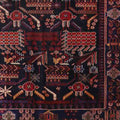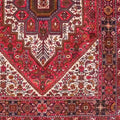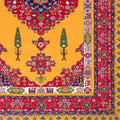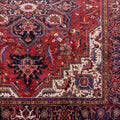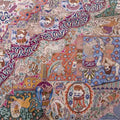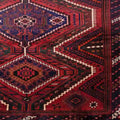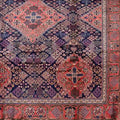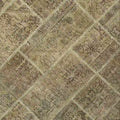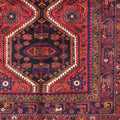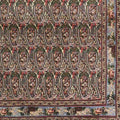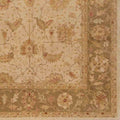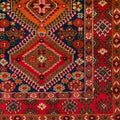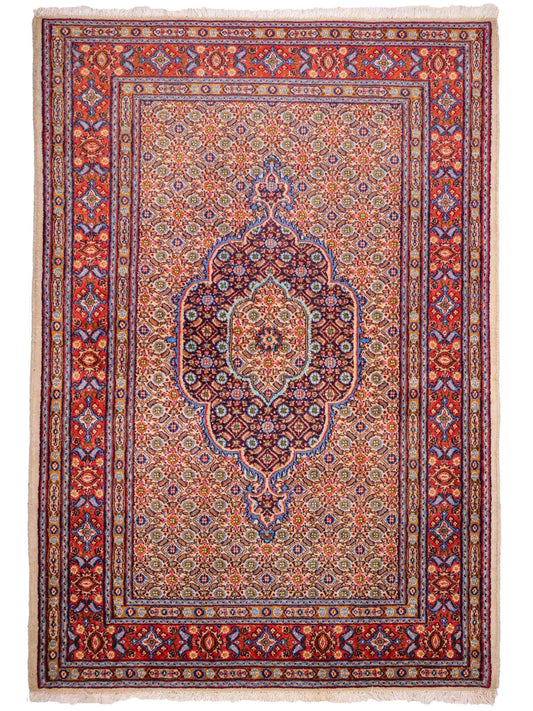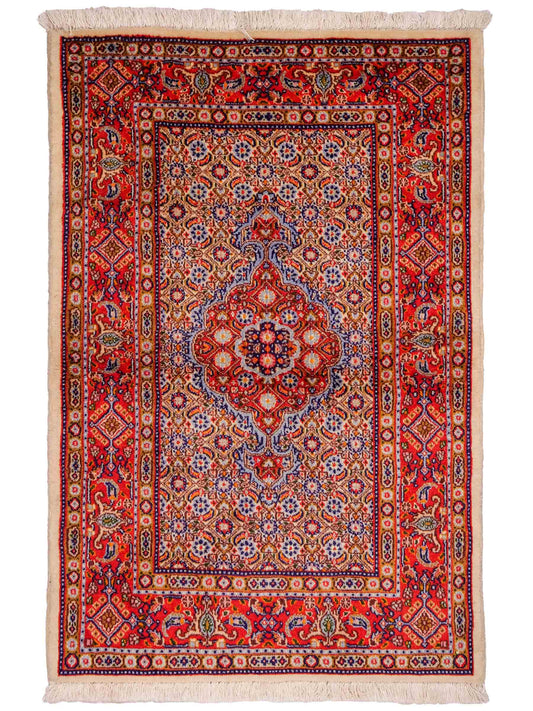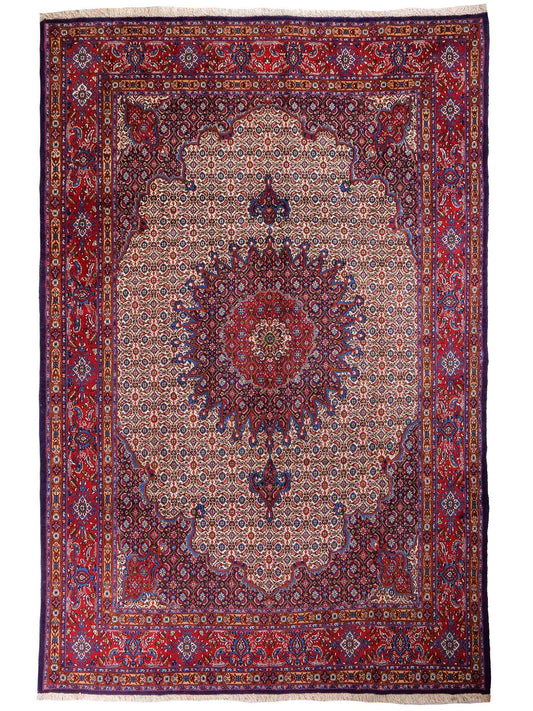

Moud rugs are among the characteristic provenances of eastern Iran. Their clear ornamentation, harmonious palette and artisanal solidity have made them respected classics — in both traditional and contemporary interiors. This guide presents their origin, designs, craftsmanship and the qualities that define their lasting value.
Moud Rugs: Key Facts at a Glance
- Origin: Moud (Mud), South Khorasan Province
- Material: high‑quality wool, cotton warp
- Knot Density: approx. 160,000–300,000 knots/m²
- Designs: floral ornaments, mandala‑inspired motifs, medallions, allover structures
- Colors: deep blue, red, gold, beige, earth tones
- Character: finely drawn, structured, cultivated
Discover Moud Rugs – View the Collection
Origin & History
Moud lies in eastern Iran’s South Khorasan Province, one of the regions with a continuously maintained weaving tradition. The proximity to historic trade routes shaped independent ornamental styles — defined by floral motifs, clear compositions and wool known for its durability.
Manufacturing & Knotting Technique
Moud rugs are entirely hand‑knotted. Their characteristic refinement arises from:
- Material Selection: regional wool, cotton warp
- Dyeing: natural dyes from plants and minerals
- Knotting: Persian knot (Farsibaff), approx. 160,000–300,000 knots/m²
- Finish: washing, shearing, sun‑drying and hand‑finished borders
Designs & Color Palette
Floral Ornaments & Mandala Forms
Typical motifs include fine vines, stylised blossoms and mandala‑like central compositions. Many Moud rugs use allover patterns to create a calm, even field.
Color Palette
- Blue: clear, deep, structural
- Red: warm and accent‑rich
- Gold & Ochre: refined highlights
- Beige & Earth Tones: understated, harmonious
Regional Variants
Within Moud, workshop traditions differ: some focus on symmetrical medallions, others on allover designs with floral scatter patterns. This regional variation influences knot density, tonal nuances and ornamental depth.
Design Classics Compared
| Characteristic | Ilam | Kerman | Kashan | Moud |
|---|---|---|---|---|
| Origin | Western Iran | Kerman / southeastern Iran | Isfahan / central Iran | South Khorasan / eastern Iran |
| Material | Wool | Wool | Wool, some silk | Wool |
| Knot Density | 200,000–300,000 knots/m² | 160,000–1,200,000 knots/m² | 120,000–600,000 knots/m² | 160,000–300,000 knots/m² |
| Design | Floral, geometric | Floral, medallion | Floral, medallion | Allover, mandala, floral details |
| Colors | Red, blue, earth tones | Red, blue, beige | Red, blue, green | Blue, red, gold, beige |
| Features | Authentic, color‑rich | Fine ornamental depth | Classic Persian aesthetics | Structured, clear, detailed |
Checklist: How to Identify Authentic Moud Rugs
- knot density ≥ 160,000 knots/m²
- fine floral detailing & clear linework
- harmonious color transitions without artificial sheen
- precisely finished edges & fringes
- clearly defined pattern on the reverse
- certificate recommended
Interior Design Tips
Moud rugs work exceptionally well as unifying elements in both modern and classic interiors. Their balanced ornamentation harmonizes beautifully with wood, stone, brass and natural fabrics. They are especially effective in living rooms or library settings.
Care
- vacuum gently
- avoid direct sunlight
- treat stains carefully
- regular professional rug washing
Learn more in the Care Guide.
Value & Investment
Moud rugs are considered a stable provenance thanks to their material quality, precise workmanship and regional distinctiveness. Value development depends on fineness, condition and the complexity of the design.
More information: Are Hand‑Knotted Rugs a Good Investment?
FAQ – Moud Rugs
What Characterizes Moud Rugs Stylistically?
► A refined balance of floral ornamentation, clear structure and a calm, harmonious palette.
Which Materials Are Commonly Used?
► Primarily high‑quality wool with a cotton warp — natural dyes support the nuanced palette.
Are Moud Rugs Durable?
► Yes, their material quality and knot density make them highly durable decorative and everyday rugs.
How Can I Identify a High‑Quality Piece?
► By cleanly executed motifs, a fine reverse structure, harmonious colors and precisely finished edges.
Can a Moud Rug Be an Investment?
► Finer or older examples may hold collector interest due to regional signature and craftsmanship — depending on condition and market context.
Conclusion
Moud rugs combine artisanal clarity with cultivated ornamentation. Their balanced designs, region‑specific palette and solid craftsmanship make them long‑lasting, versatile and aesthetically compelling interior textiles.
Discover Our Range of Moud Rugs.