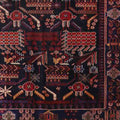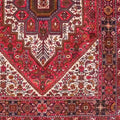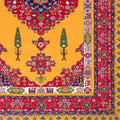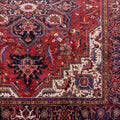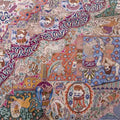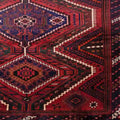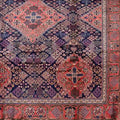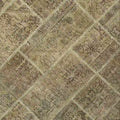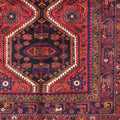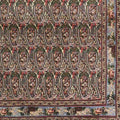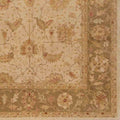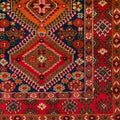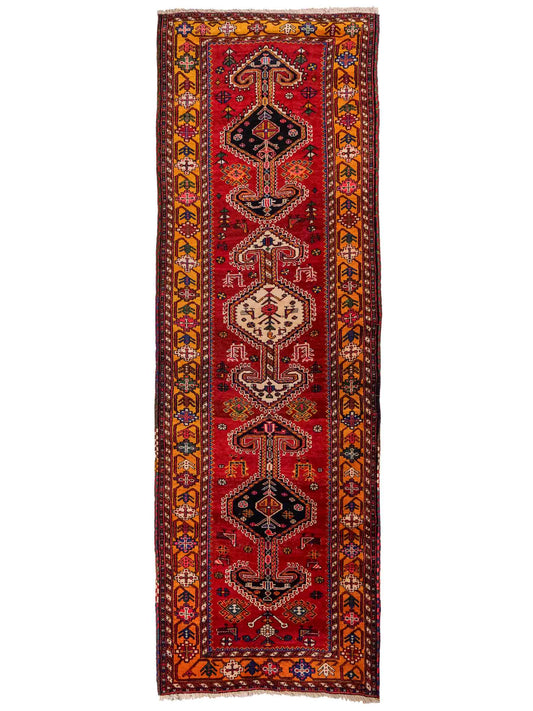

Shiraz rugs represent one of the most characterful weaving traditions of southern Iran. They merge nomadic aesthetics, regional motifs, and high‑quality natural materials. Their lively, often improvisational designs make each piece a unique cultural artifact—and a versatile element in both contemporary and classic interiors.
Shiraz Rugs: Key Facts at a Glance
- Origin: City of Shiraz and surrounding regions in Fars Province
- Materials: wool, occasional silk, plant‑based dyes
- Designs: geometric, tribal, floral, folkloric
- Knot density: generally 120,000–600,000 knots/m²
- Character: expressive, nomad‑inspired, regionally diverse
- Care: durable with gentle handling
Discover Shiraz rugs – view the collection
Geography, History & Cultural Significance
The Birthplace of Shiraz Rugs
The city of Shiraz is located in the mountainous south of Iran. The region offers ideal conditions for high‑quality sheep farming, natural dyes, and long‑established weaving traditions. Influences from nomadic tribes—particularly in the Fars region—shape the rich variety of patterns and motifs.
Historical Development
The rug‑weaving tradition in Shiraz dates back to the 16th century. During the Qajar era (1789–1925), a particularly vivid and diverse motif vocabulary emerged, much of which defines the appearance of Shiraz rugs today. Active trade routes spread these designs early throughout the world and encouraged an exchange of regional pattern traditions.
Cultural Significance
Shiraz has long been at the center of Persian artistic and literary culture. Themes such as nature, spirituality, and nomadic life—prominent in the works of major poets—echo directly in the rugs’ motifs.
Craftsmanship & Sustainability
Hand‑Knotted Works of Art
Shiraz rugs are produced through several manual stages:
- collection and cleaning of regional wool
- dyeing with natural pigments
- hand‑knotting on traditional looms
- typical knot density between 120,000–600,000 knots/m²
- finishing: washing, trimming, edge work
Responsible Acquisition
When purchasing high‑quality Shiraz rugs, origin, working conditions, and sustainable materials should be considered. Many workshops maintain traditional, resource‑conserving techniques.
Learn more: How Sustainable Are Hand‑Knotted Rugs?
Motifs, Designs & Colors
Typical characteristics include:
- geometric tribal motifs
- floral ornamentation
- nomadic animal and figurative elements
- regional medallions
Colors range from rich reds and deep blues to green and earthy tones—frequently produced using natural dyes.
The Perfect Choice: Selection Tips
- Measure your space: large rooms suit bold, large‑scale patterns; smaller spaces benefit from visual restraint.
- Consider knot density: higher densities allow finer, more detailed motifs.
- Select materials carefully: wool for everyday use; silk for decorative areas.
- Match design to your interior: Shiraz rugs pair beautifully with modern, Scandinavian, classic, and boho‑inspired styles.
- Color harmony: choose palettes that complement the room’s tone and materials.
Popular Nomadic Rugs in Comparison: Bakhtiar · Ghashghai · Lori · Shiraz
| Criterion | Bakhtiar | Ghashghai | Lori | Shiraz |
|---|---|---|---|---|
| Origin | Western Iran (Isfahan, Chahar Mahal) | Southwest Iran (Fars) | Southwest Iran (Luristan) | Southern Iran (Fars, Shiraz) |
| Materials | Wool, cotton warp | Wool, cotton warp | Wool, cotton warp | Wool, cotton warp |
| Knot density | 120,000–300,000 knots/m² | 80,000–300,000 knots/m² | 100,000–300,000 knots/m² | 150,000–600,000 knots/m² |
| Design | Garden panels, floral motifs | Tribal, diamonds, animals | Primitive geometry | Geometric, floral, tribal, figural |
| Color palette | Red, blue, green | Red, blue, yellow, natural | Red, brown, orange | Red, blue, green, earth tones |
| Character | Decorative, substantial | Expressive, tribal | Grounded, robust | Expressive, creative |
Checklist: How to Identify Genuine Shiraz Rugs
- proof of origin or certificate
- firm wool with a matte surface
- visible hand‑knotted irregularities
- geometric, floral, or figurative motifs
- intense natural dyes
- hand‑worked fringes and edges
Care & Maintenance
- vacuum gently on a regular basis
- treat stains immediately
- avoid direct sunlight
- professional cleaning every 1–2 years
More insights: How Do I Properly Care for Hand‑Knotted Rugs?
Value & Context
Shiraz rugs typically belong to the lower to mid‑price segment. Their value depends— as always—on provenance, preservation, material quality, and motif precision. While not guaranteed to appreciate, distinctive pieces can appeal to collectors.
Further reading: Are Hand‑Knotted Rugs a Good Investment?
FAQ – Shiraz Rugs
What Defines Shiraz Rugs?
► Characteristic geometric and floral motifs, natural dyes, and strong nomadic influences.
How Can I Identify an Authentic Piece?
► By hand‑knotted structure, natural wool, region‑typical motifs, and visible tribal irregularities.
How Should I Care for a Shiraz Rug?
► Vacuum regularly, avoid direct sunlight, blot spills with water, and arrange occasional professional cleaning.
Are Shiraz Rugs Value‑Stable?
► Depending on motif, origin, and condition, selected pieces may hold collector interest—without guaranteed appreciation.
Conclusion
Shiraz rugs combine creative motifs with refined craftsmanship. Their natural materials, vibrant colors, and regional styles make them expressive, long‑lasting textiles that integrate effortlessly into a wide variety of interiors. They stand as authentic representatives of southern Iran’s weaving culture.
Explore our variety of Shiraz rugs.