



















What is an Oriental Rug?
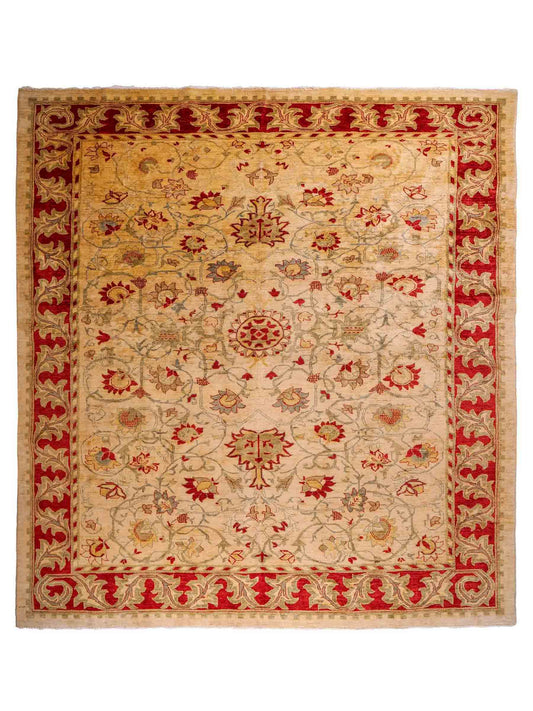
Oriental rugs are hand-knotted carpets traditionally originating from the region spanning the Eastern Mediterranean, Central Asia, and East Asia—including countries such as Iran/Persia, Afghanistan, India, Pakistan, China, Turkey, and the Caucasus. They are defined by artistic patterns, complex symbolism, and an immense variety of motifs and colours. As an umbrella term, "Oriental rug" includes all subtypes—including Persian, Turkish, Afghan, Indian, Pakistani, Caucasian or Chinese origins—each always handcrafted and often rooted in centuries-old techniques and traditions.
Origin, Craftsmanship & Knotting Art – What Makes Indian Rugs Unique
- Origins: The knotting tradition of India began in the 16th century, when Persian masters shared their techniques with North Indian workshops.
- Knotting Centres: Key provenances include Kashmir, Rajasthan (Jaipur, Agra), Uttar Pradesh, Punjab, and Central India.
- Material: High-quality new wool, natural silk, advanced plant dyeing and traditional hand-spinning methods.
- Design: A broad spectrum—from classic medallion and floral motifs, to modern, minimalist, and even futuristic patterns.
Key Types & Subcategories of Indian Rug Art
Kashmir Silk Rugs:
Shimmering masterpieces of fine natural silk, famed for filigree, ornamental designs and remarkable colourways. Kashmir silk rugs are mainly produced in Srinagar and impress with incredible knot density, colour depth and a glowing silk sheen. Discover now!
Indo Loribaft Rugs:
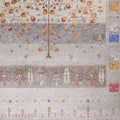
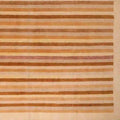
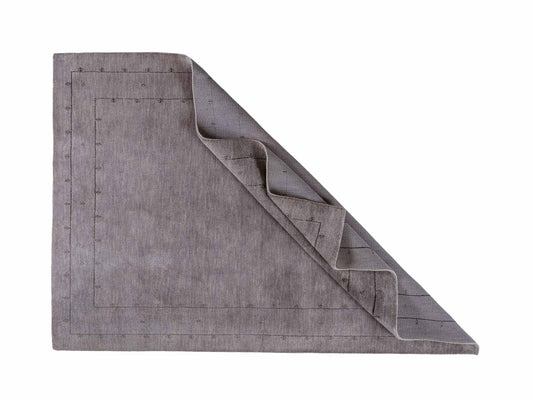
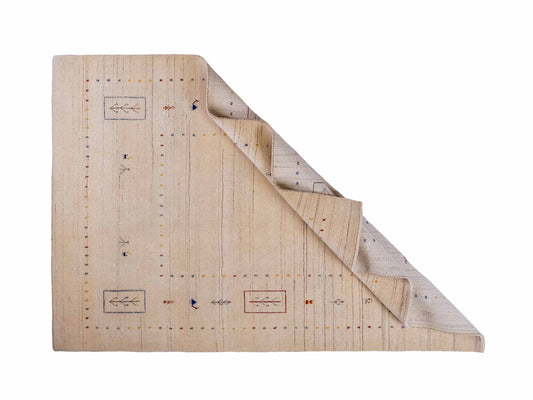
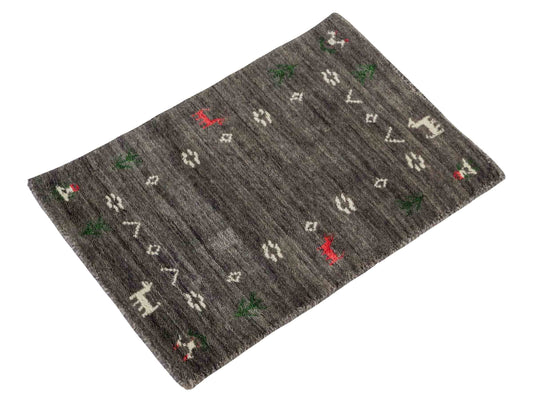
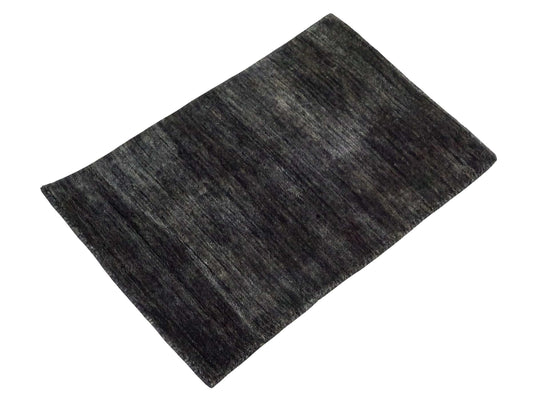
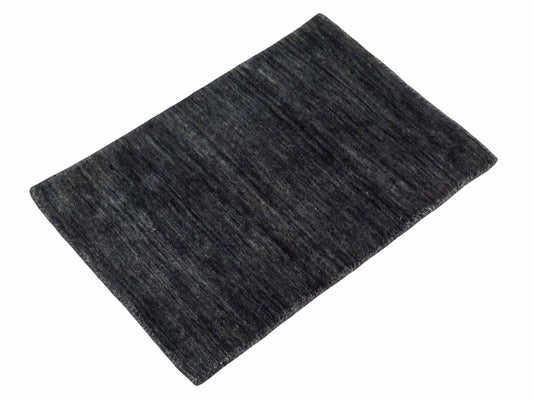
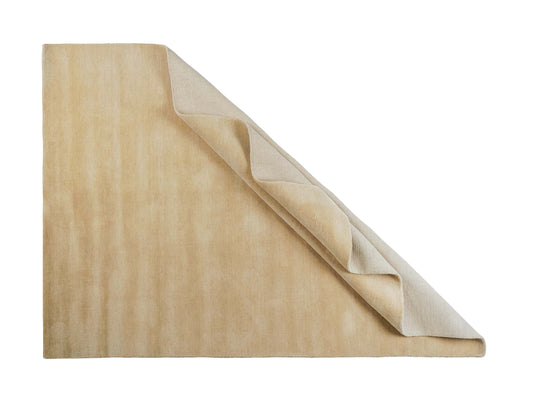
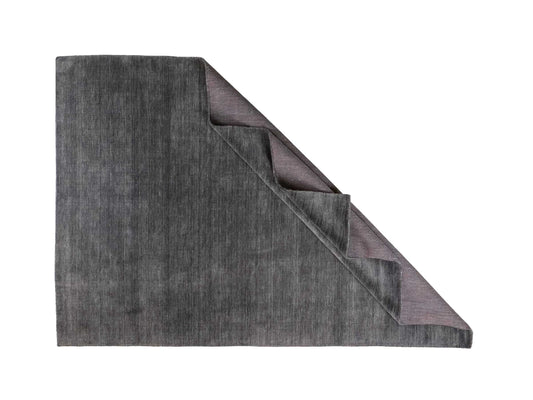
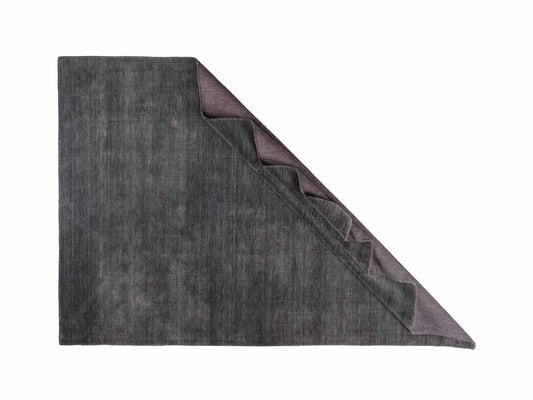
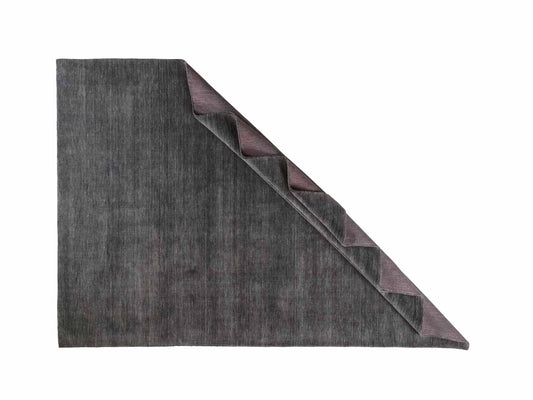
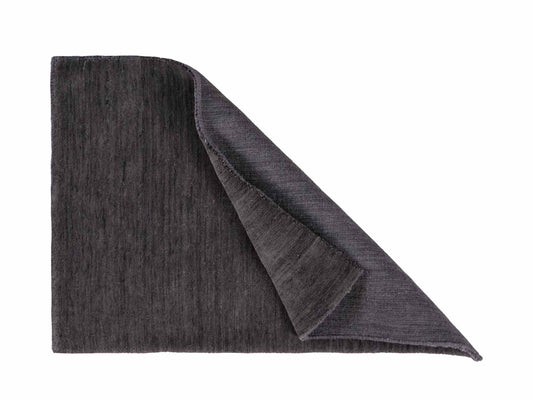
Modern interpretations of Gabbeh and Loribaft motifs (large fields, stripes, natural hues), often made with exceptionally thick wool. Traditionally hand-knotted or loom knotted. Indo Loribafts bring vitality and a nature-inspired feel to modern spaces—ideal for a cosy, inviting atmosphere. Discover now!
Indo Kilim Rugs:
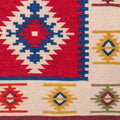
Flat-woven, often reversible rugs—typically striped, geometric or in nomadic style. Indo Kilims are still woven by hand from pure wool, cotton or blends, and deliver lively colours, making them popular among young design enthusiasts. Discover now!
Indo Tabriz Rugs:
Classic Persian motifs—such as medallion, allover, and mahi patterns—are meticulously reinvented in Indian workshops. Indo Tabriz delights with crisp outlines, harmonious colours and excellent craftsmanship—a quality alternative to its Persian counterpart. Discover now!
Indo Bijar Rugs:
Robust, heavy rugs inspired by the renowned Persian Bijar, often with Herati field pattern or geometric medallions. They are very durable and add rustic elegance, clarity and bold colours to any interior. Discover now!
Indo Sarouk Rugs:
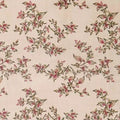
Lush floral patterns, warm base colours and thick pile inspired by classic Sarouk rugs from Iran. Indo Sarouk rugs are prized for their comfort, hardwearing wool, and welcoming vibe. Discover now!
Indo Mir Rugs:
Featuring the famous “Mir-i-Boteh” pattern (Paisley), usually in calm colours and elaborately knotted. Indo Mir rugs are renowned for their timeless elegance and fine details—fitting classic and modern interiors alike. Discover now!
Indo Nain Rugs:
Faithful reinterpretations of the iconic Nain motif in Indian premium quality and those characteristic ivory tones. Indo Nain rugs are admired for their graceful allure, fine knotting and timeless style.
Indo Kashan Rugs:
Persian Kashan-style motifs featuring medallions, allover designs and floral borders, realised in Indian crafting tradition. Indo Kashan rugs blend expressive designs and durable wool—perfect for spacious living rooms or elegant ensembles. Discover now!
Indo Qom Rugs:
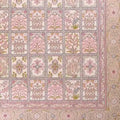
A tribute to the famous Qom Persian rugs—made from 100% high-quality wool. Indo Qom rugs stand out with meticulous detail, higher knot density, and accessible exclusivity. Discover now!
Colours, Shapes & Design Diversity
Indian rugs are marked by incredible variety in style and format. Available in both classic and modern looks, they range from small accent pieces to extra large area rugs, and come in rectangular, round, oval, square, or runner formats. Their colourways embrace vivid reds and blues as well as softer pastels, naturals, and multi-tones. Popular patterns include medallions, boteh or paisley, allover florals and stripes, stylised animal and garden motifs, and even minimal or modern designs.
Comparison Table: Indian Rugs at a Glance
| Provenance / Type | Main Pile Material | Knot Density | Main Features |
|---|---|---|---|
| Kashmir Silk Rugs | Pure natural silk | 350,000–1,000,000 knots/m² | Filigree, lustrous, delicate, affordable silk rug |
| Indo Loribaft Oriental Rugs | Thick sheep’s wool, sometimes with bamboo silk | 60,000–240,000 knots/m² | Timeless and modern, robust heavy wool, available hand-knotted or loom-knotted |
| Indo Kilim Rugs | Sheep’s wool, cotton or blends | Flatweave | Modern, geometric & tribal motifs, durable, handmade, no pile |
| Indo Tabriz Oriental Rugs | Fine sheep’s wool | 100,000–500,000 knots/m² | High-end craftsmanship, iconic mahi design |
| Indo Bijar Oriental Rugs | Fine sheep’s wool | 120,000–360,000 knots/m² | Crisp craftsmanship, geometric Herati & medallion motifs |
| Indo Sarouk Oriental Rugs | Fine sheep’s wool | 100,000–300,000 knots/m² | Robust construction, floral patterns, time-honoured design |
| Indo Mir Oriental Rugs | Fine sheep’s wool | 90,000–250,000 knots/m² | Allover design, classic paisley/boteh motifs |
| Indo Kashan Oriental Rugs | Fine sheep’s wool | 120,000–500,000 knots/m² | Classic medallion & allover motifs with floral borders |
FAQ – Frequently Asked Questions about Indian Rugs
Are Indian rugs as high-quality as Persian rugs?
Yes—specialised top workshops in India deliver outstanding quality and enjoy worldwide renown. They are also notably more affordable than their Persian equivalents.
How are Indian rugs made?
All Indian rugs at JUPITER Intl are handcrafted—whether using traditional hand-knotting and weaving or modern hand-tufting and loom knotting techniques.
Are modern and minimalist designs available?
Absolutely—our Indo Loribaft, Indo Kilim and designer rugs lead the way for modern living styles.
How do I care for my Indian rug?
Vacuum regularly, avoid direct sunlight and moisture, remove stains with plain water, and occasionally have it professionally cleaned by specialists. Discover more about carpet care.
Quality Promise: Authenticity & Service by JUPITER Intl
- Every Indian rug we offer is a verified original, selected for workmanship, authenticity, and condition
- Transparent provenance: all handmade rugs come with a certificate of authenticity
- Fair prices directly from Khademi—no middlemen or misleading “retail prices”
- Personal advice on provenance, size, material, investment, and style
- Secure payment, 31-day return policy and free returns for your complete satisfaction
Personal Consultation at JUPITER Intl
Looking for the perfect Indian rug, a special size, or a unique colour and design composition? Our experienced team is happy to support you – from expert style advice to sourcing special pieces. Contact us by phone or email, or combine your visit with a trip to our showroom in Hamburg’s historic Speicherstadt—part of the city’s UNESCO World Heritage Site—where you can experience history and tradition first-hand!
More Information & Links
- Design Classic: Bijar Rugs
- Design Classic: Qom Rugs
- Design Classic: Gabbeh Rugs
- Design Classic: Isfahan Rugs
- Design Classic: Kilim Rugs
- Design Classic: Kashan Rugs
- Design Classic: Nain Rugs
- Design Classic: Sarouk Rugs
- Design Classic: Tabriz Rugs
- Countries of Origin: India – Color, Diversity and Tradition
- Carpet Guide: How Do I Properly Care for Hand-Knotted Rugs?
- Carpet Guide: What to Consider When Choosing Rug Size
- Carpet Guide: How to Identify Hand-Knotted Rugs
- Carpet Guide: How to Calculate the Knot Density of a Rug
- Carpet Guide: What’s the Difference Between Rug Knot Types?
- Carpet Guide: How Sustainable Are Hand-Knotted Rugs?
- Carpet Guide: Are Hand-Knotted Rugs a Good Investment?
- Certificate of Authenticity: Your Guarantee for Quality and Authenticity