



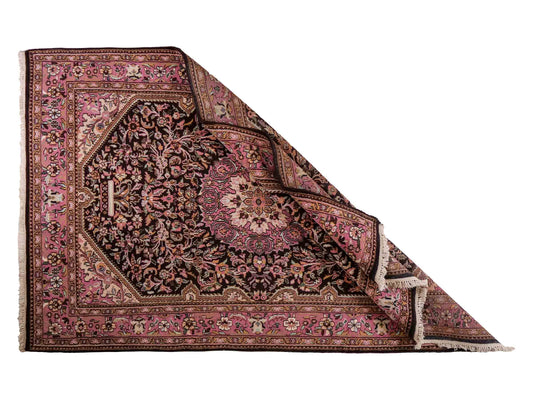
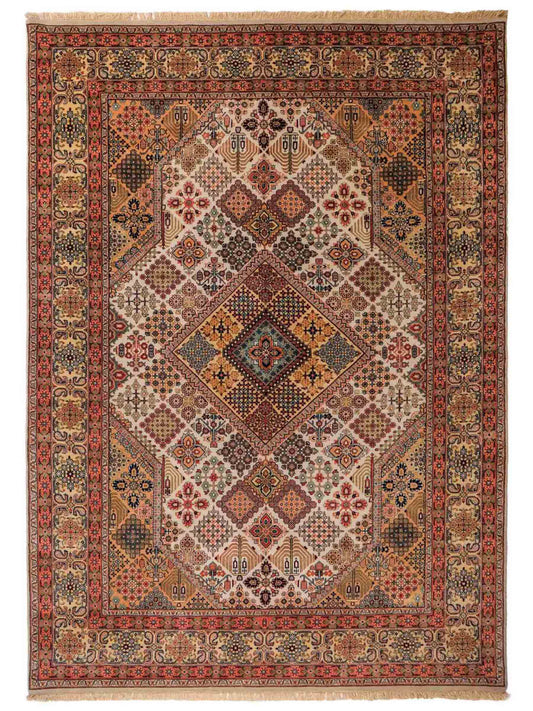
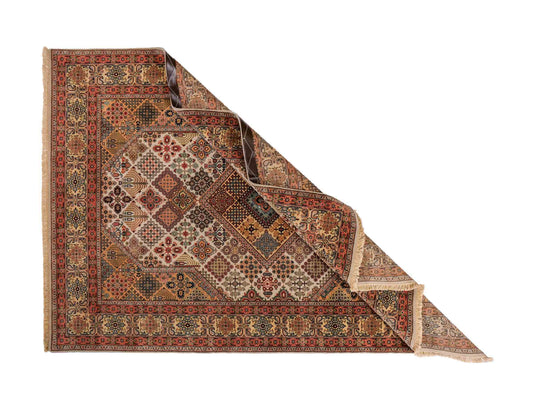
What is an Oriental Rug?
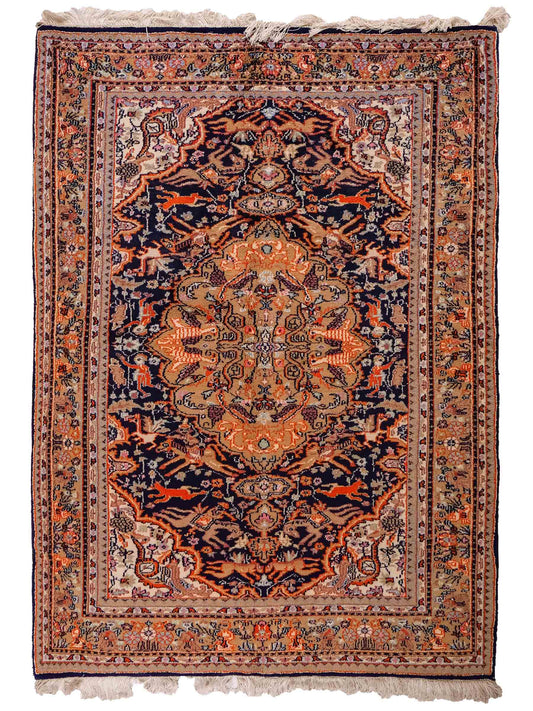
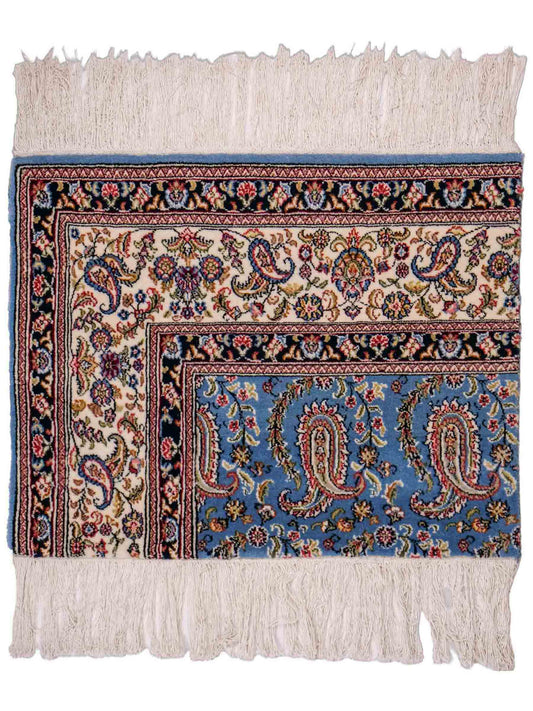
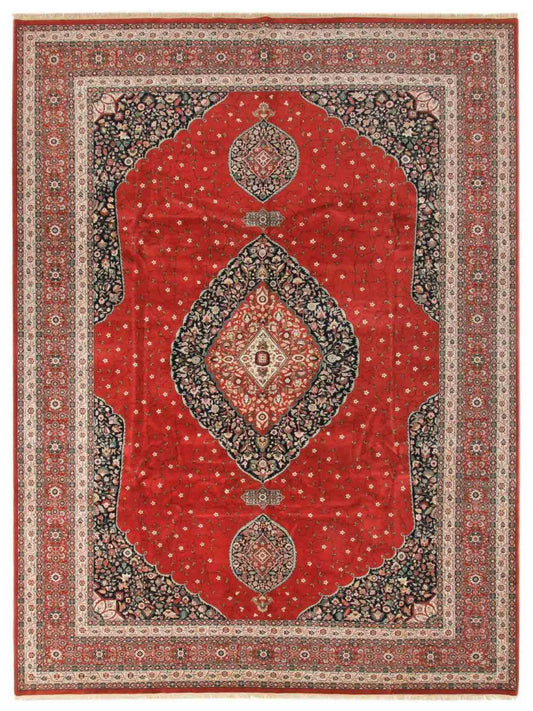
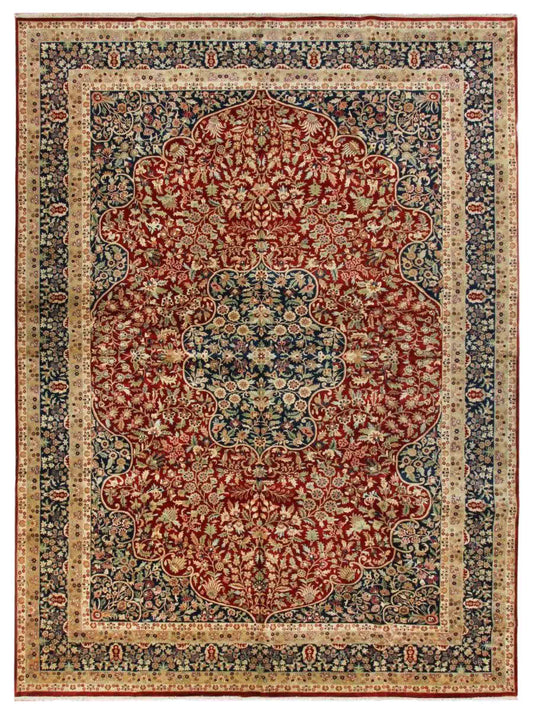
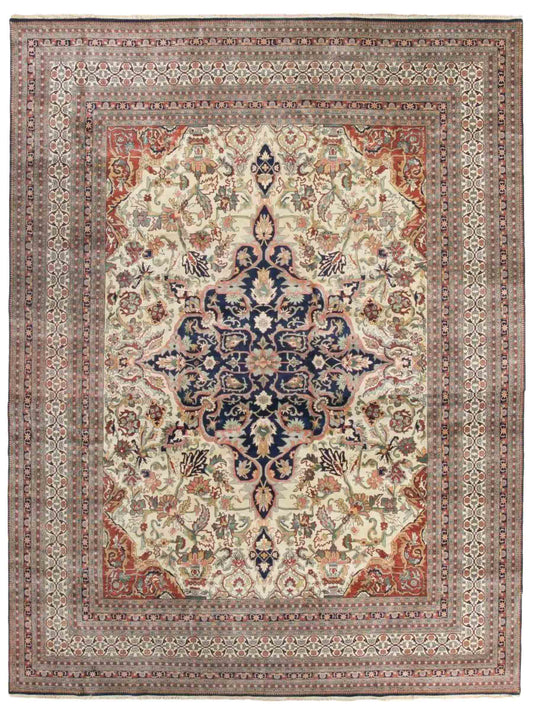
Oriental rugs are hand-knotted carpets traditionally originating from countries along the ancient Silk Road and Eastern Mediterranean—such as Iran/Persia, Afghanistan, India, Pakistan, China, the Caucasus, and Turkey. Their complex patterns, detailed borders, symbolic motifs, and rich natural colours are captivating. The term “Oriental rug” spans a vast style spectrum—from Persian classics to Indian and Afghan originals through to modern interpretations. What unites them all is centuries-old tradition and an eye for detail.
Indian Rugs – Diversity, Creativity & Handcraft
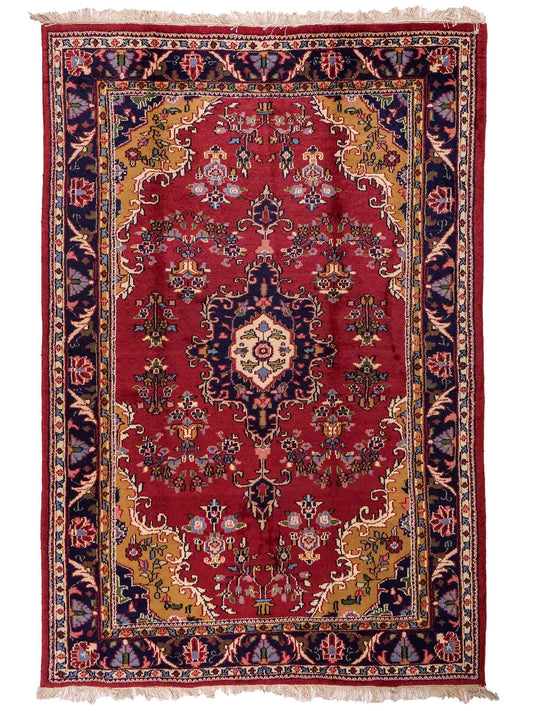
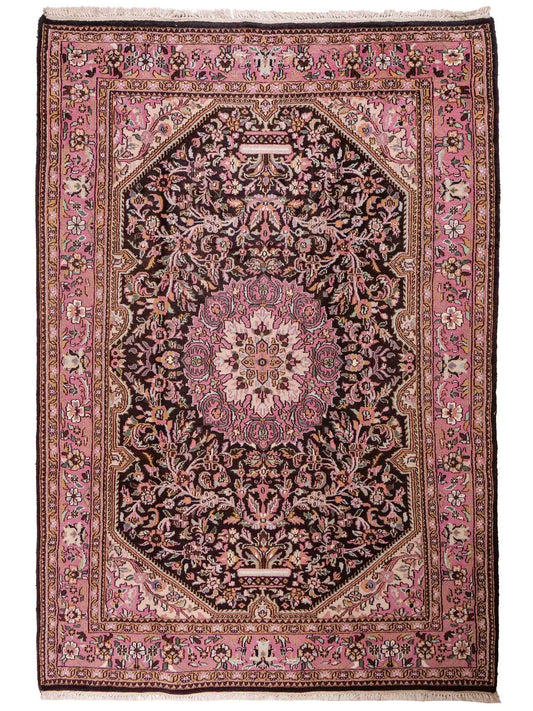
India boasts centuries of rug-making tradition and is now one of the world’s leading producers of handmade Oriental carpets. Indian rugs are recognised for their intricate designs, reliable construction from sheep’s wool, and creative variations on traditional themes. Loyal to Persian originals—such as Indo Bijar, Indo Tabriz, or Indo Sarouk—or as modern Indo Gabbeh/Loribafts and Indo Kilims—Indian rugs offer exceptional quality, attractive price points, and a huge variety of styles and formats.
Comparison: Indian vs. Persian Kashan Rugs
| Provenance / Type | Main Pile Material | Knot Density | Special Features |
|---|---|---|---|
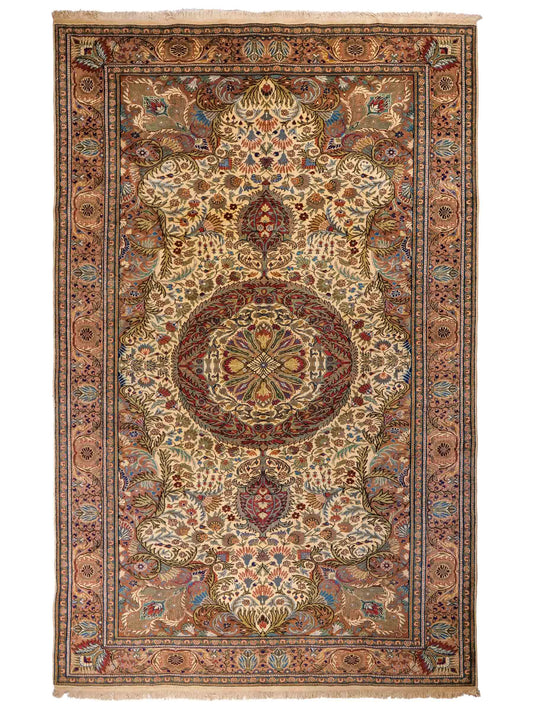
| Indo Kashan Oriental Rugs | Premium sheep’s wool | 120,000–360,000 knots/m² | Authentic patterns, precise finishing, great value |
| Kashan Persian Rugs | Premium sheep’s wool, occasionally silk | 120,000–600,000+ knots/m² | Warm hues, classic medallion motifs, enduring elegance, the Persian “original” |
FAQ – Frequently Asked Questions about Indo Kashan Rugs
How do Indo Kashan rugs differ from “genuine” Persian Kashan rugs?
They adopt the classic design but are knotted in India—often offering better value while maintaining premium materials and traditional handwork.
Are Indo Kashan rugs robust?
Yes, through the use of strong wool and a dense knotting structure, they are highly durable and easy to care for.
What colours and patterns are typical?
Floral borders, central medallions, vibrant reds, blues and beiges, as well as softer, modern tones are all characteristic.
Are Indo Kashan rugs suitable for modern homes?
Yes! These timeless patterns can be used as either a striking contrast or as a stylistic continuation within modern designs.
Will I receive a certificate of authenticity?
Yes—every handmade rug at JUPITER Intl comes with a certificate of authenticity. Find out more about our certificate of authenticity.
Quality, Price & Service by JUPITER Intl
- All Indo Kashan rugs are handmade originals, chosen for workmanship, quality, and design
- Transparent provenance: every handmade rug comes with a certificate of authenticity
- Fair prices directly from Khademi – no middlemen or misleading “retail prices”
- Broad selection: from exclusive Qom silk rugs and exquisite Nain Persians to modern Ziegler Orientals, handwoven kilims, and high-quality machine-made rugs
- Personal advice on provenance, size, materials and style
- Secure payment, 31-day return policy & free returns for your complete satisfaction
Personal Consultation at JUPITER Intl
Looking for the perfect Indo Kashan rug, a particular provenance, a special format or design? Our experienced team is happy to support you – from expert advice to sourcing unique pieces. Contact us by phone or email, or combine your visit with a trip to our showroom in Hamburg’s historic Speicherstadt—part of the city’s UNESCO World Heritage Site—where you can experience history and tradition up close!
More Information & Links
- Design Classic: Kashan Rugs
- Countries of Origin: India – Color, Diversity and Tradition
- Carpet Guide: How Do I Properly Care for Hand-Knotted Rugs?
- Carpet Guide: What to Consider When Choosing Rug Size
- Carpet Guide: How to Identify Hand-Knotted Rugs
- Carpet Guide: How to Calculate the Knot Density of a Rug
- Carpet Guide: What’s the Difference Between Rug Knot Types?
- Carpet Guide: How Sustainable Are Hand-Knotted Rugs?
- Carpet Guide: Are Hand-Knotted Rugs a Good Investment?
- Certificate of Authenticity: Your Guarantee for Quality and Authenticity