



What are Village Rugs?
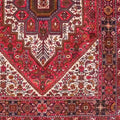
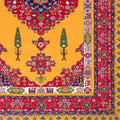
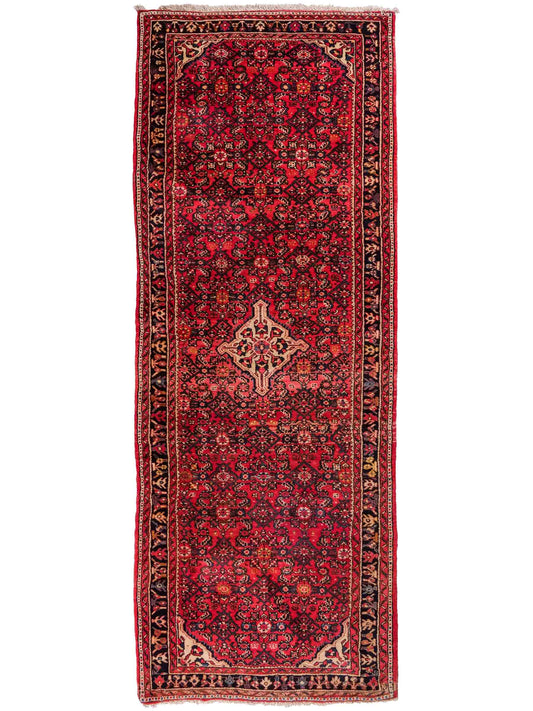
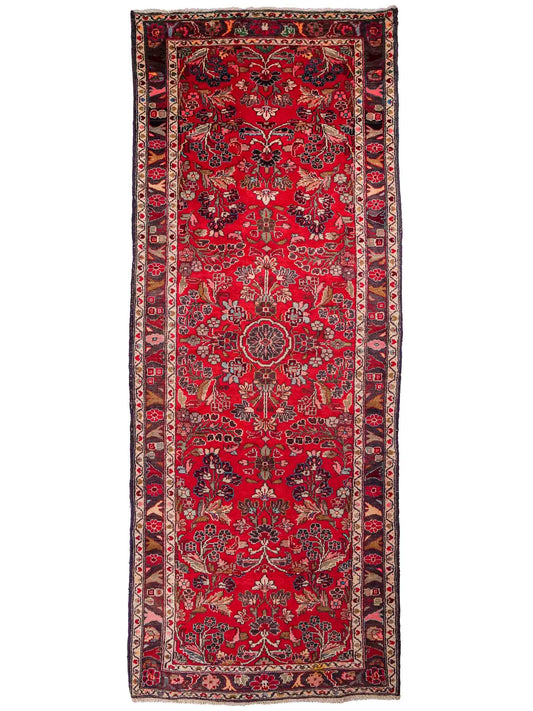
Village rugs are hand-knotted carpets from rural areas whose patterns and production are shaped by regional traditions, creativity and day-to-day living. They are usually woven in small workshops or family homes, guided by communal expertise. Typical are earthy resilience, improvisational designs, durable materials, and the unmistakable hallmark of each weaver. Every rug represents village heritage and a living regional expression.
Origin, Weaving Art & Features of Malayer Village Rugs
- Provenance: Originates from the city of Malayer and neighbouring villages in western Iran, between the Hamadan and Lorestan regions.
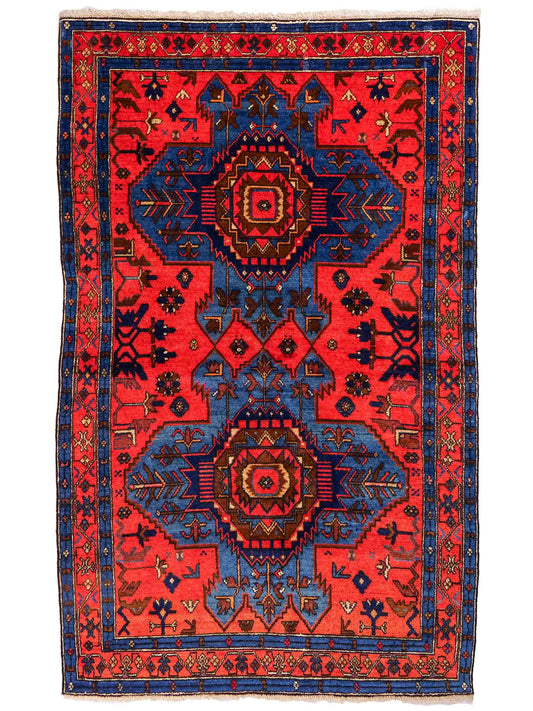
- Materials: High-quality, hand-spun sheep’s wool; pure natural dyes create warm, harmonious red, blue and beige hues.
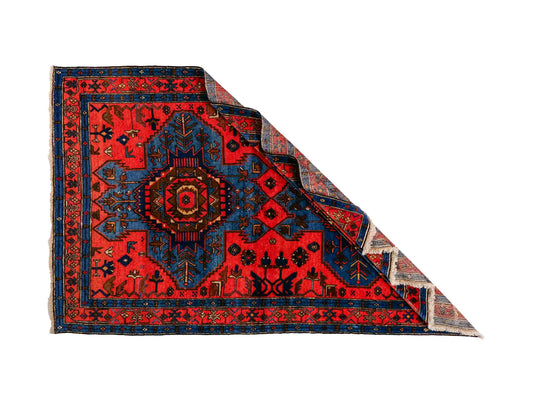
- Knotting Technique: Hand-knotted, mostly on cotton foundation, typically using an asymmetrical (Persian) knot; densities range from about 150,000 to 250,000 knots/m² for durable and hardwearing use.
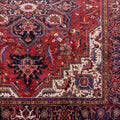
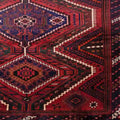
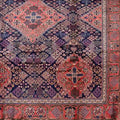
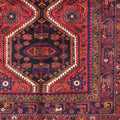
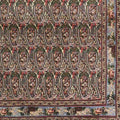
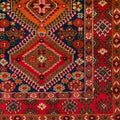
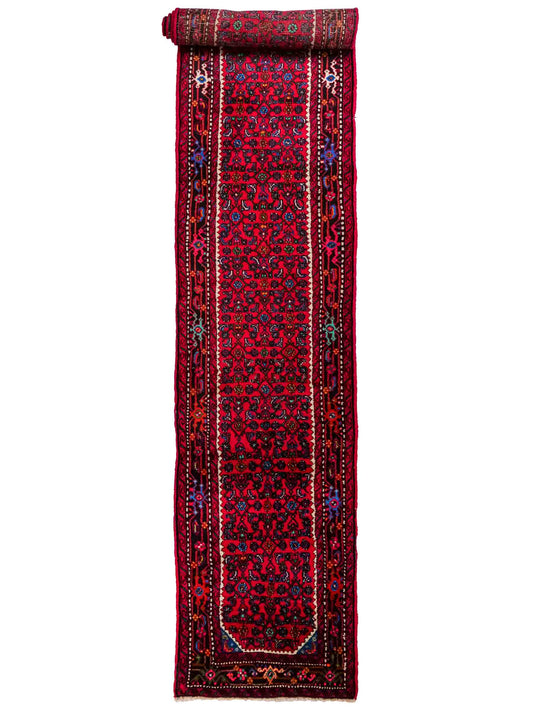
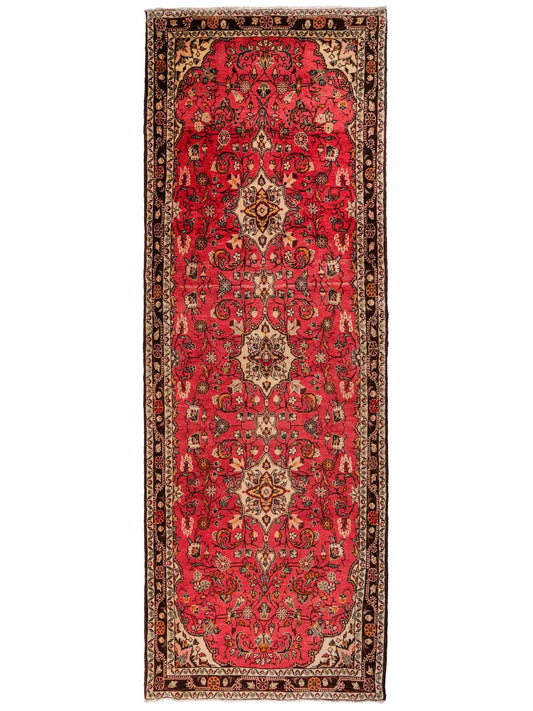
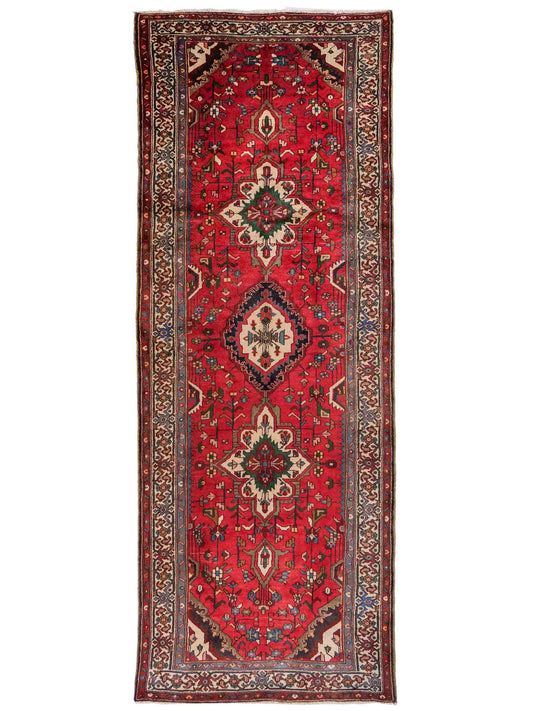
- Patterns & Motifs: Noted for intricate, often repeating geometric patterns, stylized floral details, medallions and diamond shapes; traditional borders underscore folk art roots.
- Sizes: Available as runners, bridge rugs, classic room sizes and smaller accent pieces—perfect for halls, bedrooms, and living spaces.
Iranian Rugs – A Symbol of Diversity & Authentic Craft
Iranian rugs are among the finest the weaving world has to offer. Whether from Malayer, Hamadan or Ardabil, or the legendary Persian rug provenances like Nain, Tabriz, Isfahan or Qom—Iranian rugs come in unmatched diversity of technique, pattern and material. From village carpets and magnificent classic Persians to expressive nomadic art, Iranian rugs stand for variety, durability and real cultural significance.
Style, Colours & Areas of Use
Malayer rugs stand out for captivating colour play—from warm reds and golds to bold blue, green, or rare earth tones. The variety of design fits seamlessly into classic or modern interiors. Especially as long-lasting runners, central living room pieces or decorative dining room highlights, they make a strong impression.
Malayer Rugs at a Glance
| Provenance / Type | Main Pile Material | Knot Density | Special Features |
|---|---|---|---|
| Malayer Village Rugs | Regional sheep’s wool | 150,000–250,000 knots/m² | Geometric motifs with medallion or allover, robust build, rustic elegance |
FAQ – Frequently Asked Questions about Malayer Rugs
What makes Malayer village rugs so special?
Their geometric designs, harmonious color blends, and a rustic yet refined character make them unmistakable originals of Iranian rug artistry.
Are Malayer rugs durable and easy to care for?
Yes—their dense knots and sturdy wool make them very robust and suitable for daily use. Discover more about carpet care.
How does a Malayer rug differ from other village rugs?
Malayer rugs have a unique design language with particularly rich variations of diamond and medallion patterns.
Do I get a certificate of authenticity with every Malayer rug?
Yes—every handmade one-of-a-kind rug from JUPITER Intl comes with a certificate of authenticity. Find out more about our certificate of authenticity.
Quality, Price & Service by JUPITER Intl
- All Malayer rugs are hand-knotted originals, strictly selected for workmanship, quality, and design
- Transparent provenance: every handmade rug comes with a certificate of authenticity
- Fair prices directly from Khademi—no middlemen or misleading “retail prices”
- Extensive range: from exclusive Qom silk rugs, exquisite Nain Persian rugs, modern Ziegler Orientals, and handwoven kilims to quality machine-made carpets
- Personal advice on provenance, size, materials, and style
- Secure payment, 31-day return policy and free returns for your complete satisfaction
Personal Consultation at JUPITER Intl
Looking for the perfect Malayer rug, a specific provenance, size or design? Our experienced team is happy to support you – from expert style advice to sourcing unique pieces. Contact us by phone or email, or combine your visit with a trip to our showroom in the Speicherstadt, Hamburg’s UNESCO World Heritage Site—experience history and tradition up close!
More Information & Links
- Design Classic: Malayer Rugs
- Countries of Origin: Iran – Persian Perfection from a Master's Hand
- Carpet Guide: How Do I Properly Care for Hand-Knotted Rugs?
- Carpet Guide: What to Consider When Choosing Rug Size
- Carpet Guide: How to Identify Hand-Knotted Rugs
- Carpet Guide: How to Calculate the Knot Density of a Rug
- Carpet Guide: What’s the Difference Between Rug Knot Types?
- Carpet Guide: How Sustainable Are Hand-Knotted Rugs?
- Carpet Guide: Are Hand-Knotted Rugs a Good Investment?
- Certificate of Authenticity: Your Guarantee for Quality and Authenticity