









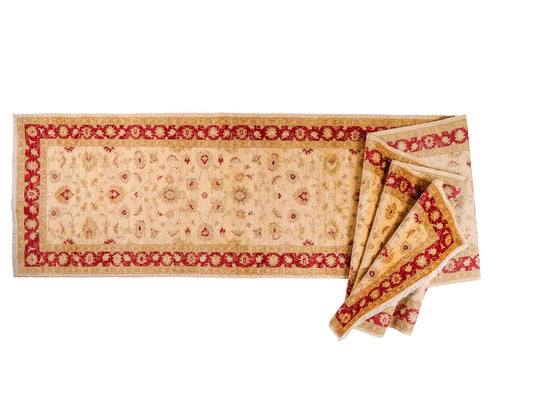
What is an Oriental Rug?
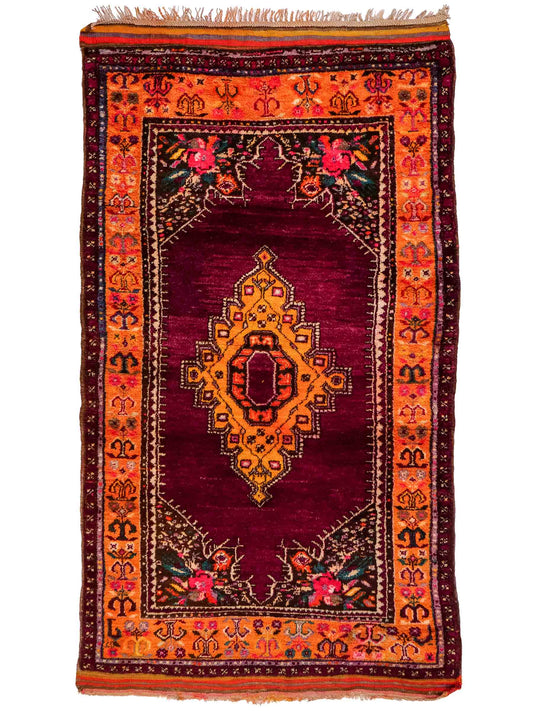
Oriental rugs are hand-knotted carpets traditionally originating from the region spanning the Eastern Mediterranean, Central Asia, and East Asia—including countries such as Iran/Persia, Afghanistan, India, Pakistan, China, Turkey, and the Caucasus. They are defined by artistic patterns, complex symbolism, and an immense variety of motifs and colours. As an umbrella term, "Oriental rug" includes all subtypes—including Persian, Turkish, Afghan, Indian, Pakistani, Caucasian or Chinese origins—each always handcrafted and often rooted in centuries-old techniques and traditions.
Origin, Craftsmanship & Weaving Art – What Makes Afghan Rugs Unique
- Origin: Produced in traditional weaving centres such as Herat, Kabul, Mazar-e Sharif, and Baluchistan.
- Material: Predominantly hand-spun sheep’s wool, occasionally natural silk; plant-based dyes create rich, vibrant hues.
- Knotting Technique: Symmetrical (Turkish) or asymmetrical (Persian) knots depending on provenance; average knot density is usually 80,000–300,000 knots/m² (with variation by type).
- Durability: Afghan rugs are renowned for their exceptional toughness—crafted to last for generations.
- Authenticity: The use of traditional motifs (stars, Göl medallions, tree of life, animal figures) reflects the history and everyday life of Afghanistan.
Key Types & Subcategories of Afghan Rug Art
Arijana Rugs:
Modern interpretations of traditional nomadic motifs, often in organic shades and earthy tones. Arijana rugs are woven by experienced families in small North Afghan workshops using ancient tribal aesthetics. Discover now!
Ziegler Rugs:
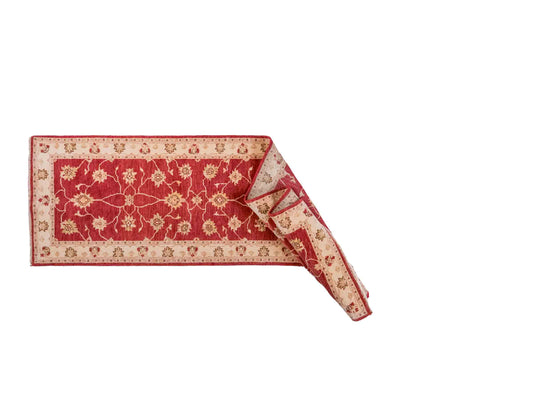
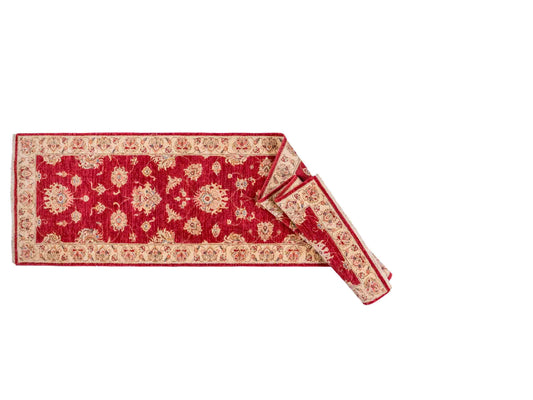
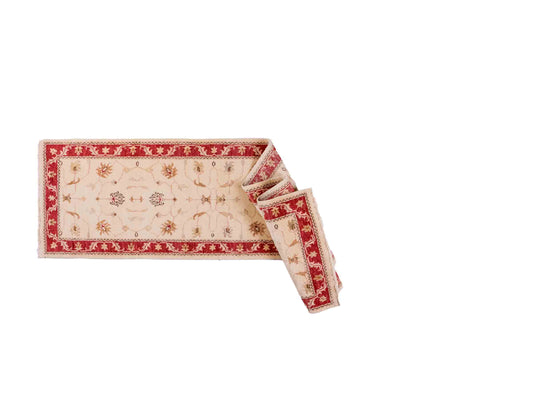
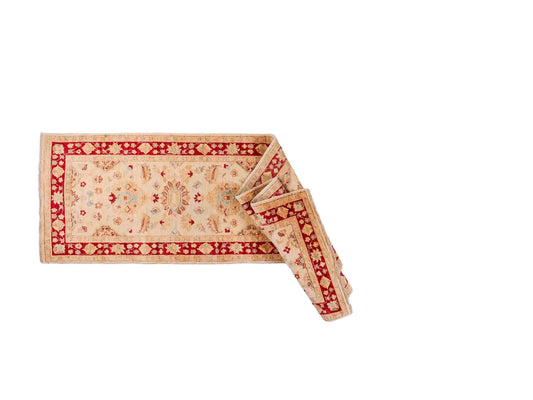
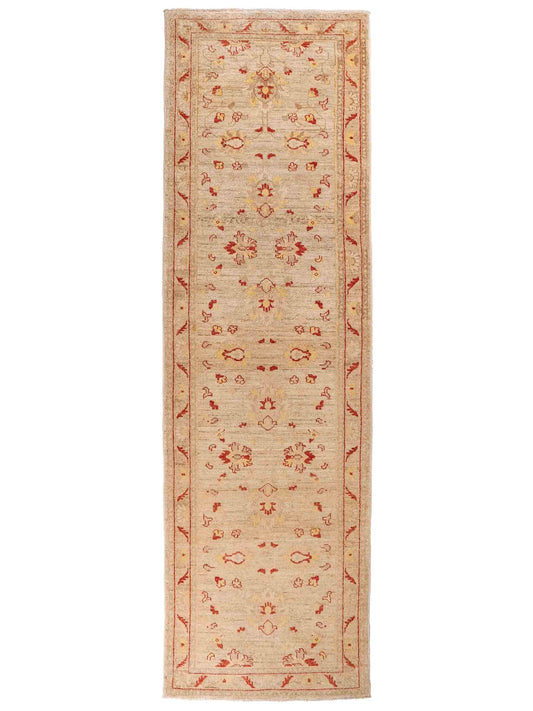
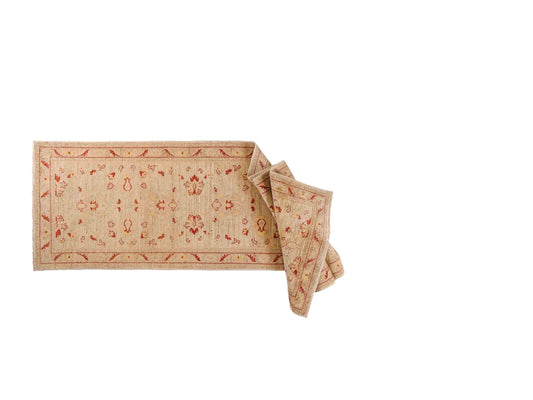
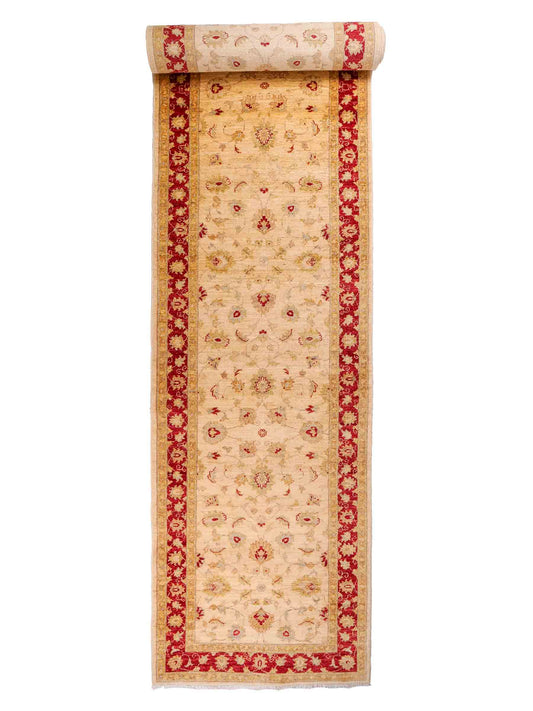
Inspired by 19th-century European decorative trends, now traditionally made in Afghanistan and Pakistan. Signature features: floral ornament in pastels or ivory on soft highland wool, usually "antique washed"—perfect for modern and classic homes alike. Ziegler rugs are rooted in the legendary Ziegler company and blend classical elegance with contemporary colour palettes. Discover now!
Khal Mohammadi Rugs:
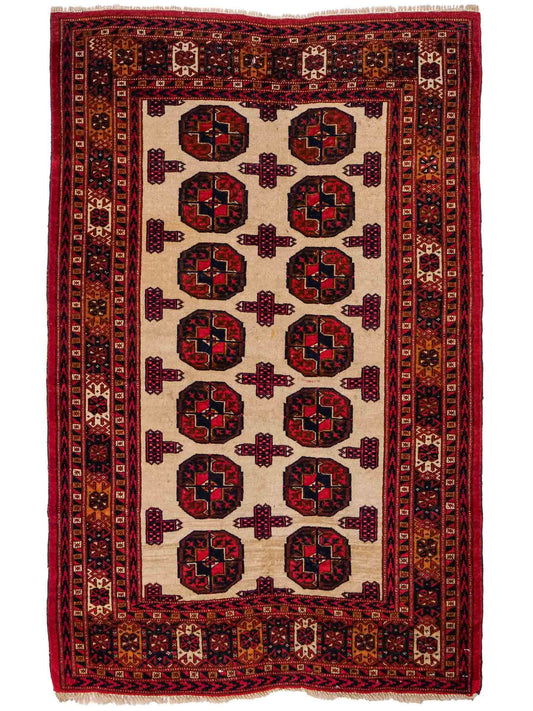
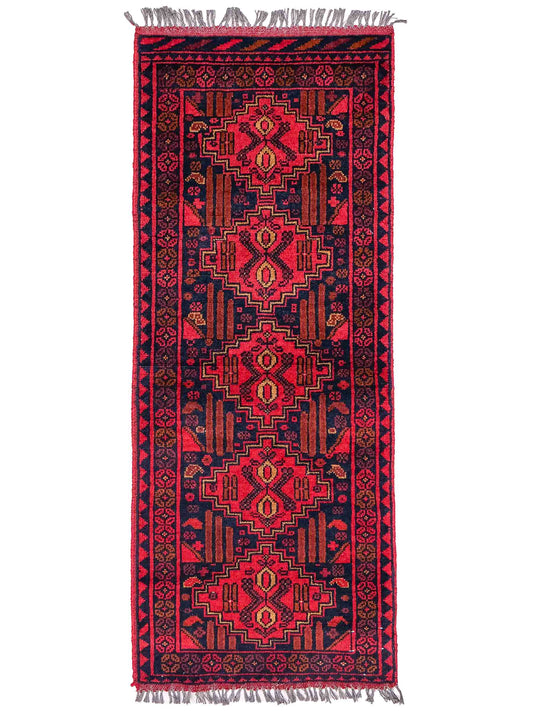
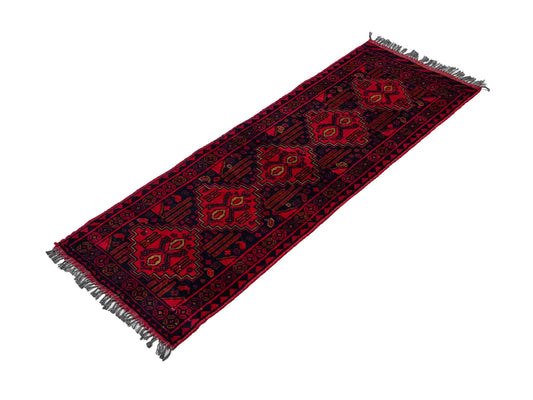
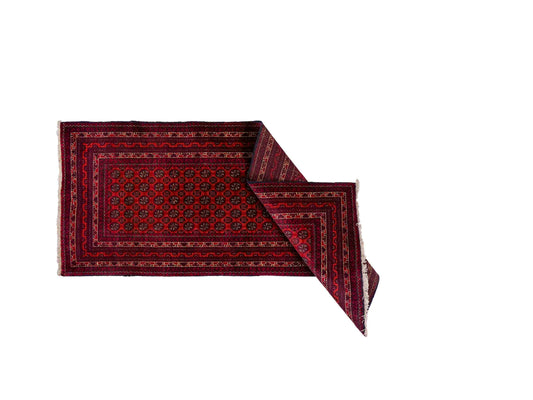
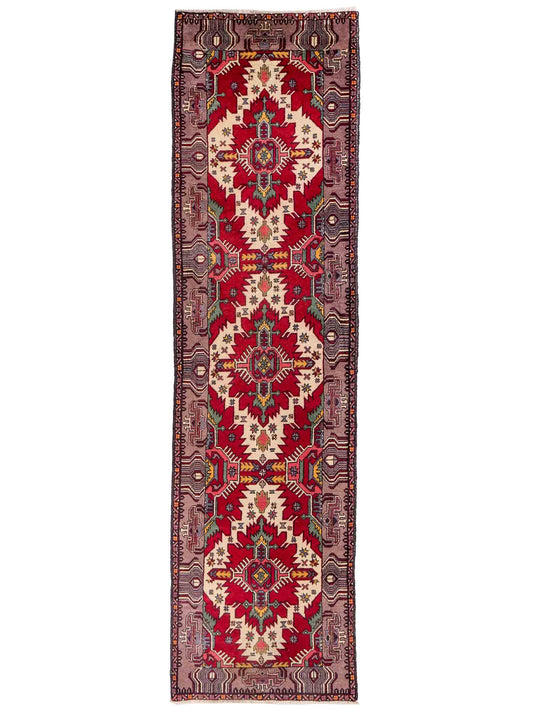
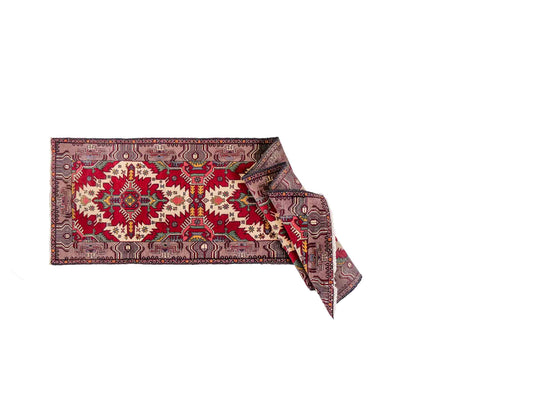
Iconic for their saturated, deep-red base colours and geometric Göl patterns. Instantly recognisable for their silky sheen (the result of unique wool & special washing) and outstanding everyday usability. The eponymous innovator Khal Mohammadi perfected these rich red tones in Kunduz in the 20th century. Discover now!
Afghan Mauri Rugs:
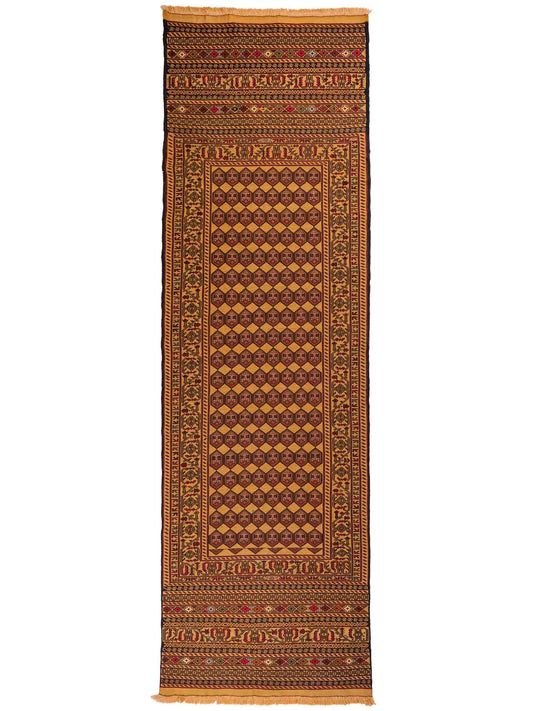
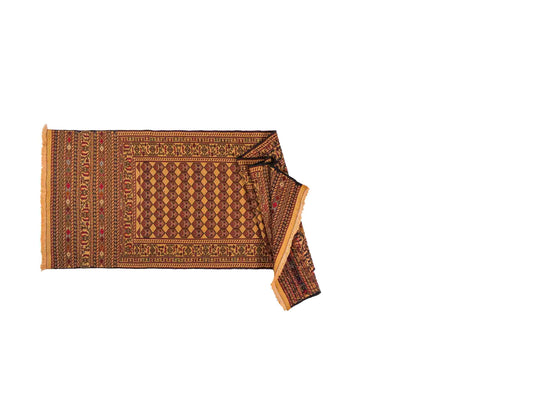
Finely woven nomad rugs, usually in darker shades, with crisp designs and a particularly supple pile. Mauri rugs are made by Turkmen tribes in northern Afghanistan and are renowned for their exquisite knotting and lustrous finish. Discover now!
Kilim Afghan Rugs:
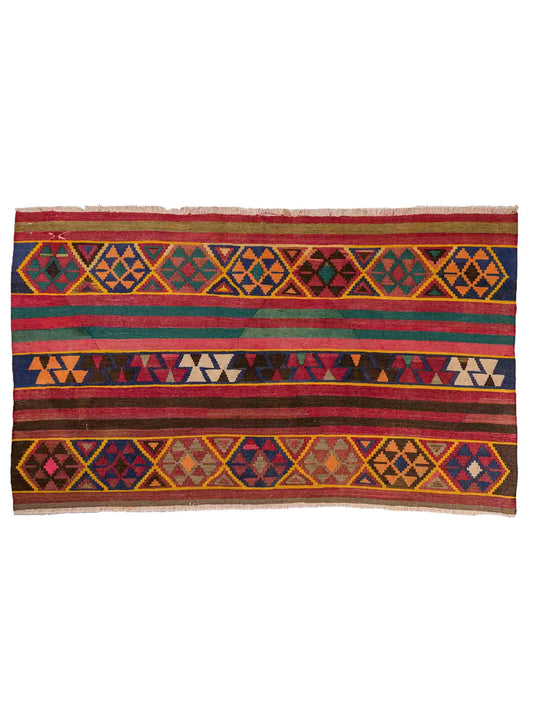
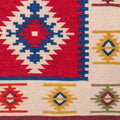
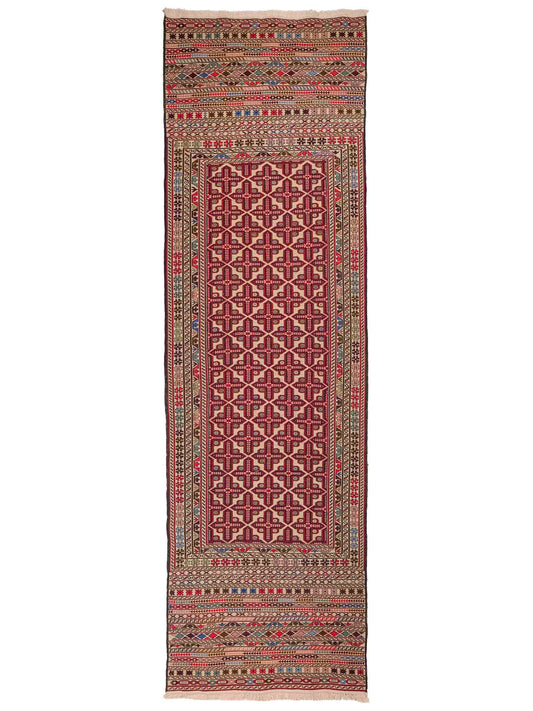
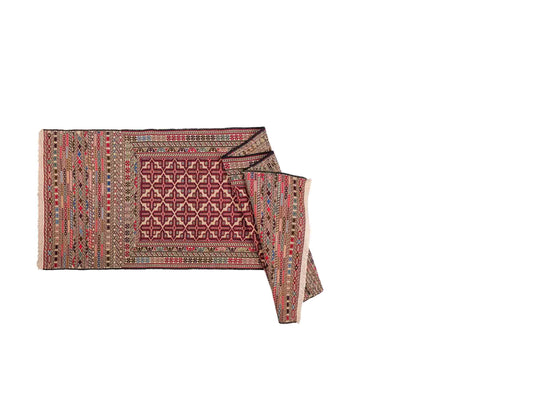
Flat-woven, often reversible and ideal as a statement piece for vintage-inspired interiors—colourful and incredibly versatile. Afghan kilims are made by nomadic groups by hand on traditional horizontal looms, often showing bold stripes or tribal patterns. Discover now!
Kazak Rugs:
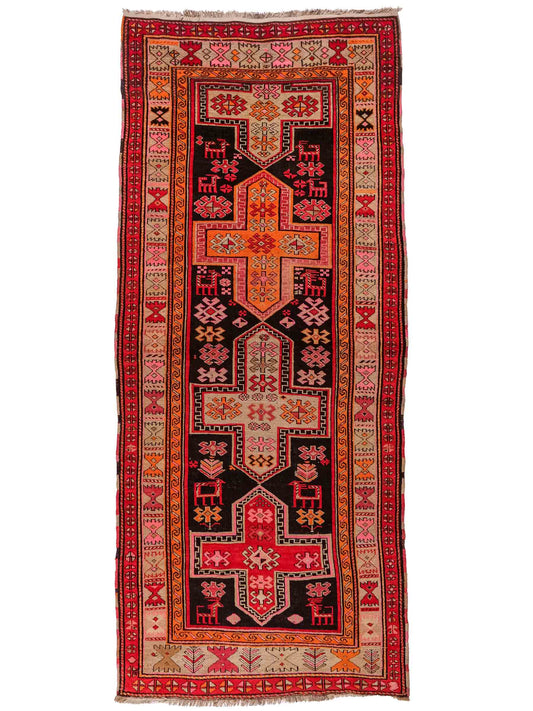
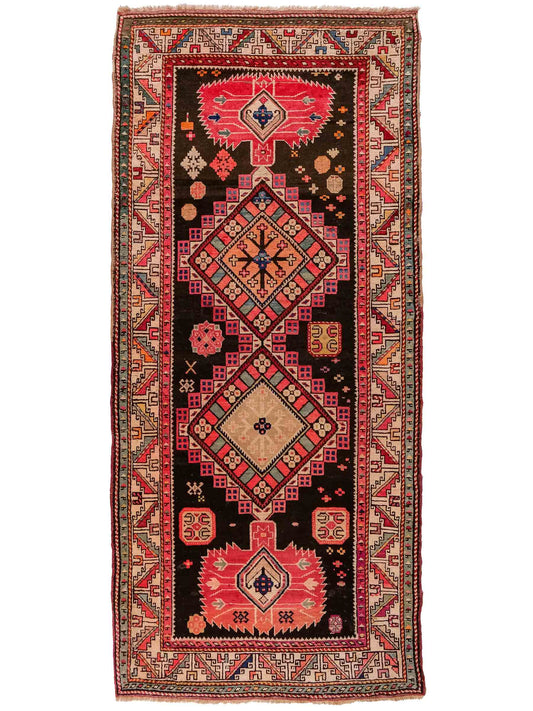
Inspired by the Caucasus—a riot of colour, angular geometry, tribal expressiveness, and exceptional durability. Afghan and Pakistani Kazak rugs echo famed Caucasian designs, but are a bit heavier and use especially intense colours. Discover now!
Design Arijana & Ziegler Rugs:
Modern reinterpretations of classic Afghan motifs in pastel, grey or multicolour—hand-knotted for today’s homes and exclusively at JUPITER Intl. These design rugs are created in limited collections together with local artists, featuring bespoke colours and new forms. Discover now!
Baluch Rugs:
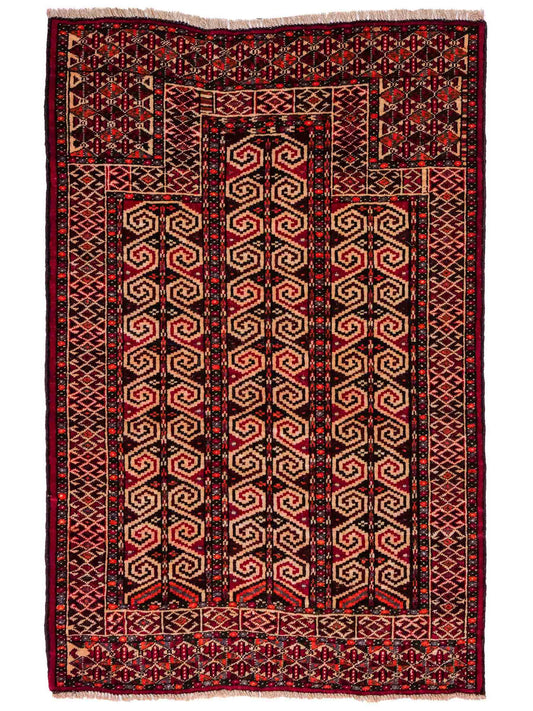
Nomadic rugs from Afghanistan’s borderland, often with religious motifs, symbolic designs, and a notably soft pile. Baluch rugs are woven by Baluchis and related groups close to the Iranian/Turkmen border—much sought after as delicate, often dark, prayer and runner rugs. Discover now!
Turkaman Rugs:
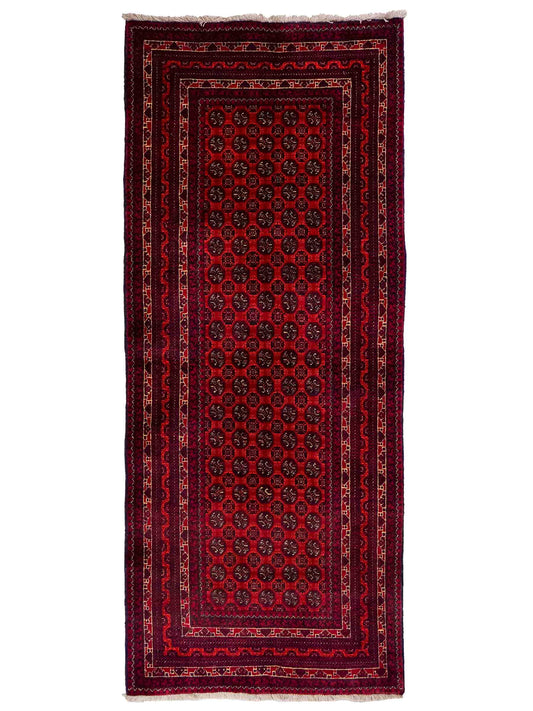
Nomadic rugs characterised by the signature Göl motif and rich red-brown hues; made by Turkmen groups, typically in fine-fiber highland wool. Afghan Turkaman rugs feature time-honoured symbols, repetitive patterns and true nomadic character. Discover now!
Other Provenances:
Afghan rug culture embraces a tremendous spectrum of local traditions, including Ersari, Chub Bash, Kuchi or Shahsavan, each bringing their own motifs and colours. Many of these niche provenances are still made in small, village settings and are prized as global rarities.
Colours, Patterns & Formats
- Colours: Afghan rugs offer a full spectrum of colour moods—from deep violet-red, jet black, ochre and indigo, to gentle ivory and even pastels.
- Designs: Large medallions, geometric Göl motifs, star patterns, plants and tree-of-life motifs, as well as striped kilims or subtle contemporary fields.
- Formats: Rectangle, square, runners, as well as oversized rugs and small accent pieces.
Comparison Table: Afghan Rugs at a Glance
| Provenance / Type | Material | Knot Density | Main Features |
|---|---|---|---|
| Arijana Oriental Rugs | Sheep’s wool | 120,000–350,000 knots/m² | Modern nomadic motifs, natural dyes, robust |
| Ziegler Oriental Rugs | Sheep’s wool | 90,000–400,000 knots/m² | Large floral motifs, antique wash, design classic, practical |
| Khal Mohammadi Oriental Rugs | Sheep’s wool | 120,000–300,000 knots/m² | Deep reds, Göl motifs, highly durable |
| Afghan Mauri Oriental Rugs | Sheep’s wool, occasionally silk | 200,000–350,000 knots/m² | Fine geometrics, dark tones, supple |
| Kazak Oriental Rugs | Sheep’s wool | 90,000–250,000 knots/m² | Vivid colours, geometric designs |
| Kilim Afghan Rugs | Sheep’s wool, cotton | Flatweave | Colourful, often striped and diamond patterns |
| Baluch & Turkaman Nomadic Rugs | Sheep’s wool, sometimes silk | 100,000–200,000 knots/m² | Popular prayer rugs, rich symbolism, authentic nomadic art |
FAQ – Frequently Asked Questions about Afghan Rugs
What distinguishes an authentic Afghan rug from a mass-produced one?
Origin, true handwork, regional motifs and plant-based dyes, and traceable provenance—every Afghan Oriental rug we offer is a carefully selected one-of-a-kind.
How do I care for Afghan rugs?
Vacuum regularly, treat stains promptly (dab—never rub), avoid aggressive or chemical cleaners. Flatweaves such as kilims should be rotated regularly. Discover more about carpet care.
Are Afghan rugs robust enough for busy spaces?
Absolutely—the dense pile and premium wool last for decades. Especially Khal Mohammadi and Kazak rugs are perfectly suited for day-to-day family use.
Are there modern Afghan rug designs?
Yes! Our Design Arijana and Ziegler collections feature classic motifs in new colours and a minimalist look—ideal for contemporary living.
Are Afghan rugs suitable for allergy sufferers?
Fine sheep’s wool and natural dyes are hypoallergenic and trap less dust—with regular care.
Quality Promise: Authenticity & Service by JUPITER Intl
- Every Afghan rug we offer is a verified original, selected for workmanship, authenticity, and condition
- Transparent provenance: all handmade rugs are supplied with a certificate of authenticity
- Fair prices directly from Khademi—no middlemen or misleading “retail prices”
- Personal advice on provenance, size, materials, investment, and design
- Secure payment, 31-day return policy & free returns for your complete satisfaction
Personal Consultation at JUPITER Intl
Looking for the perfect Afghan rug, a special format, or a unique colour and design? Our experienced team is happy to support you – from expert style advice to sourcing exceptional pieces. Contact us by phone or email, or combine your visit with a trip to our showroom in Hamburg’s historic Speicherstadt—part of the city’s UNESCO World Heritage Site—where you can experience history and tradition first-hand!
More Information & Links
- Design Classic: Afghan Rugs
- Design Classic: Arijana Rugs
- Design Classic: Baluch Rugs
- Design Classic: Kilim Rugs
- Design Classic: Turkaman Rugs
- Design Classic: Ziegler Rugs
- Countries of Origin: Afghanistan – Hand-knotted Stories
- Carpet Guide: How Do I Properly Care for Hand-Knotted Rugs?
- Carpet Guide: What to Consider When Choosing Rug Size
- Carpet Guide: How to Identify Hand-Knotted Rugs
- Carpet Guide: How to Calculate the Knot Density of a Rug
- Carpet Guide: What’s the Difference Between Rug Knot Types?
- Carpet Guide: How Sustainable Are Hand-Knotted Rugs?
- Carpet Guide: Are Hand-Knotted Rugs a Good Investment?
- Certificate of Authenticity: Your Guarantee for Quality and Authenticity